
Your cart
There are no more items in your cart
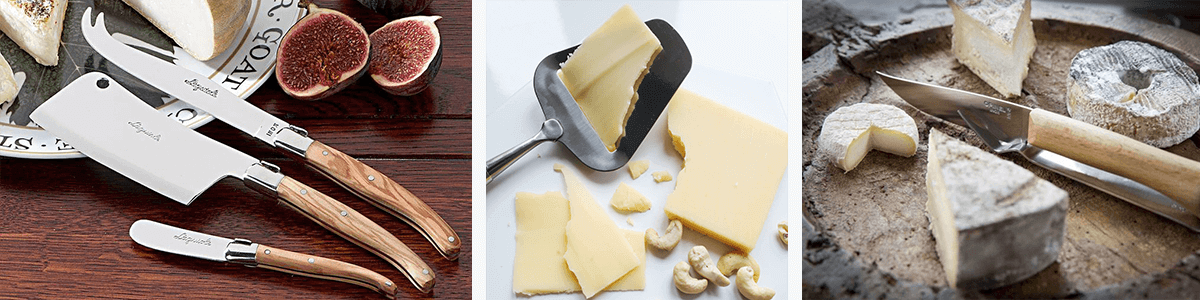
Choosing your cheese knife
Cheese is part of French culture. It can be found on every table, on every occasion. It's served after the main course. Quite often, even after dessert! We finish with cheese! Accompanied by a green salad and a crusty baguette, it's the guilty pleasure of every self-respecting Frenchman! Cheeses come in all shapes and sizes: hard cheeses like Comté, soft cheeses like Camembert, crumbly cheeses like Parmesan or runny cheeses like Mont d'Or. In order to avoid damaging the cheese and produce nice, clean slices, you'll need a specific knife for each one! The right blade for every rind!
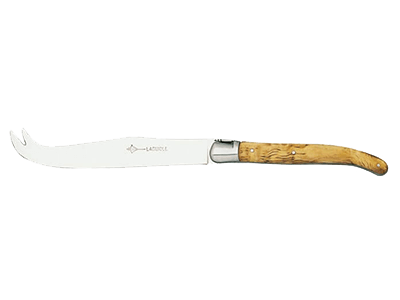 The two-pronged cheese knife
The most traditional and undoubtedly the most widely used in French households, the two-pronged (or double-bladed) cheese knife, as its name suggests, has a double blade at its slightly rounded end. Its fine blade will limit the amount of dough adhering to the blade. Its major asset is the double tip, which enables the cheese to be served once cut. This knife is suitable for a wide variety of cheeses, mainly soft and semi-hard.
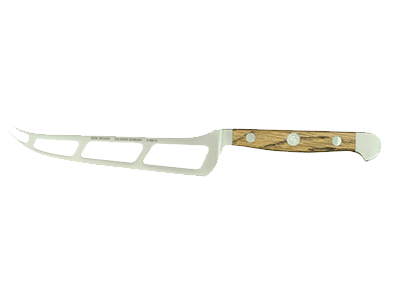 The open-blade cheese knife
The open-blade cheese knife is very similar to the two-pronged cheese knife (which also often has a double blade at the end), with the difference that its blade is open-worked, i.e. it has holes of varying size. This is the ideal cheese knife for runny cheeses such as Brie de Meaux, Saint-Félicien or well-aged Camembert! The blade has less surface contact with the cheese, so it won't stick to the knife. To top it all off, this special feature gives it an ultra-design look!
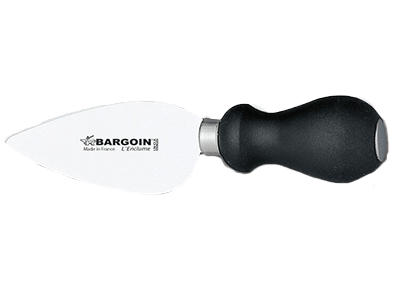 The Parmesan knife
We've all seen this little knife with its almond-shaped blade in a cheese set, without ever knowing what it was intended for. Well, this knife is for cutting parmesan! Also known as a ciselet, the parmesan knife can also be used to cut other hard, crumbly cheeses such as mimolette or old Comté! It's also used to split wheels of cheese in half. System D: if you don't have one of these, an oyster knife will work just as well, as the shape of its blade is similar!
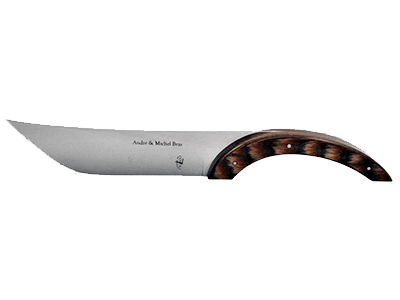 Roquefort knife
This little-known cheese knife is so useful for fans of blue cheese! By blue, of course, we also mean roquefort! This cheese, so appreciated by the French for its pronounced flavor, has a crumbly, moist paste. As a result, it tends to stick to the blade of a knife. Also known as a "revirer" knife, the roquefort knife has a long, pointed, curved blade that enables it to cut crumbly, moist cheeses more cleanly. For the record, it was once used by the Cabanières, who packed the cheese, to remove the deposits that formed on the cheeses during ripening!
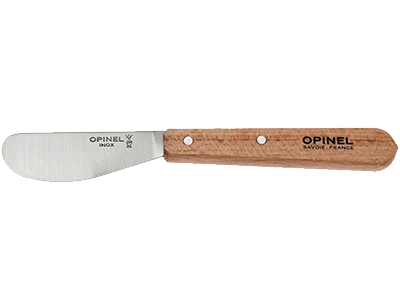 The butter knife
This mini-sized knife is mainly used for spreading butter on toast in the morning! But that's not all! You can use it to spread anything you like: creamy cheeses such as fresh goat's cheese, or melting cheeses such as the famous cheese so beloved by children, whose logo is a smiling red cow! The blade of the butter knife (or spreader knife) doesn't cut, so it's safe for children and the clumsy!
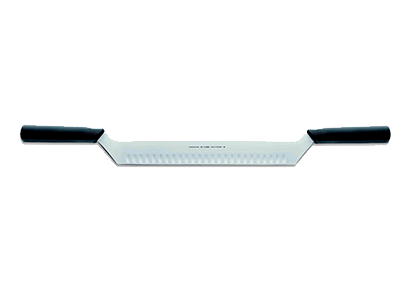 The double-handled cheese knife
The double-handled cheese knife is mainly used by professionals to slice wheels of cheese. At home, you can use it for portioning or straight slicing of hard-rind cheeses such as tomme ! Place your hands on either side of the blade on each handle and rock back and forth. The advantage of this knife is that it protects your fingers! It's also perfect for slicing pizzas and tarts!
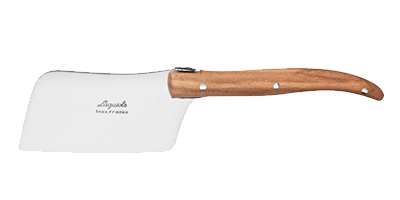 Cheese cleaver
With its axe-like blade, the cheese cleaver is ideal for slicing hard cheeses such as Beaufort or Comté! It's also ideal for removing the rind from cheese.
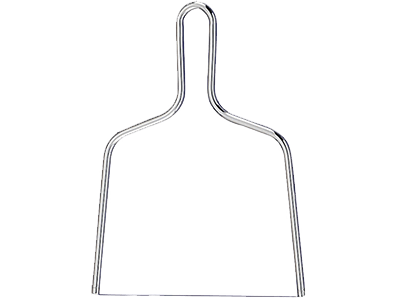 Cheese lyre
You'd think it was a musical instrument, but no! The cheese lyre is actually an accessory for cutting cheese! Made of ultra-sharp wire, you simply place it on the top of the cheese and work your way down to the bottom. The result is a precise cut! The cheese lyre is ideal for fragile soft or semi-hard cheeses such as bûche de chèvre oremmental. The cheese lyre can also be used to cut foie gras or raclette cheese!
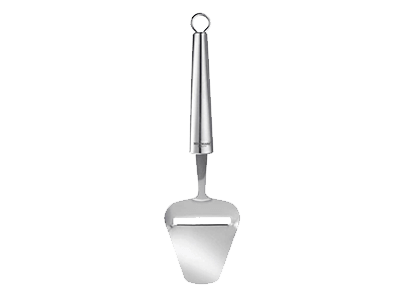 The cheese scraper
The cheese scraper is a little like the cheese lyre in its usefulness. It takes the form of a spatula with an opening that has a sharp edge. The cheese scraper enables you to make fine cheese shavings to decorate your dishes. All you have to do is tilt the scraper slightly towards the part of the cheese you want to cut, then scrape! As you can see, this accessory can only be used on (very) hard cheeses such as Parmesan, Cantal or Comté
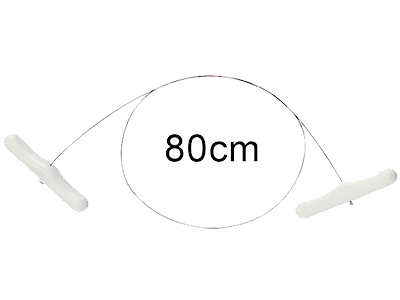 Cheese wire
Cheese-cutting wires are only used in professional settings, such as competitions, to cut huge wheels of cheese. However, there's nothing to stop you from buying one, but we're not going to lie to you: you'll need a bit of practice before you'll be able to make nice, clean slices from your wheel of cheese!
Of course, if you don't already have one of these cheese knives in your kitchen, you can always use a good old-fashionedkitchen knife with a smooth or serrated blade !
There are also cheese trays with a wire for slicing cheese, or a set of 3 or 4 mini cheese knives. An original and useful gift idea! If you don't have a cheese board, use a chopping board as a pretty way to present your cheese at the table! Finally, don't forget to accompany your assortment of cheeses with bread: baguette, nut bread, cereal bread... Anything goes!
See all our cheese knives!


