Fukito KITCHEN Knives: Where Performance Meets Character

Fukito KITCHEN Knives: Where Performance Meets Character

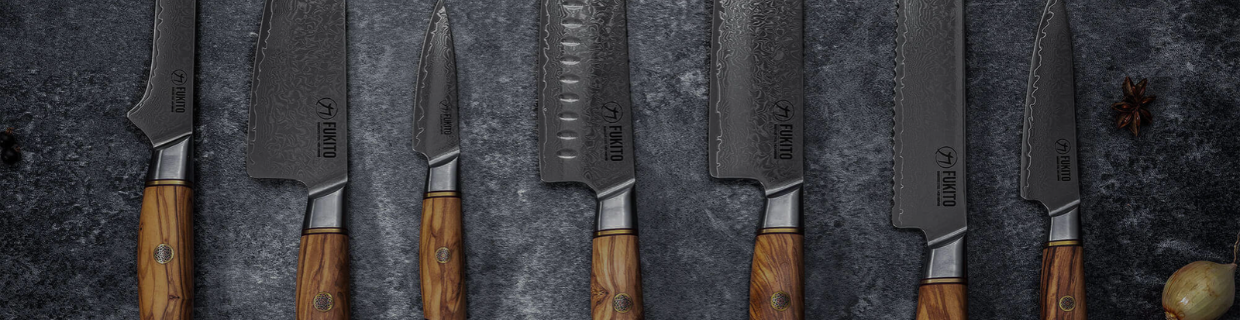
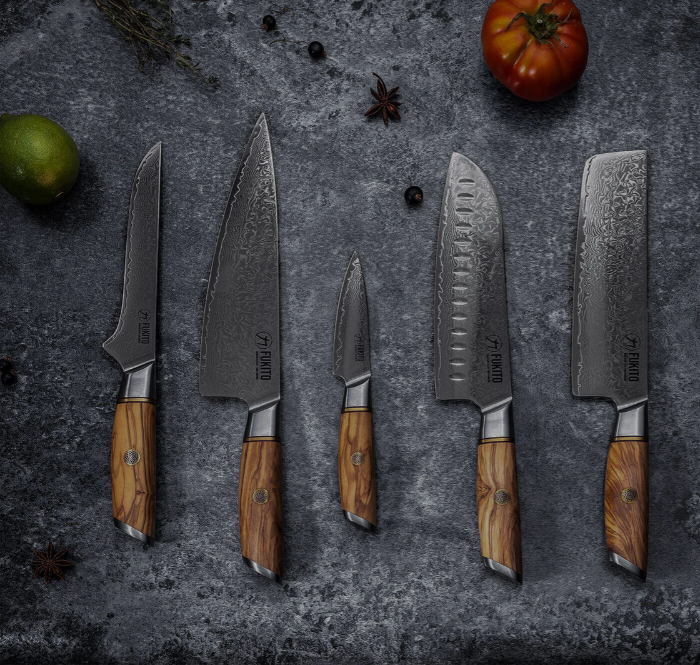
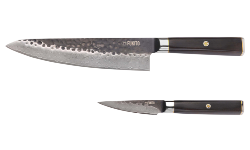
Explore a diverse collection of kitchen knives combining quality steels, Damascus and San Mai constructions, natural wood handles and carefully crafted finishes :

Designed to deliver reliable cutting performance with a distinctive style.

Explore a diverse collection of kitchen knives combining quality steels, Damascus and San Mai constructions, natural wood handles and carefully crafted finishes : designed to deliver reliable cutting performance with a distinctive style.

WHY CHOOSE fukito KNIVES?

BLADES WITH REAL CHARACTER

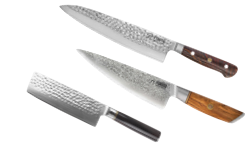
Damascus, San Mai and hammered blades

Fukito pays just as much attention to the performance of its blades as to their appearance, with a variety of constructions, textures and finishes across the different ranges.
MATERIALS THAT MAKE THE DIFFERENCE

Ebony, olive wood, rosewood and refined details

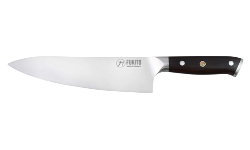
Natural woods, mosaic pins, polished bolsters and carefully finished metal details give Fukito knives a distinctive and immediately recognisable look.
PERFORMANCE AT AN ACCESSIBLE PRICE

From X50 and VG10 to high-performance powder steels 

Fukito offers a broad range of knives, from easy-to-maintain everyday models to more technical, high-performance blades, while remaining attractively priced.

BLADES WITH REAL CHARACTER

Damascus, San Mai and hammered blades

Fukito pays just as much attention to the performance of its blades as to their appearance, with a variety of constructions, textures and finishes across the different ranges.

MATERIALS THAT MAKE THE DIFFERENCE

Ebony, olive wood, rosewood and refined details

Natural woods, mosaic pins, polished bolsters and carefully finished metal details give Fukito knives a distinctive and immediately recognisable look.

PERFORMANCE AT AN ACCESSIBLE PRICE

From X50 and VG10 to high-performance powder steels 

Fukito offers a broad range of knives, from easy-to-maintain everyday models to more technical, high-performance blades, while remaining attractively priced.

All our fukito knife ranges

All our fukito knife models

Fukito Pakka San Mai: Technical Performance for Everyday Cooking

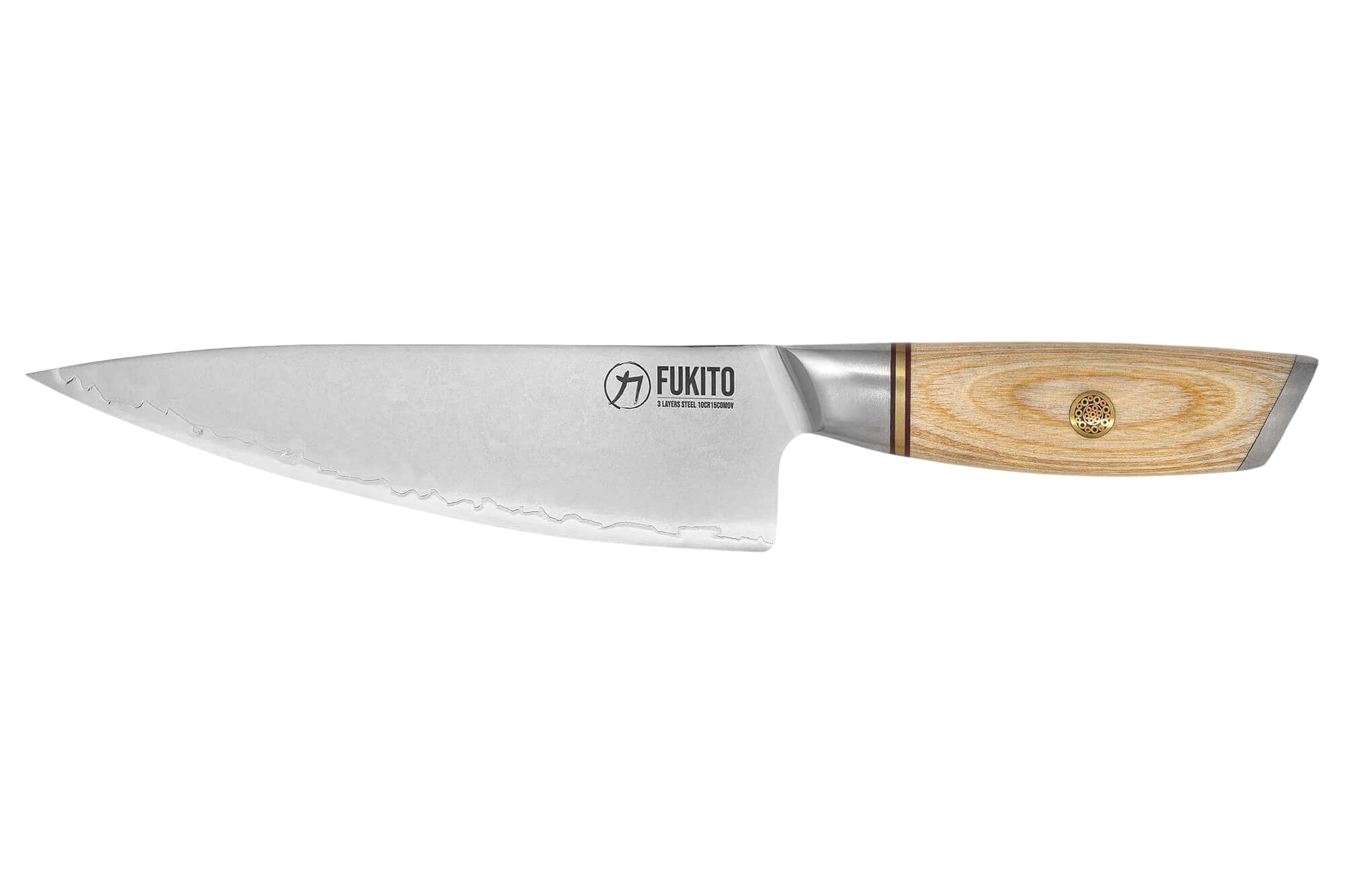
The Fukito Pakka San Mai range combines a 10Cr15CoMoV stainless steel core with a traditional San Mai three-layer construction, offering a precise and durable cutting edge with a hardness of around 60 HRC. The blades are paired with elegant white Pakkawood handles, polished stainless steel details and decorative mosaic rivets, creating knives that are both technical and refined. A versatile collection designed for cooks looking for reliable performance and distinctive styling in everyday use.

Fukito Ebony X50: Elegance, Durability and Easy Maintenance

Designed for regular everyday use, the Fukito Ebony X50 range features X50CrMoV15 stainless steel blades, renowned for their balance of corrosion resistance, toughness and ease of sharpening. With a hardness of around 58 HRC, these knives provide dependable cutting performance without demanding complicated maintenance. Their genuine ebony wood handles, polished bolsters, stainless steel end caps and mosaic rivets add a sophisticated finish to this practical and accessible range.

Fukito Ebony Damascus VG10: Refined Damascus Blades with a Japanese Steel Core

The Fukito Ebony Damascus VG10 collection combines performance with striking design. Each blade features a VG10 Japanese steel core surrounded by 66 layers of stainless steel, creating a 67-layer Damascus structure with a hardness of around 60 HRC. The hammered and rough-forged finish gives the blades even more character, while the hexagonal ebony handles, mosaic rivets and gold-edged stainless steel details complete their refined appearance. A distinctive range for cooks who want both cutting performance and premium aesthetics.

Fukito Rosewood Damascus: Characterful Damascus Knives with Natural Wood Handles

The Fukito Rosewood Damascus range brings together 67-layer Damascus blades, a 10Cr15CoMoV stainless steel core and natural rosewood handles for an elegant yet distinctive result. Reaching around 60 HRC, the blades provide excellent edge retention for everyday cutting, while their hammered finish adds texture and visual character. Full-tang construction, triple rivets and a decorative mosaic pin complete a range designed to combine balance, durability and warm natural materials.

Fukito KNIVES - FAQ

Still unsure which Fukito knife is the best for you? Here are answers to the most common questions.

Where are Fukito knives made?

Fukito knives are made in China, in Guangdong province, a region with extensive expertise in knife and blade manufacturing. Depending on the range, Fukito uses different steels and constructions, including X50CrMoV15, 10Cr15CoMoV and Japanese VG10 steel. The brand focuses on combining reliable cutting performance, carefully finished handles and distinctive blade designs at accessible prices.

Which Fukito knife range should I choose?

The best Fukito range depends on your cooking habits and the level of performance you are looking for. Ebony X50 is ideal for everyday use thanks to its durable and easy-to-maintain X50CrMoV15 steel. Pakka San Mai offers a harder 10Cr15CoMoV cutting core and a three-layer San Mai construction. For a more refined Damascus knife, Rosewood Damascus combines a 10Cr15CoMoV core with natural wood handles, while Ebony Damascus VG10 is an excellent choice for those looking for Japanese VG10 steel, a 67-layer Damascus blade and a more sophisticated finish.

What steels are used in Fukito knives?

Fukito uses several different steels depending on the range and the level of performance required. X50CrMoV15 stainless steel is used for durable, easy-to-maintain everyday knives, while 10Cr15CoMoV offers greater hardness and improved edge retention in ranges such as Pakka San Mai and Rosewood Damascus. Some collections also use Japanese VG10 steel, known for its fine cutting edge, corrosion resistance and good edge retention. Fukito also offers more technical powder steels on selected premium ranges, allowing the brand to cover everything from accessible everyday knives to high-performance blades.

What is the difference between Fukito Damascus and San Mai knives?

The difference mainly lies in the construction of the blade. Fukito Damascus knives feature a hard cutting core surrounded by multiple layers of steel, creating the characteristic wavy pattern visible on the blade. A San Mai blade uses a three-layer construction: a hard central steel core is protected between two softer outer layers. Both constructions are designed to combine cutting performance and durability, but Damascus also places greater emphasis on the visual appearance of the blade.

How should I care for and sharpen a Fukito knife?

To keep your Fukito knife in good condition, wash it by hand after use and dry it immediately. Avoid the dishwasher, prolonged soaking and abrasive cleaning products, particularly on knives fitted with natural wood handles. Use a wooden or synthetic cutting board rather than hard surfaces such as glass or stone. For sharpening, a sharpening stone is an excellent option for maintaining a precise cutting edge, while regular light maintenance will help prevent the blade from becoming excessively dull.

Product added to wishlist