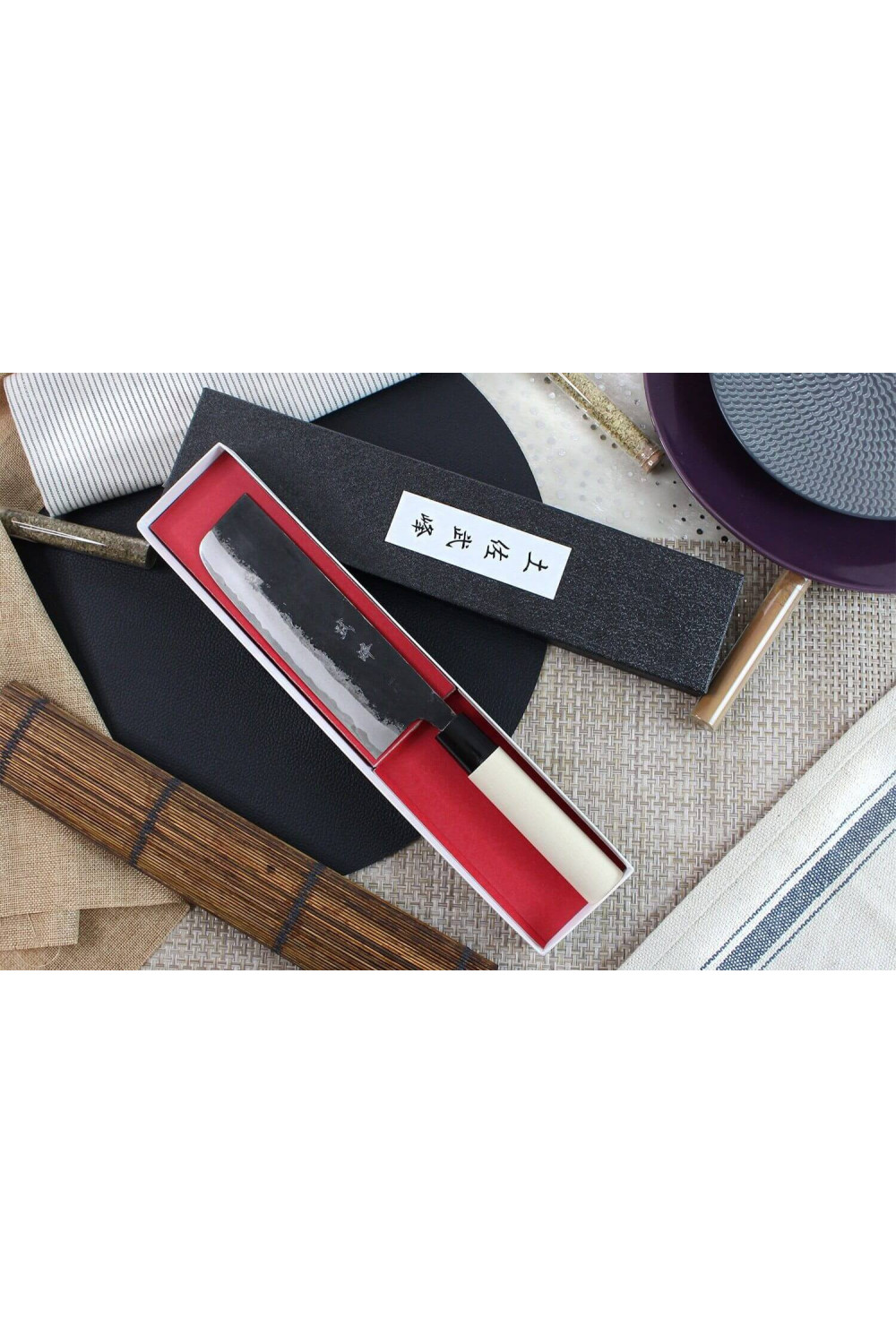
This knife is made by Takeo Murata, a renowned Japanese blacksmith who has been at work for over 50 years. His workshop is located in Kochi on the Japanese island of Shikoku, and he is touted as the best craftsman in the area. He apprenticed with his uncle, Tokaiji, who was also highly regarded in his day. He learns traditional forging techniques, passed down between the various members of the family, whose talent goes back several centuries (to the time of the Samurai Katana, whose reputation is well established).
Murata san works solely by the light of a 40-watt bulb, which enables him to discern the color of the steel to determine whether it is at the right temperature for beating. That's how sharp this blacksmith's eye is! Murata has received several awards for his work, which is appreciated both in Japan and abroad.
In addition to his considerable know-how, inherited from hard, diligent work since the age of 16, Takeo Murata san uses materials renowned for their quality, to design kitchen knives worthy of the name.
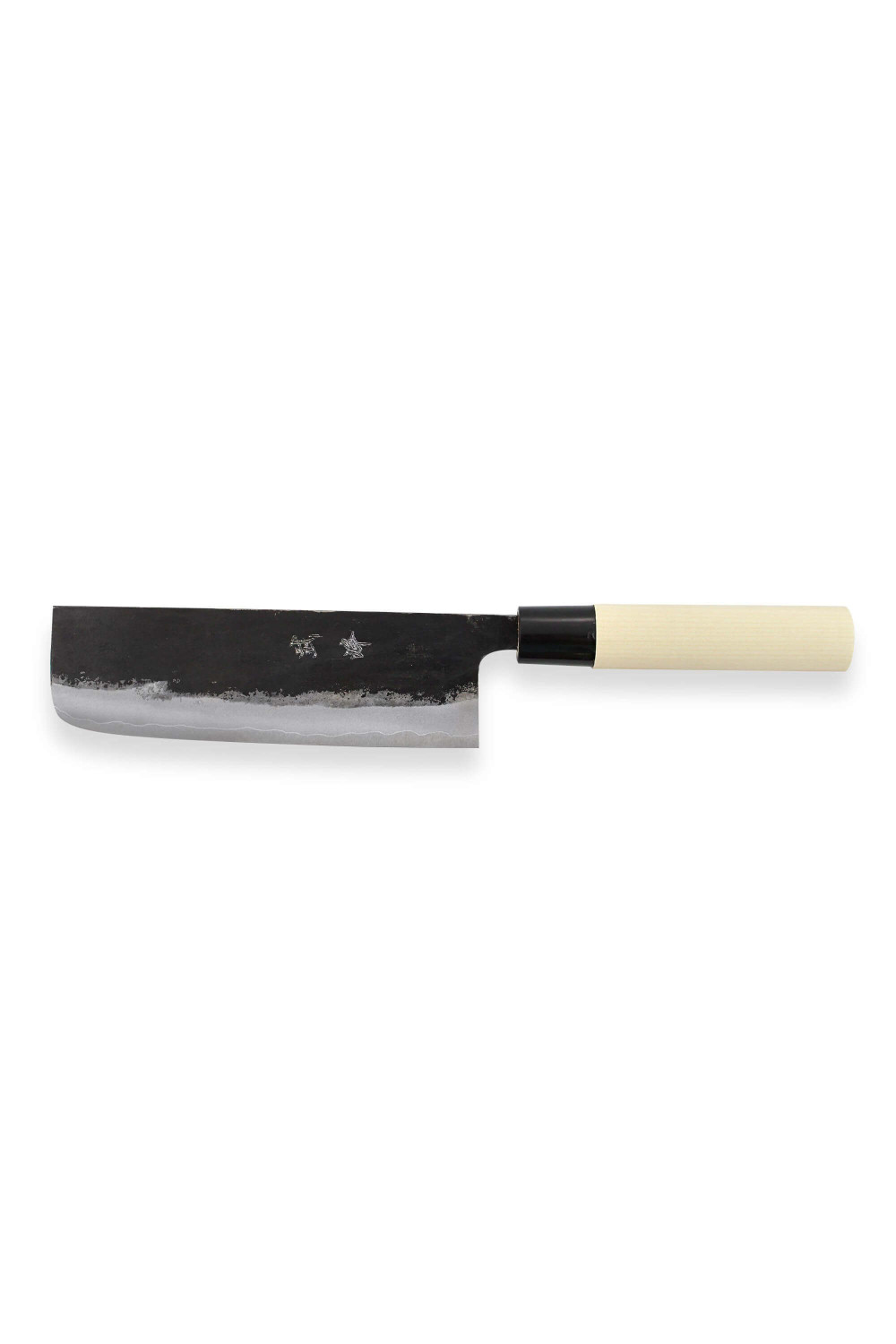
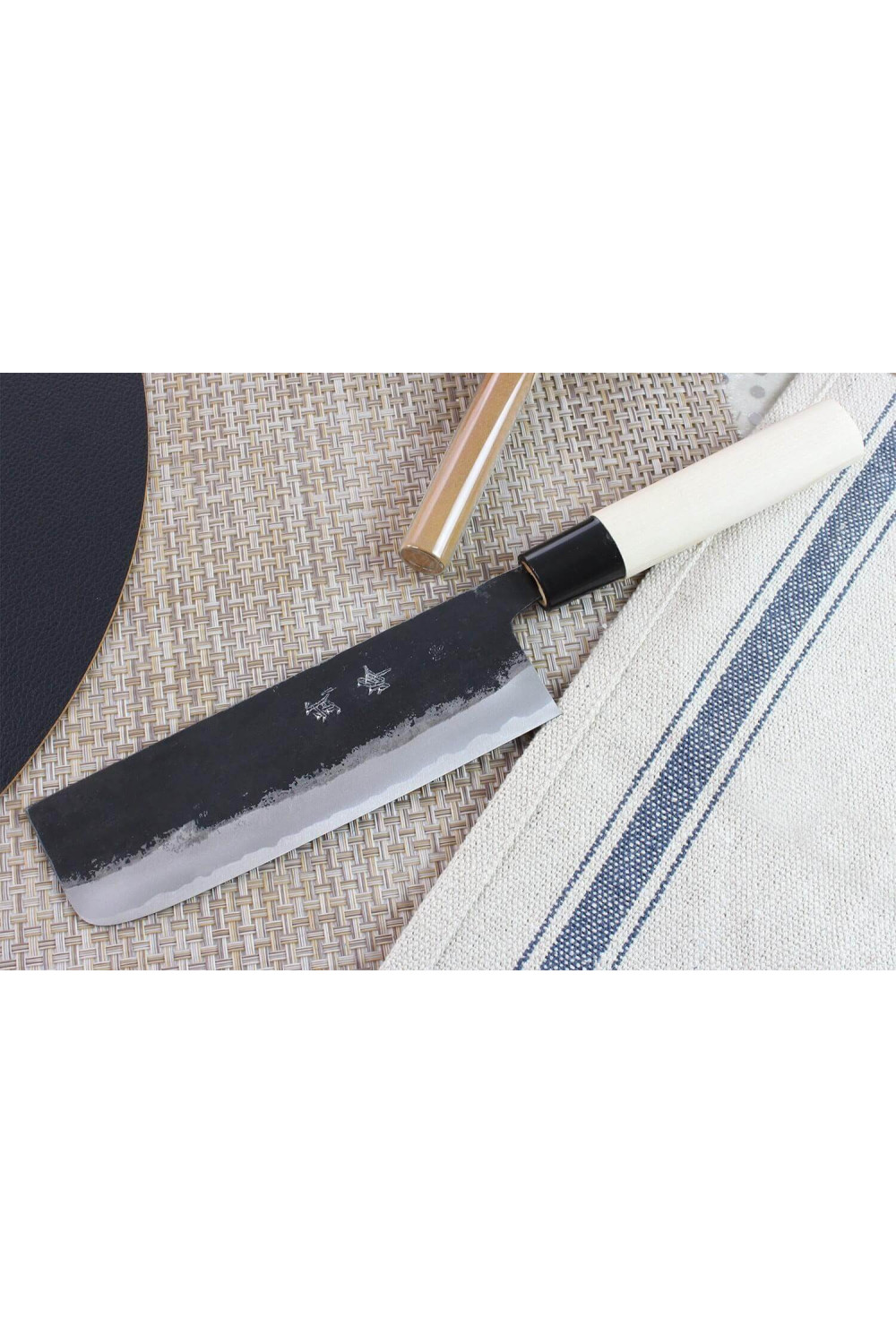
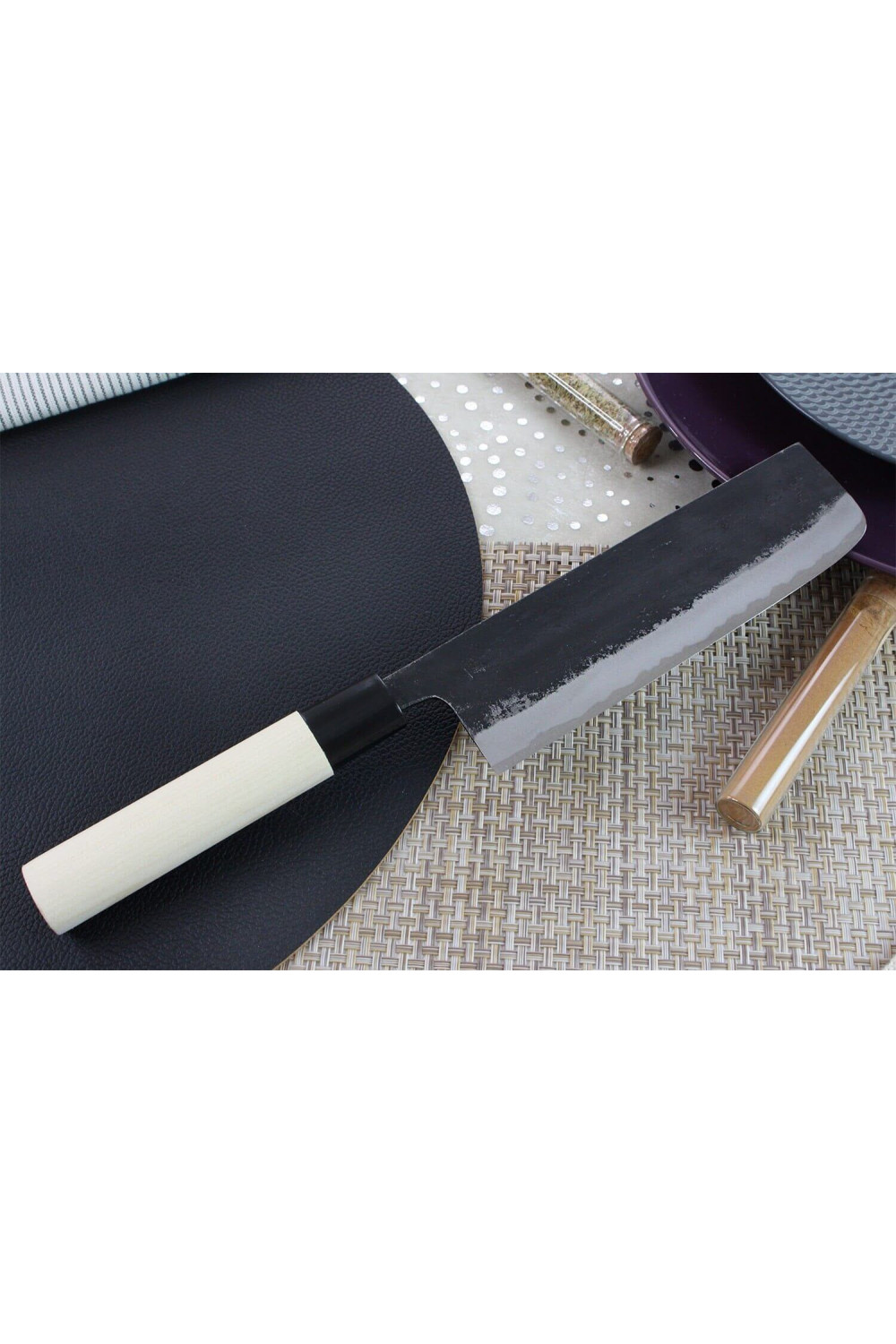
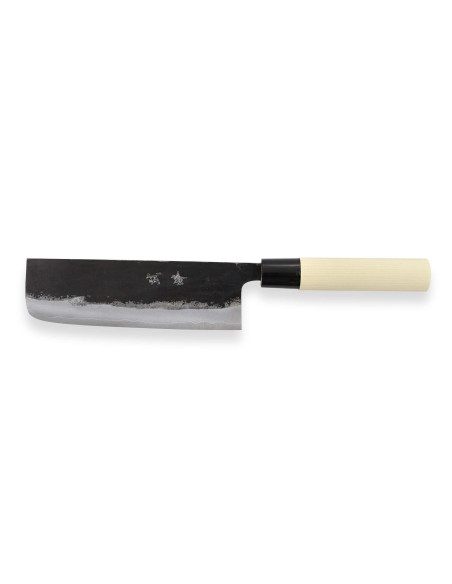
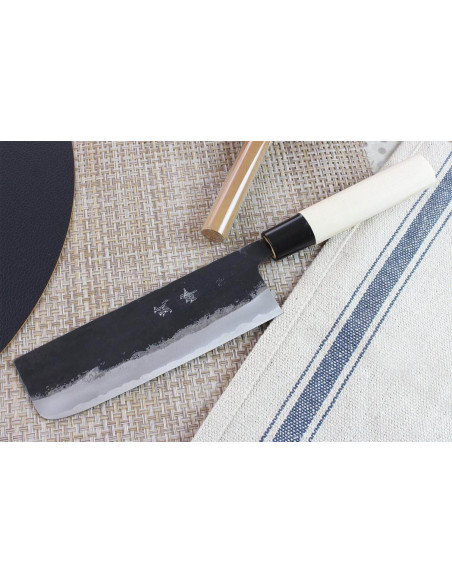
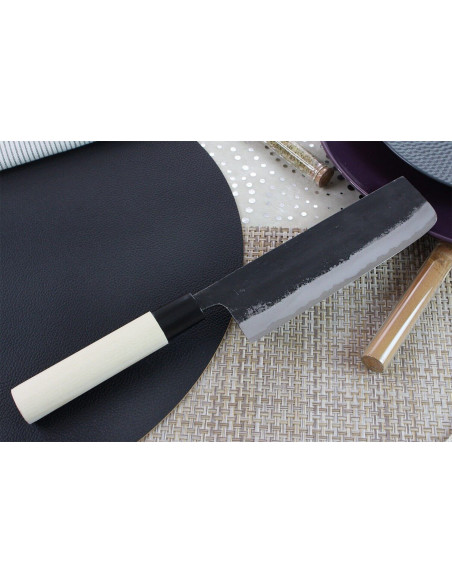
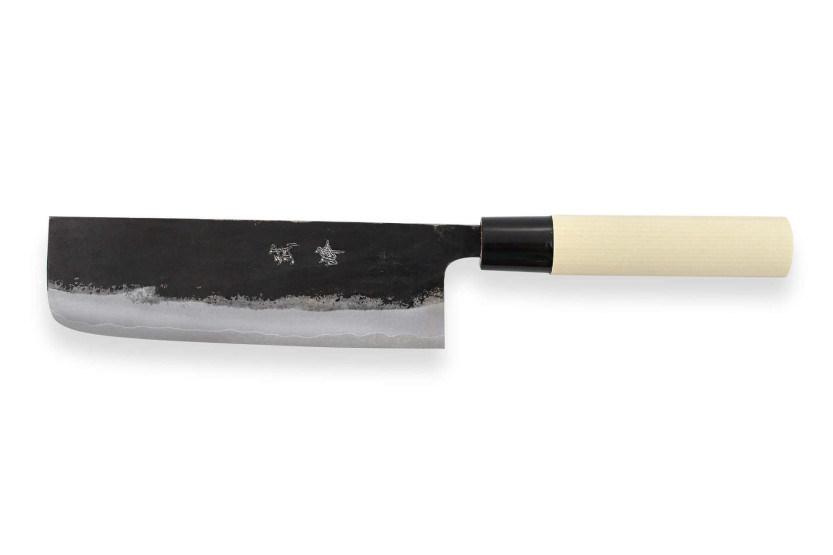
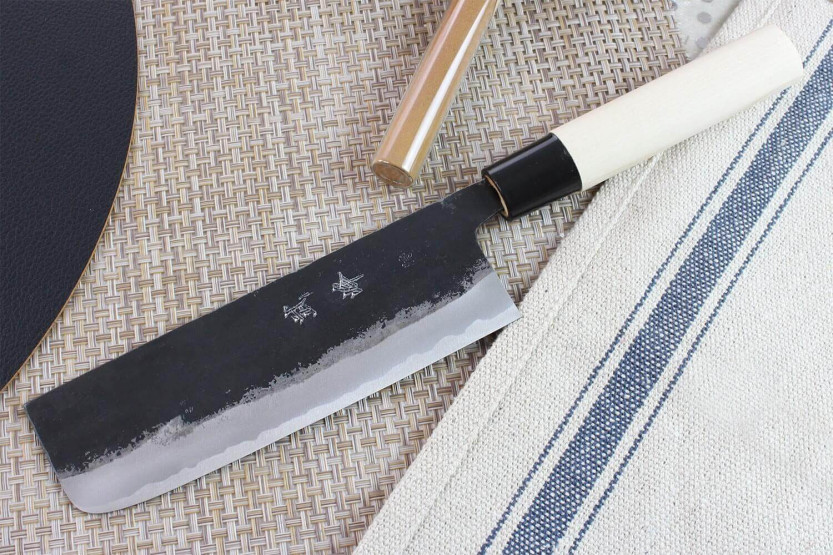
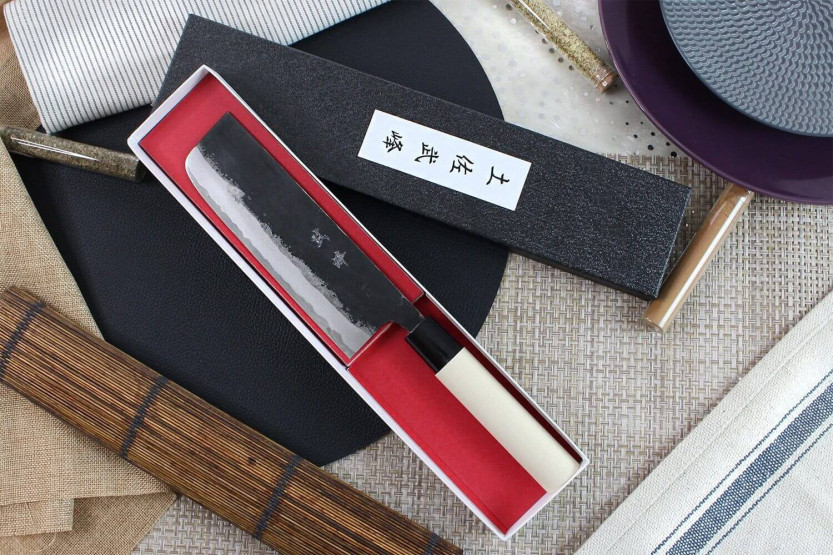
This Nakiri 16.5cm knife features a San Mai blade, i.e. it is built on 3 superimposed layers of steel (a rigid core covered by a layer of iron). The core is made of Japanese Aogami #1 steel, a benchmark in cutlery. This is a hard-to-work alloy, reserved for the most skilled blacksmiths. This alloy contains between 1.2 and 1.4% carbon, giving it a very rigid edge that holds its sharpness for a long time, while remaining easy to sharpen using a whetstone. In fact, carbon stiffens the alloy, and the cutting edge of a rigid alloy does not deform easily. In fact, it achieves a hardness of between 62 and 64 HRC. This means fewer sharpening sessions.
The alloy also contains tungsten and chromium, to prevent it from being too brittle (due to this famous rigidity) and too sensitive to oxidation (carbon being an oxidizable material).
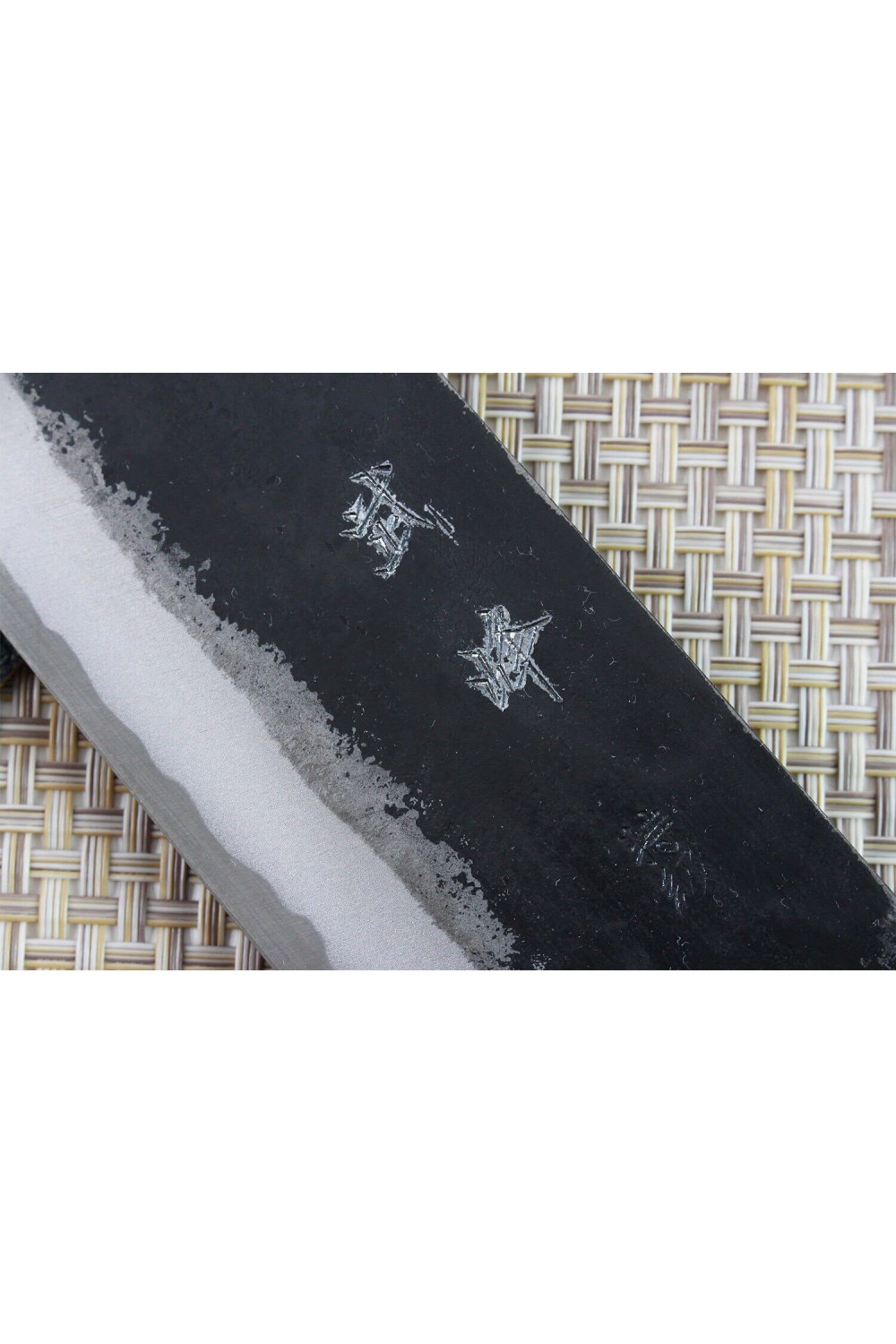
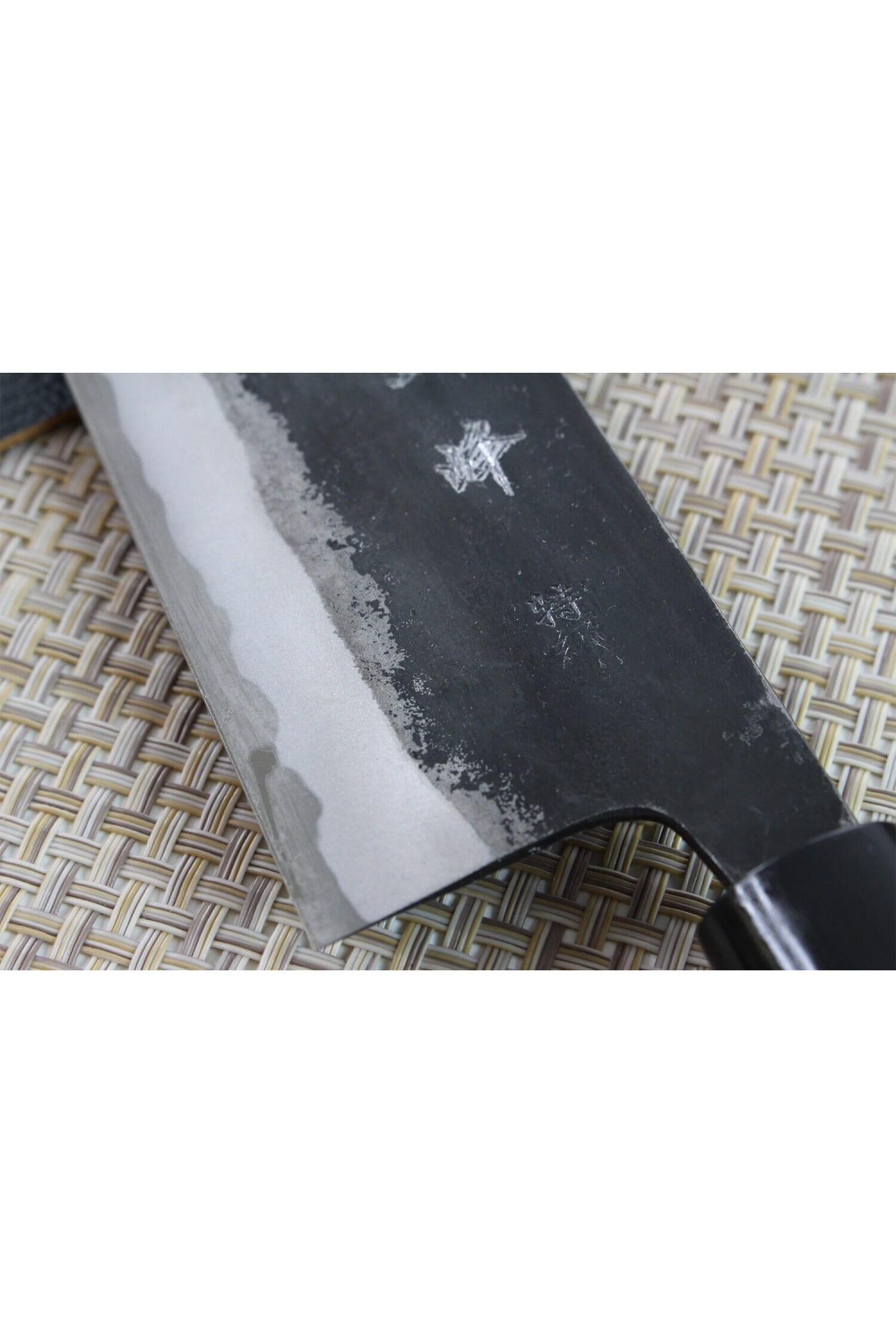
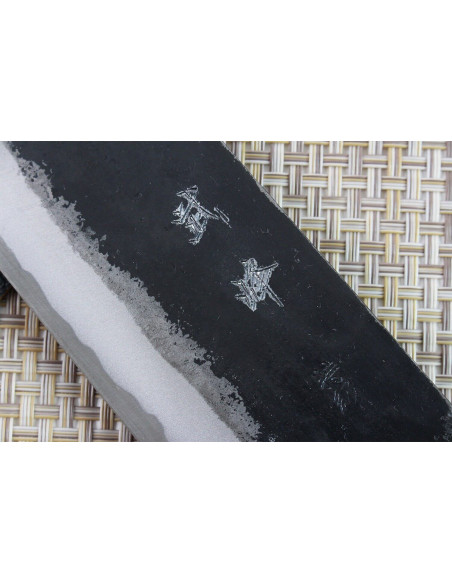
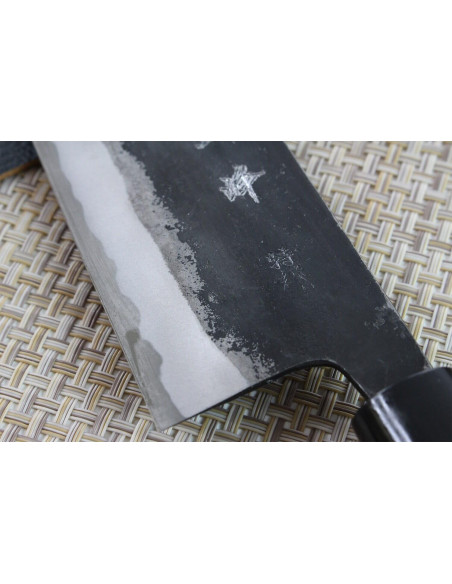
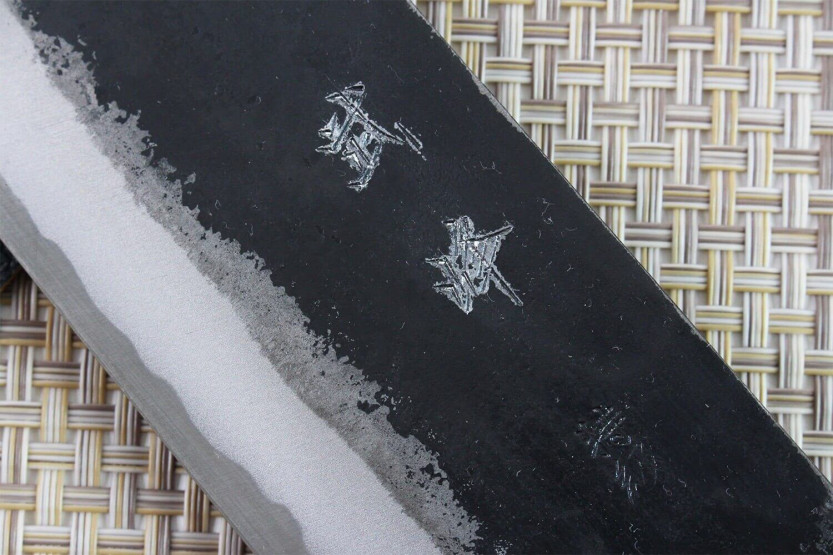
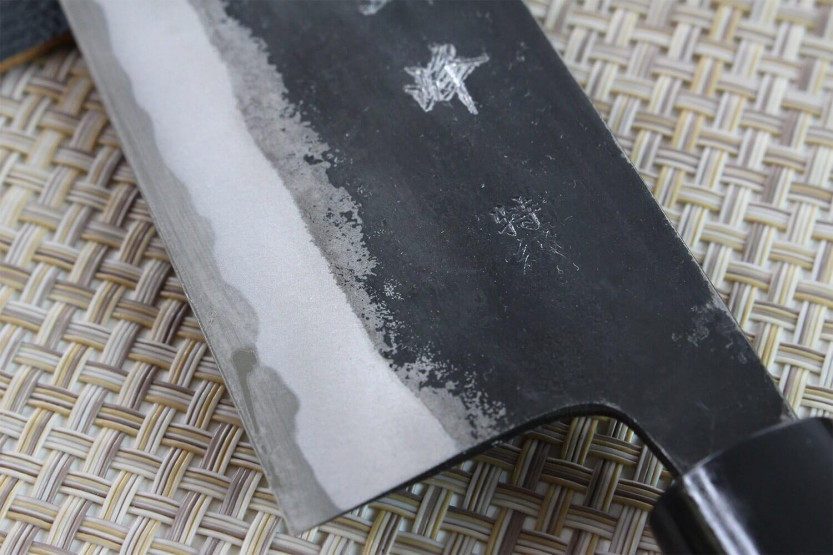
A layer of iron is then wrapped around this high-end core. The mix of steels can be seen on the bottom of the blade, with the differences in grades and the metallic wave visible near the cutting edge.
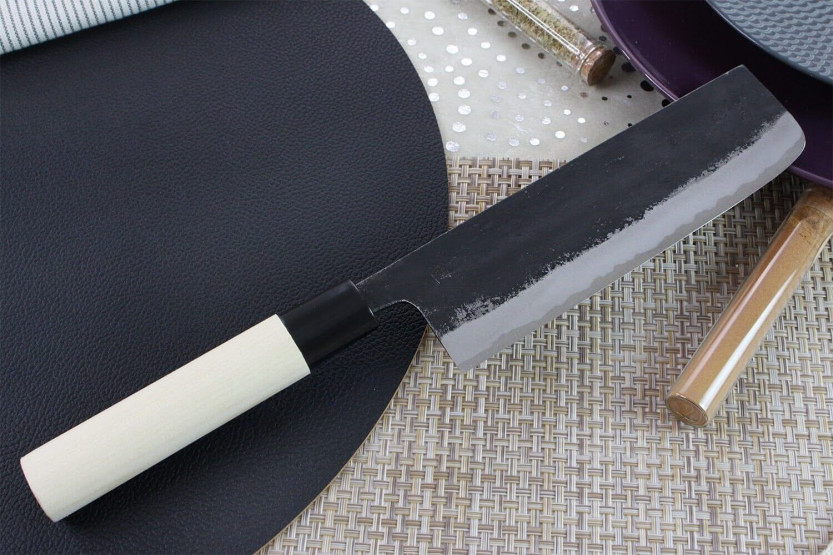
The blade's finish is called brute de forge (you can tell by its dark, rustic appearance). Unpolished, this type of blade is often handcrafted, and is highly appreciated by chefs in Japan for its traditional feel.
The Kanji visible on the blade stand for "Made by Buho", Buho being the artisan name chosen by Murata san. This addsauthenticity to the knife, while giving it a very traditional look.
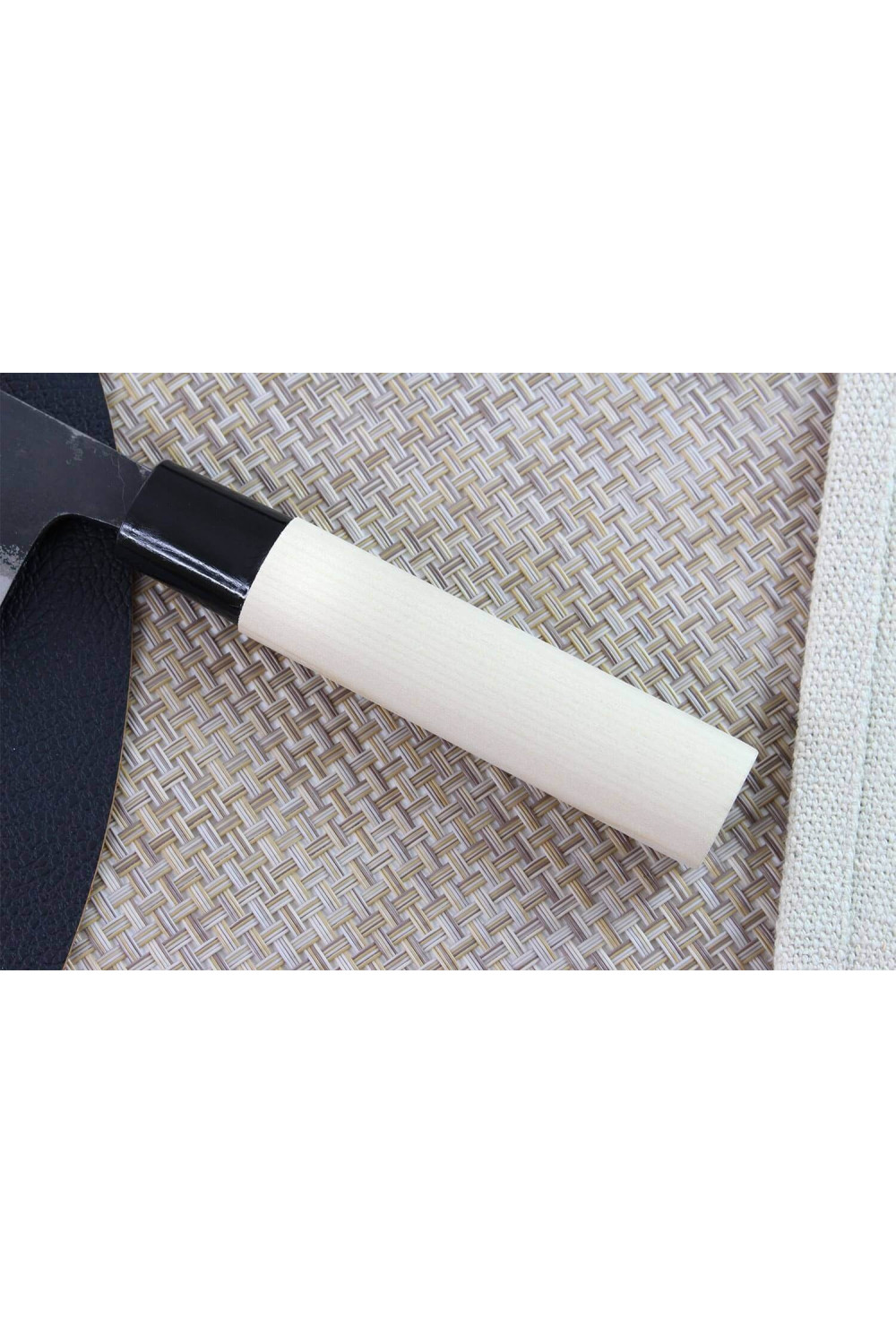
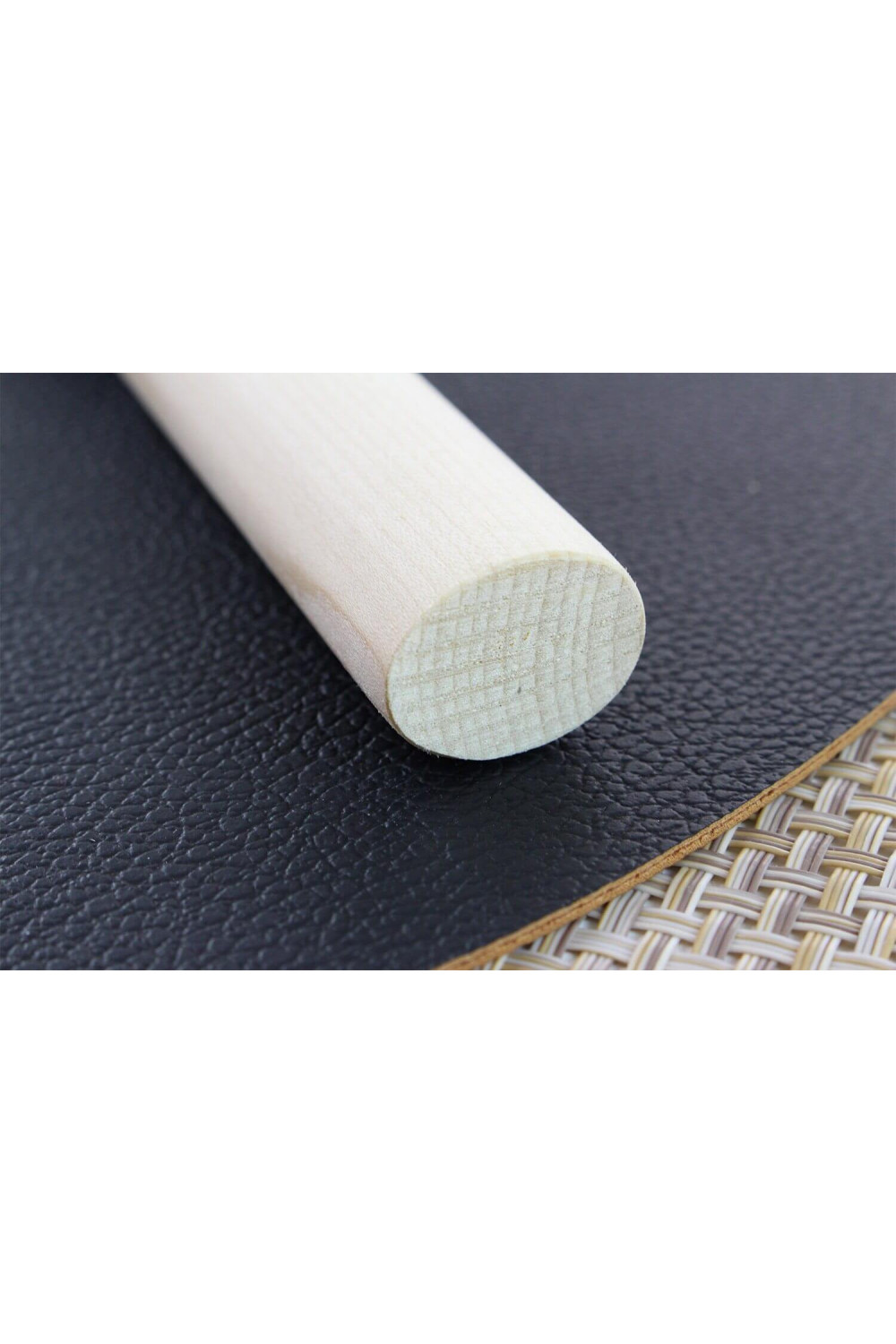
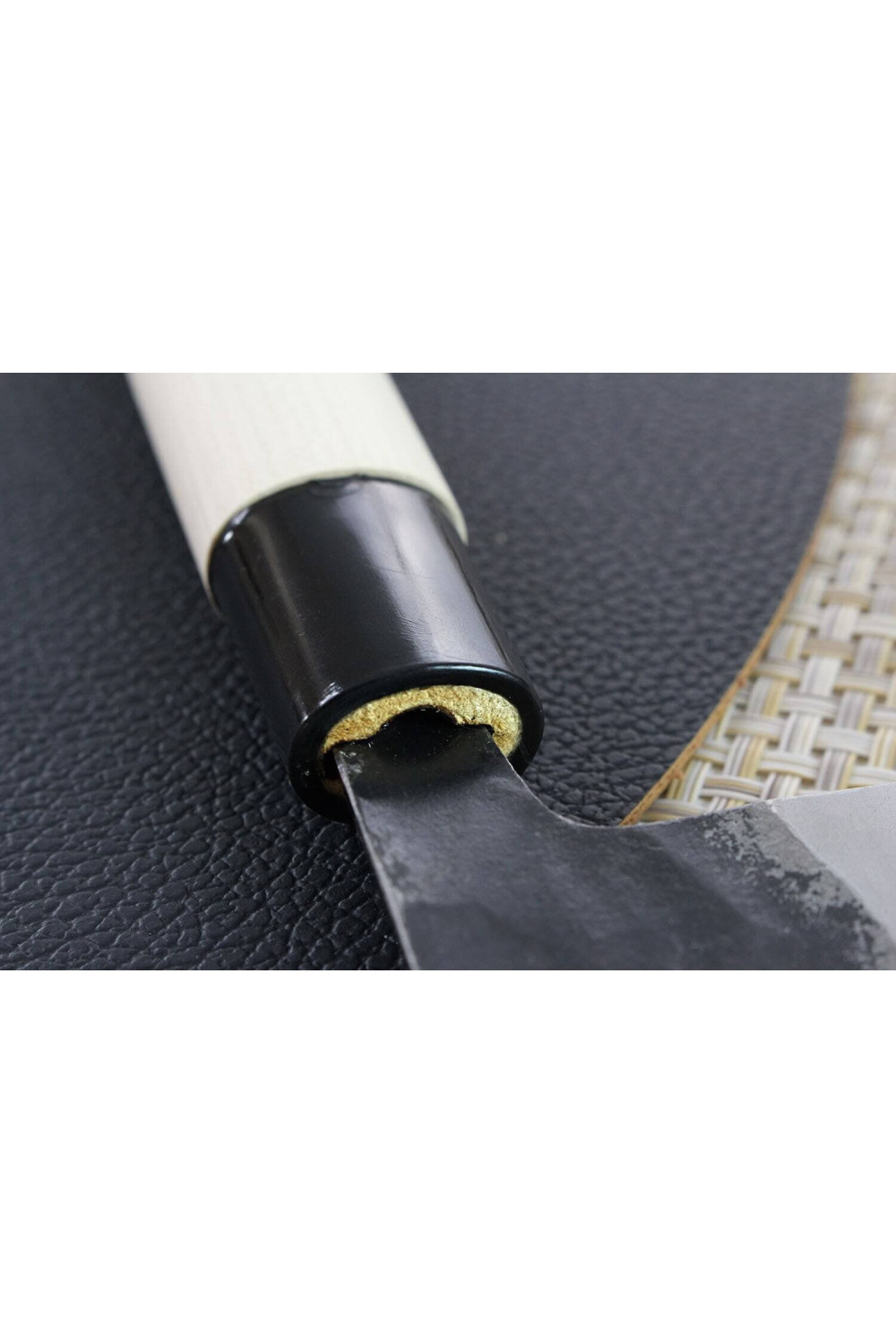
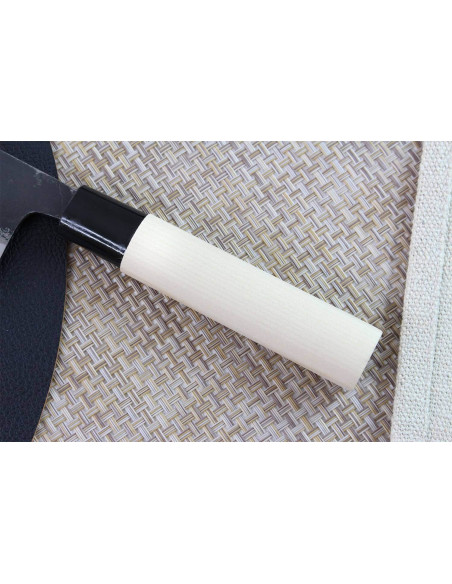
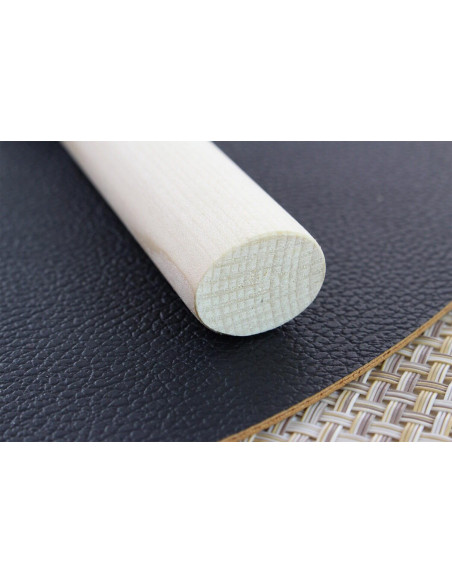
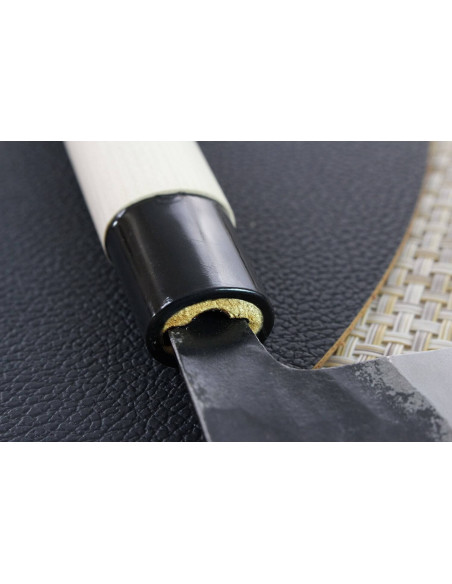
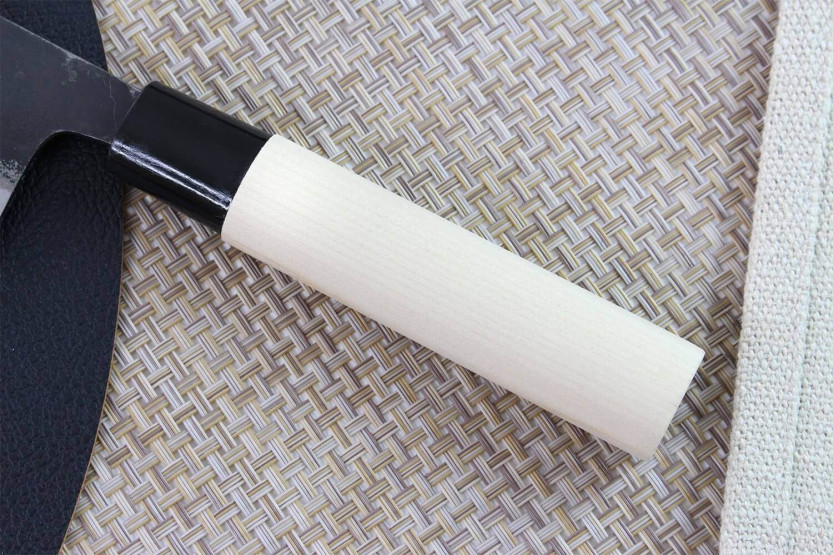
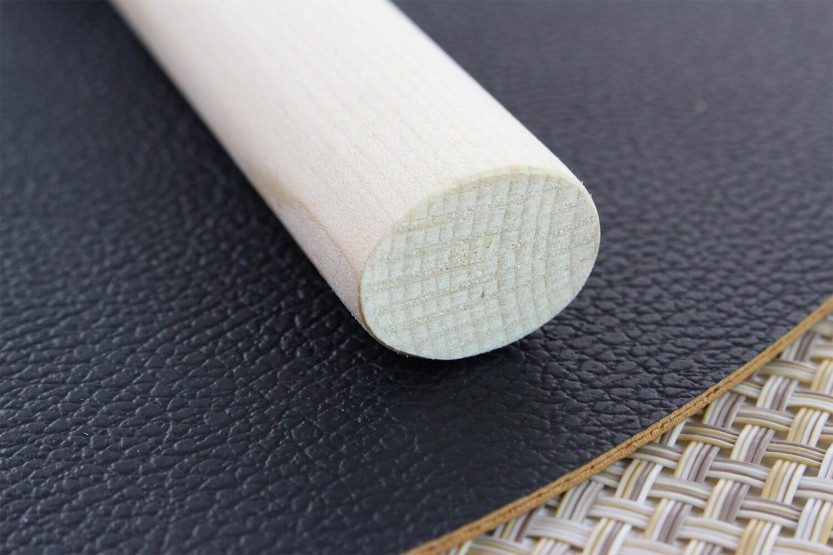
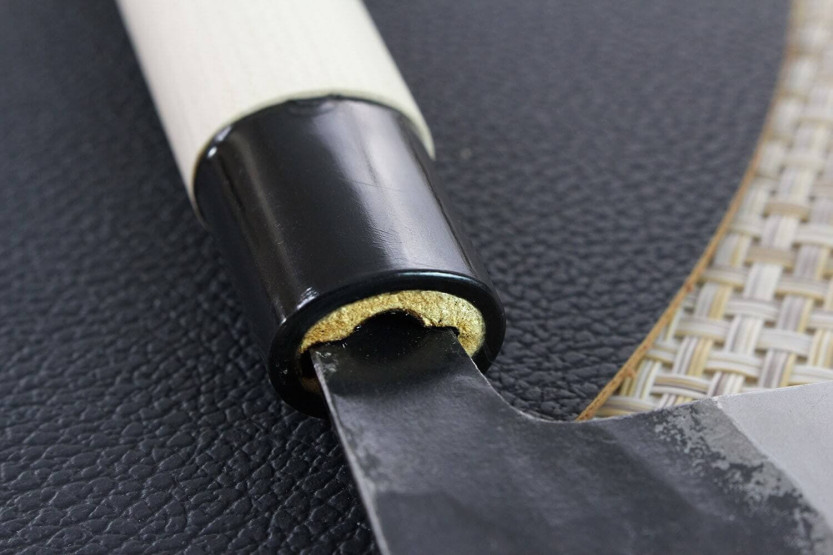
The knife's handle is made of light honoki wood. Oval in shape, it is comfortable in the hand for both right- and left-handed users. A smooth black polymer ferrule links the honoki to the blade. Note that the handle is "uncemented", i.e. there is no wood paste where the steel meets the wood. The knife is therefore not suitable for professional use. Nor should it be left in contact with liquids, even for washing. Do the bare minimum, and opt instead for spot cleaning if the need arises.
Knives should be cleaned by hand (not in a dishwasher). Once washed, wipe with a soft cloth and store away from moisture. As it contains a high carbon content, the blade will be much more susceptible to corrosion. If not dried properly, it can oxidize. It should be noted, however, that due to the nature of the alloy, small spots may form on the blade over time, and this is perfectly normal (they may be due, for example, to the acidity of the food being cut, or the humidity level in the air). The carbon blade is therefore recommended for connoisseurs who are familiar with the qualities of this particular steel, and who are also aware of the specifics of its maintenance. If you're not going to be using it for a long time, or simply want to carry out regular maintenance, you can grease it with mineral oil (which cannot go rancid). The layer of oil will help protect the steel.
The Murata Buho knife lets you test Japanese expertise and use top-of-the-range steel without blowing your budget. It's a great way to get started!
Discover all the handcrafted Japanese knives we've selected!




 By buying this product you can collect up to