A Japanese yanagiba knife designed for delicate cuts
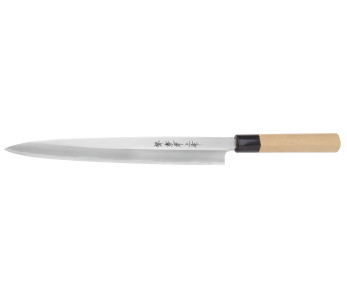
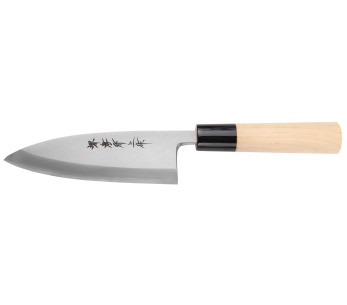
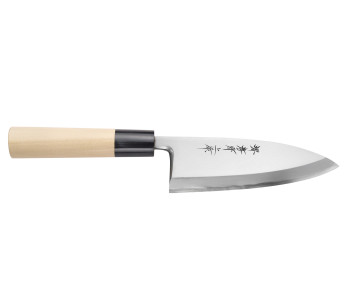
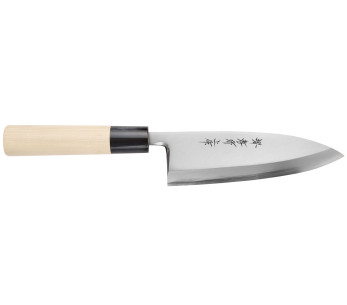
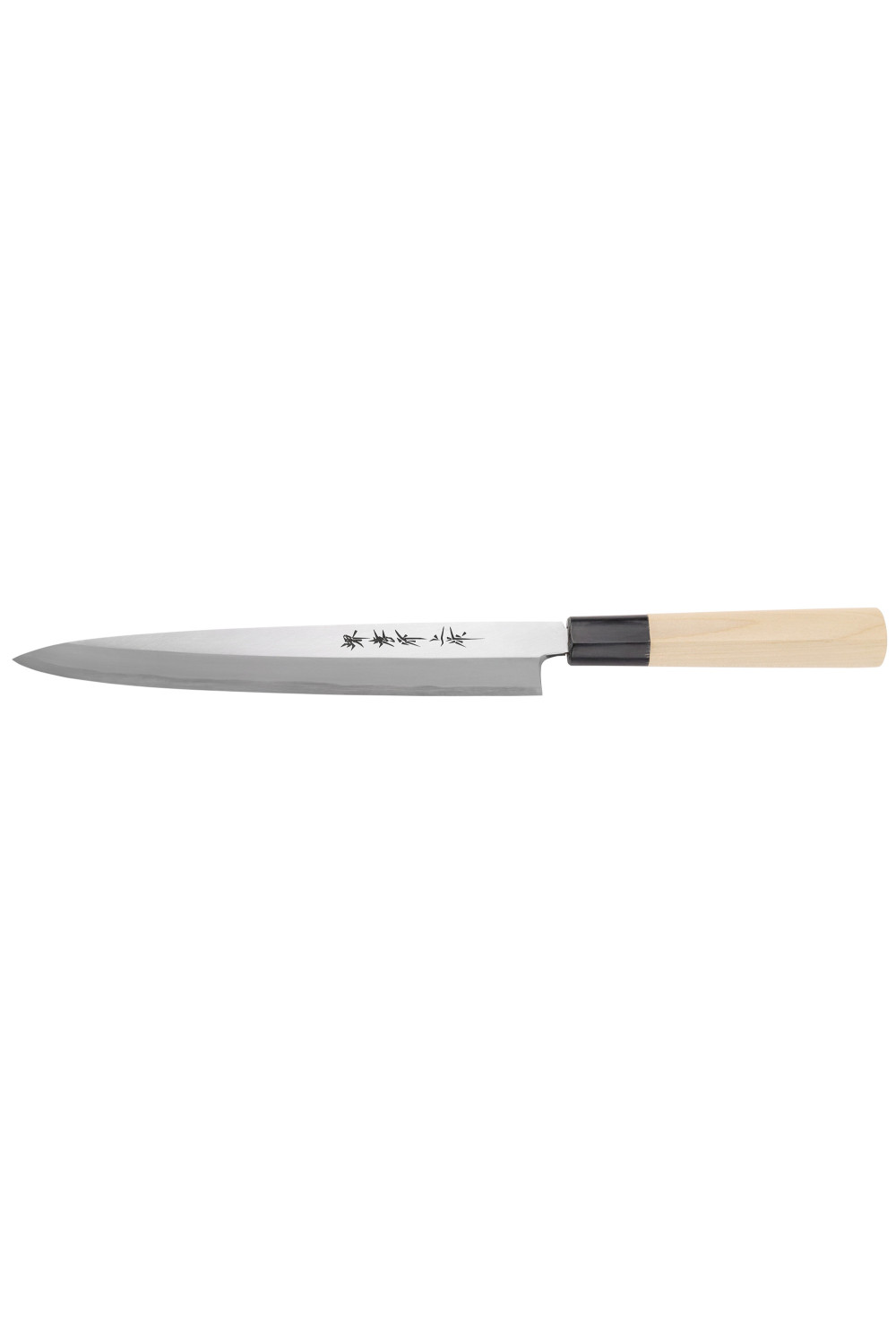
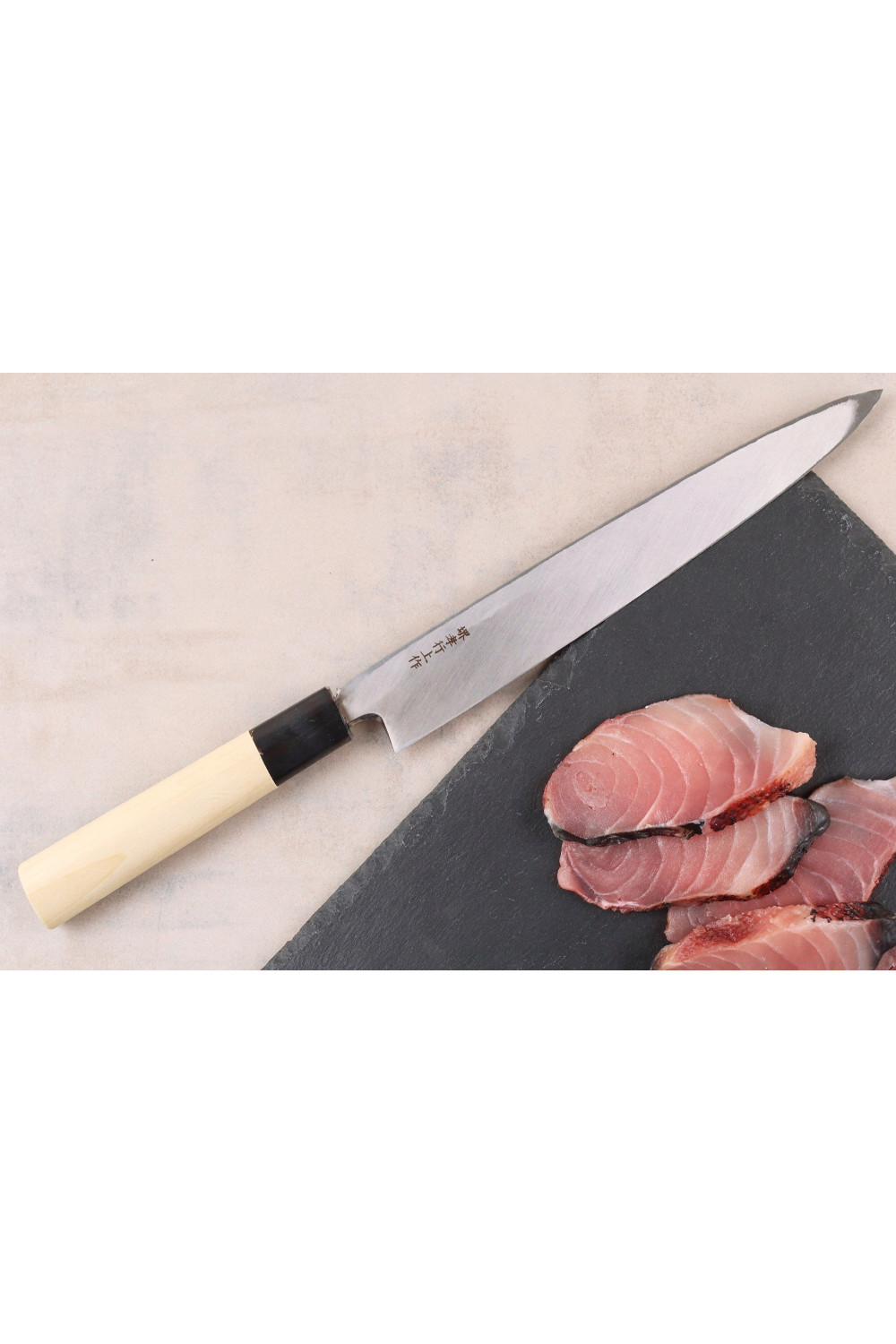
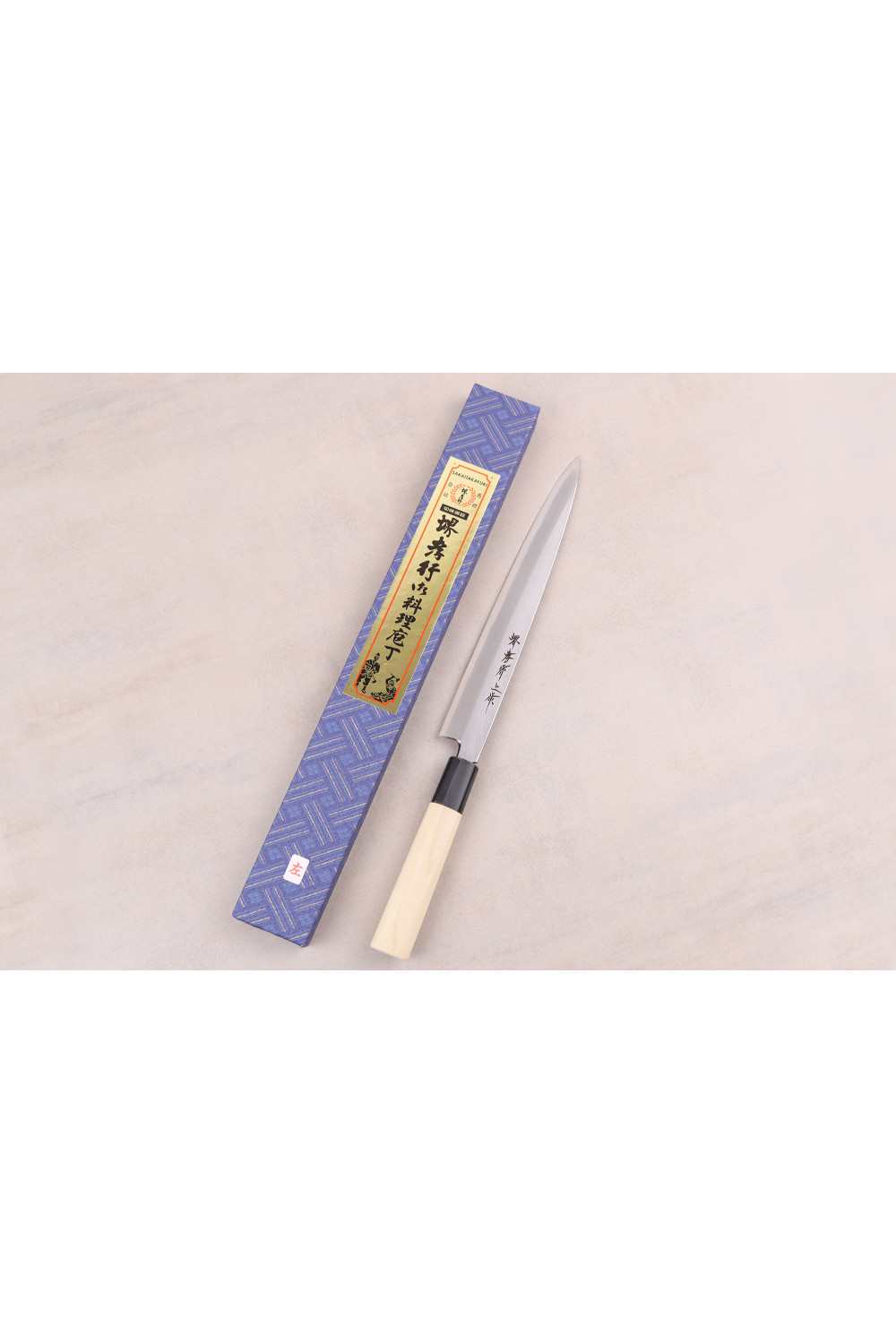
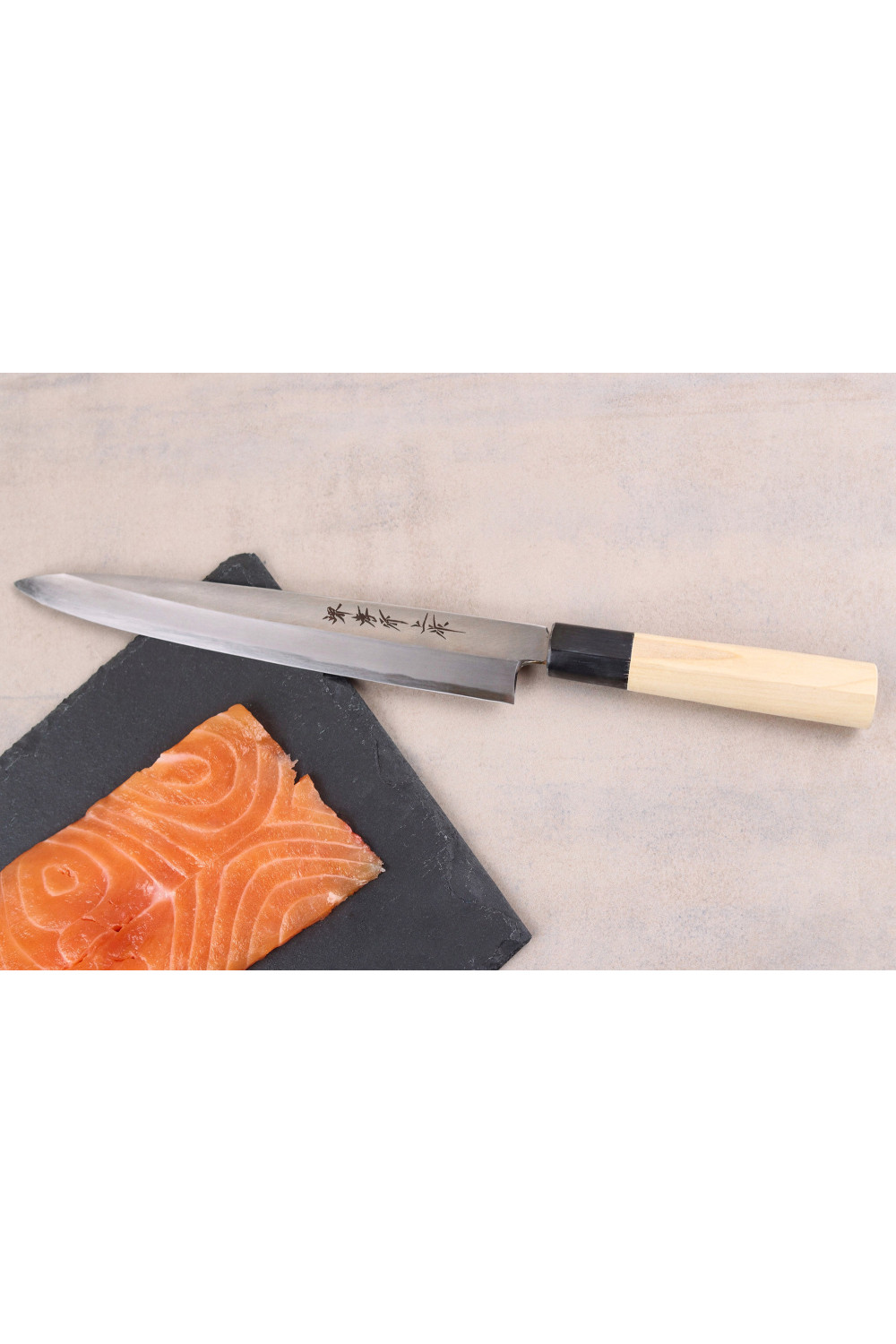
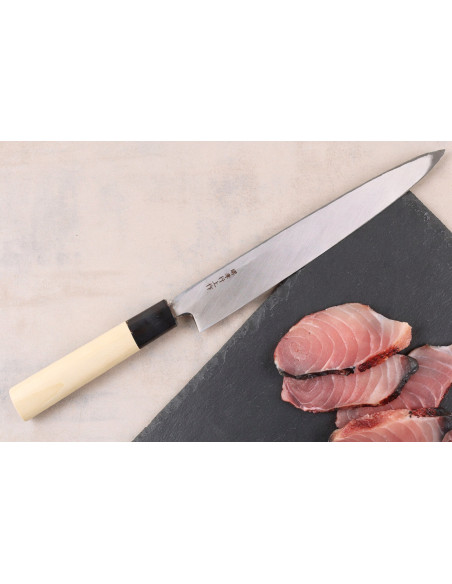
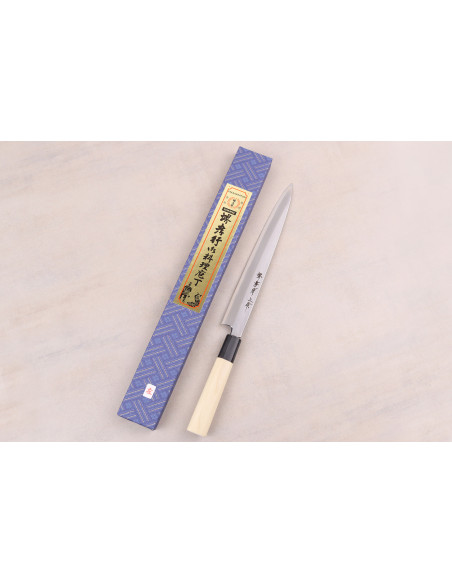
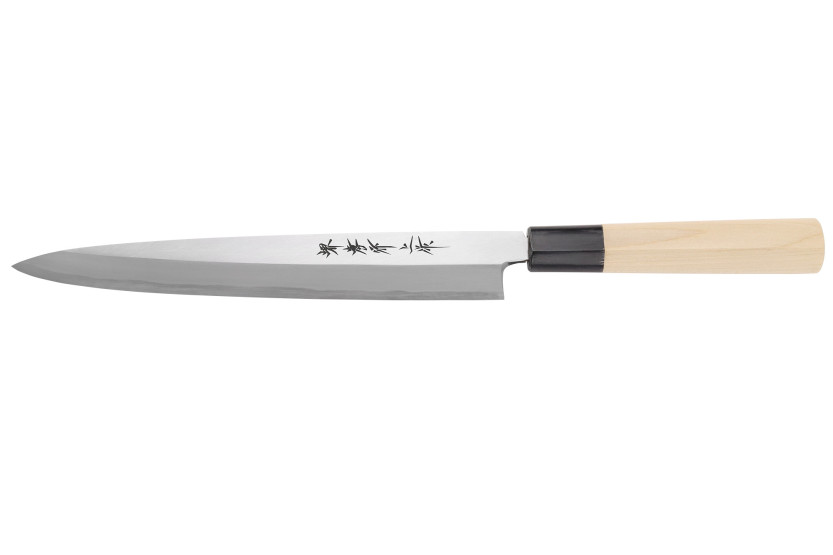
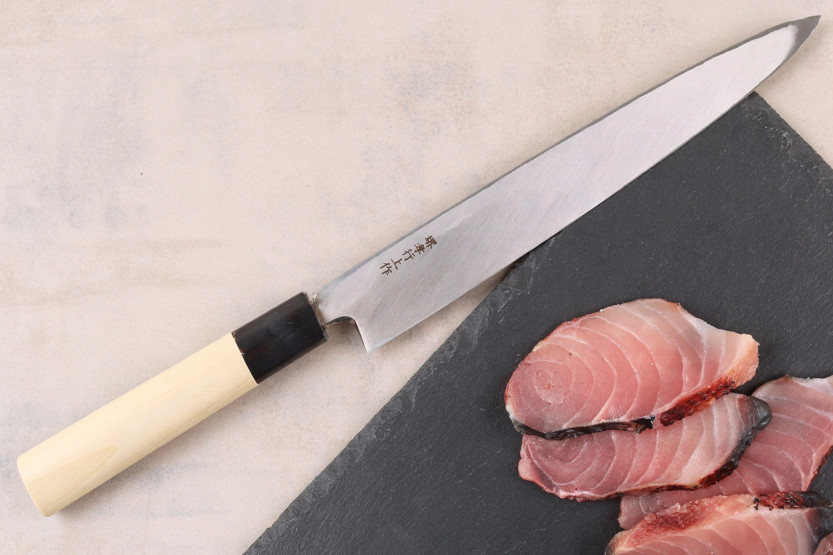
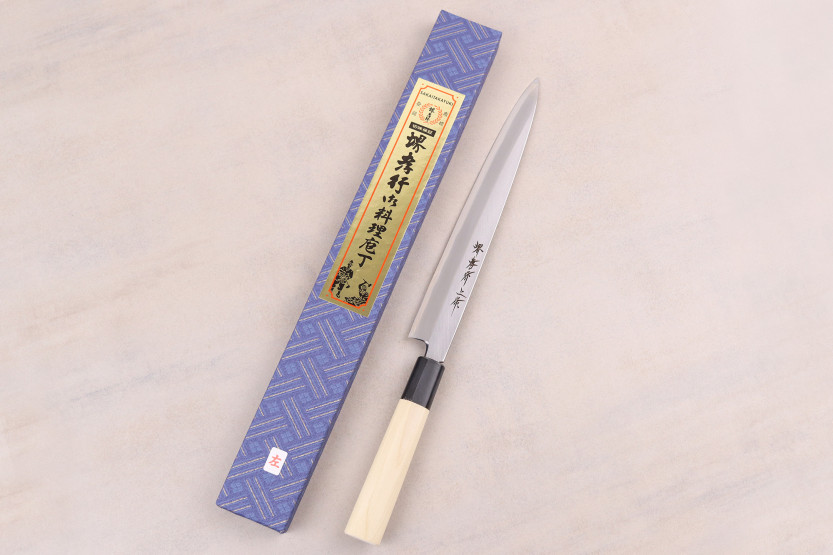
Discover the Sakai Takayuki Honkasumi Japanese knife, a handcrafted piece forged in Japan by Kenji Togashi and sharpened by Mitsuo Yamatsuka! This traditional modelfeatures a 24-cm blade specially designed for precise cuts on raw fish. Its asymmetrical grind, tailored for left-handed users, allows for a natural and controlled cutting motion.
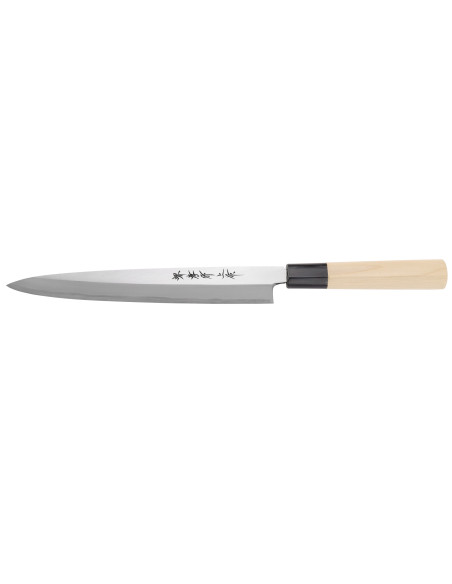
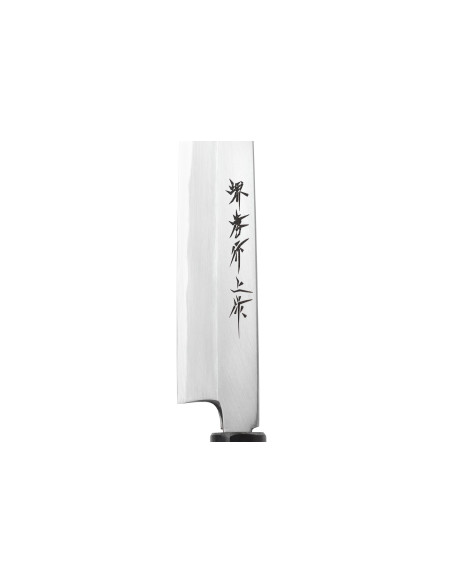
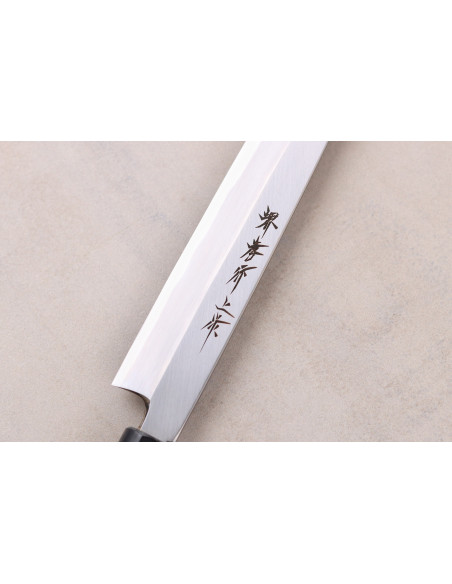
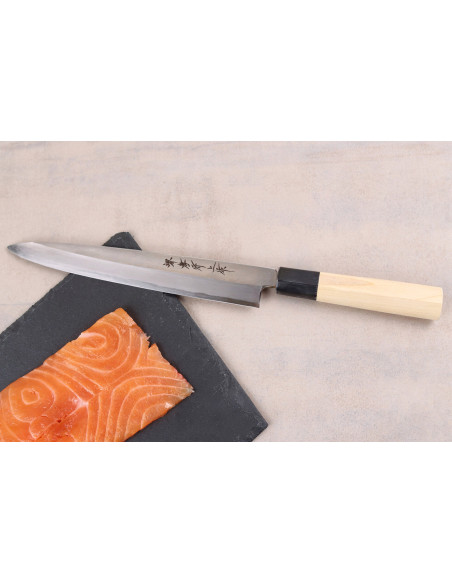
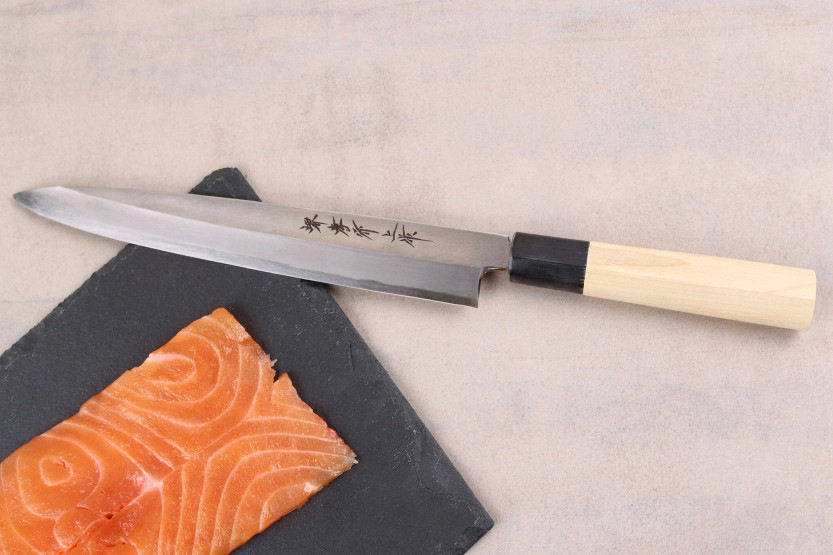
The 24-cm yanagiba knife features a long, narrow, and pointed blade, characteristic of Japanese cutlery. Its geometry facilitates continuous cutting motions, which are particularly valued for preparing sashimi, sushi, or thin slices of fish. Its 24-cm length offers an ideal balance between cutting length and maneuverability, especially when working in a limited space.
A handcrafted blade with a precise cutting edge
This yanagiba features a 24-cm blade crafted using a San Mai construction, combining a rigid steel core with two layers of softer steel. The core is madeof Japanese Shirogami #3 steel, also known as White Paper Steel #3. This traditional steel contains approximately 0.9% carbon, a composition that yields a particularly fine edge after sharpening.
Thanks to its hardness of approximately 60 HRC on the Rockwell scale, the blade maintains good cutting performance during delicate preparations. Shirogami steel is also valued for its relative ease of sharpening on a water stone, allowing you to restore a precise edge with the proper technique.
Shirogami #3 steel is surrounded by outer layers of softer stainless steel, designed to support the hard steel and limit its brittleness under mechanical stress. This construction thus combines the precision of the cutting edge with a more resilient structure.
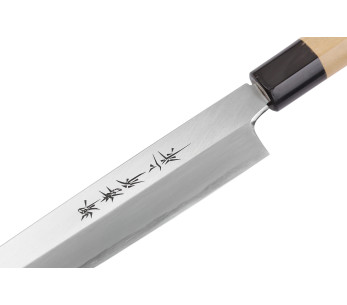
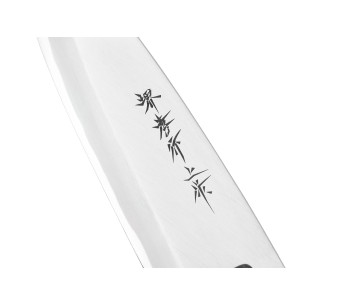
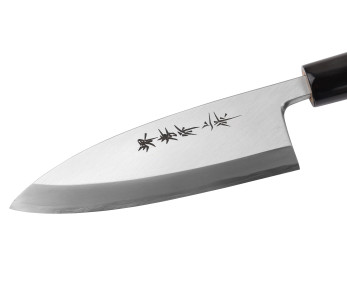
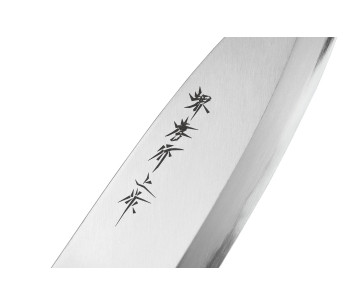
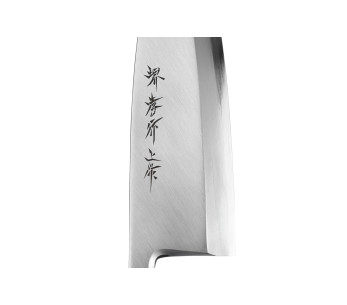
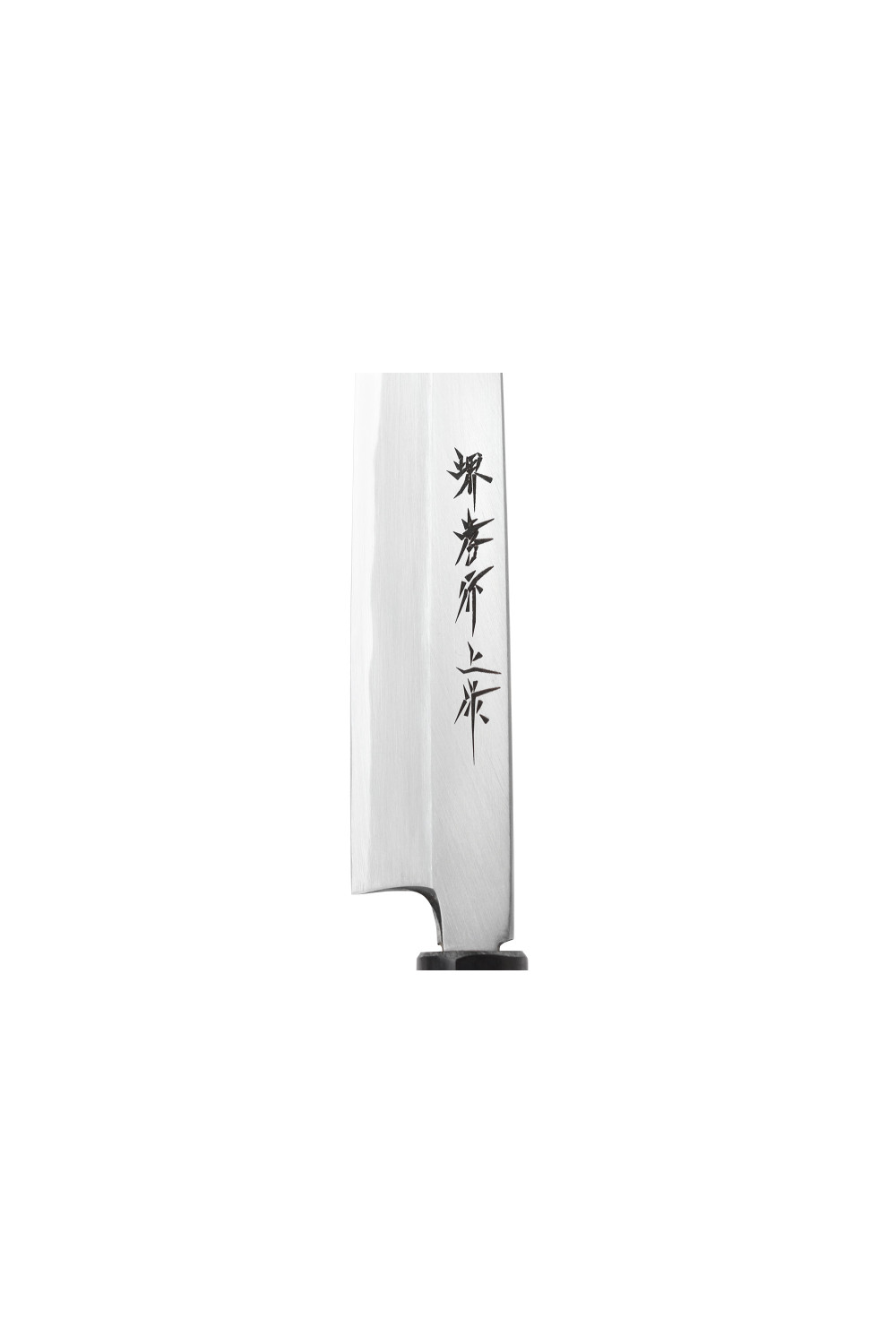
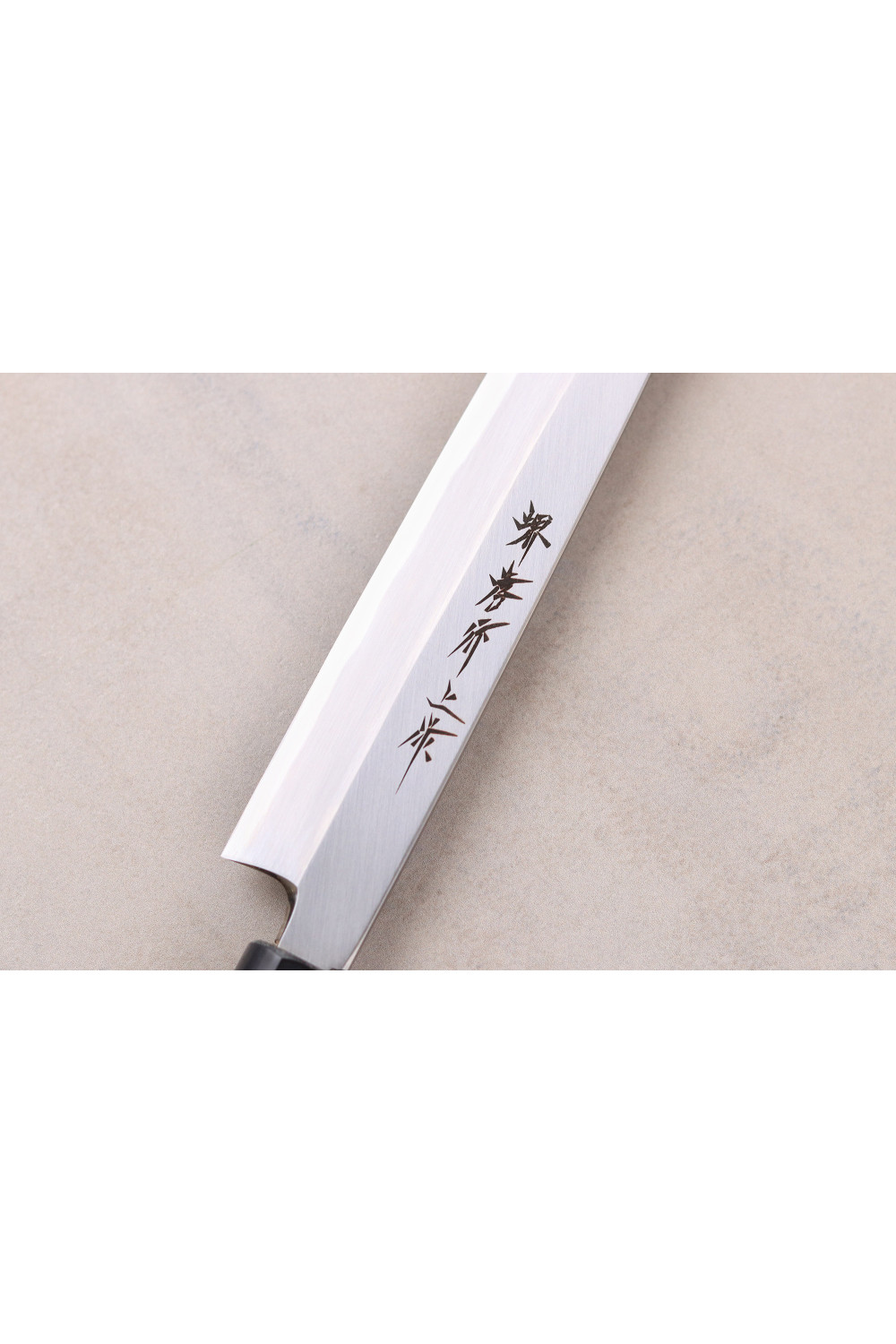
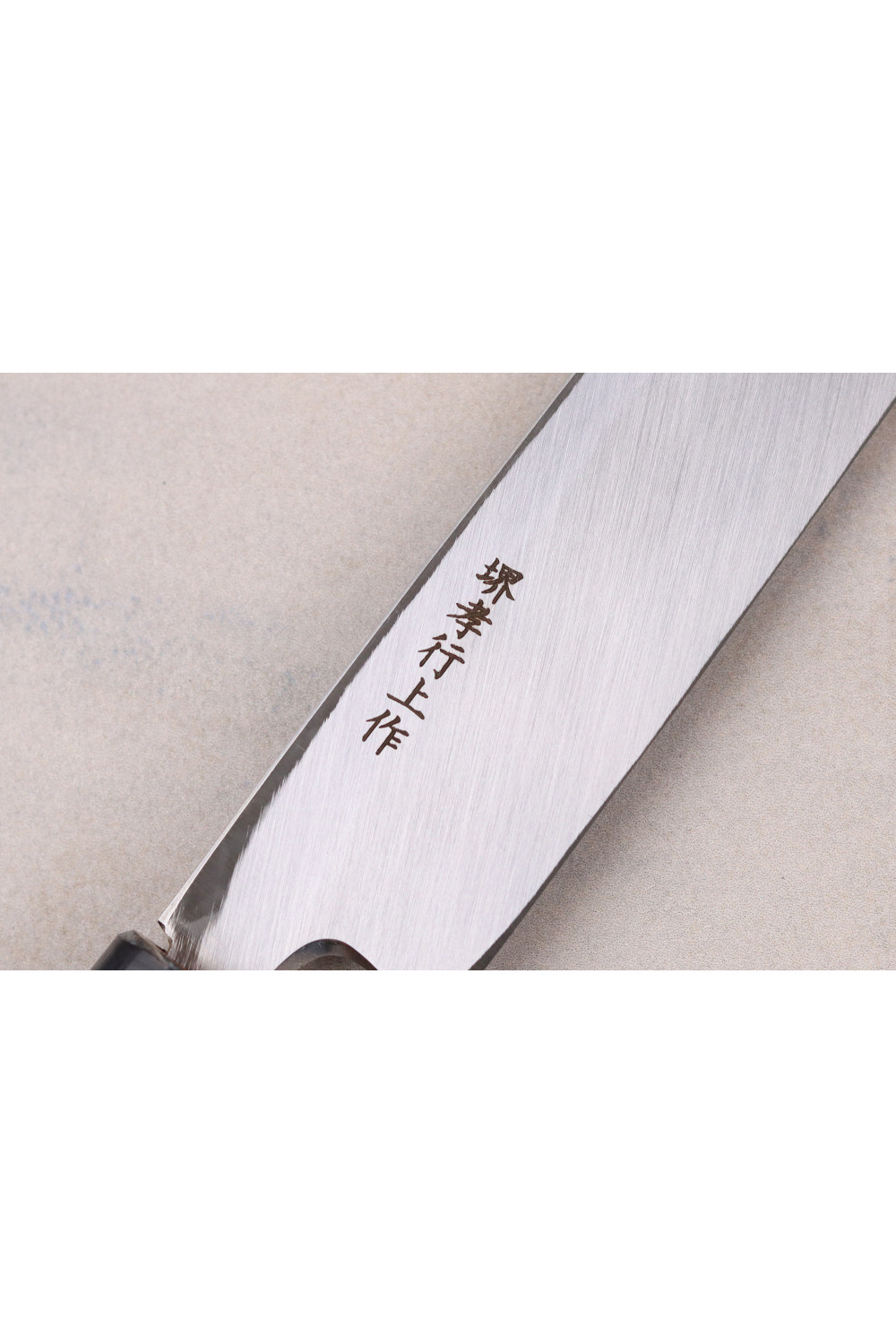
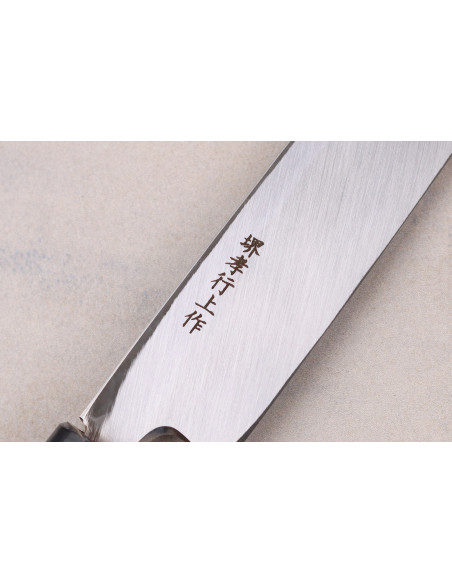
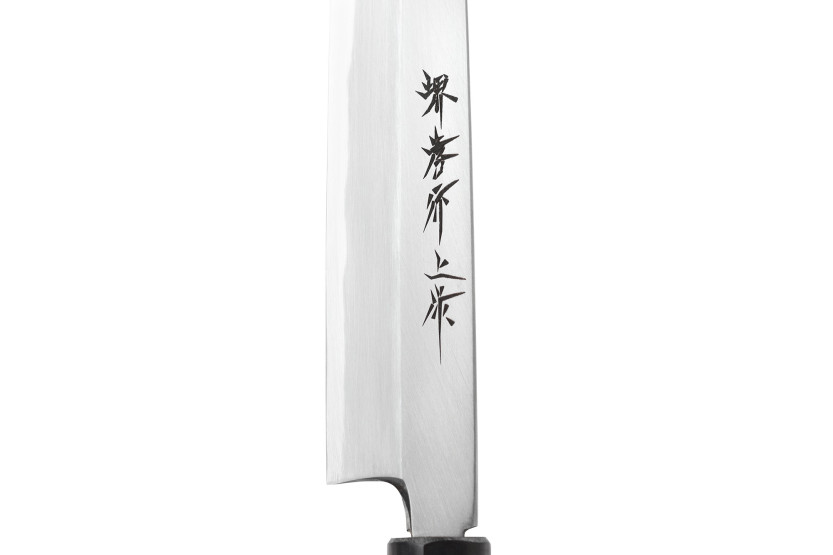
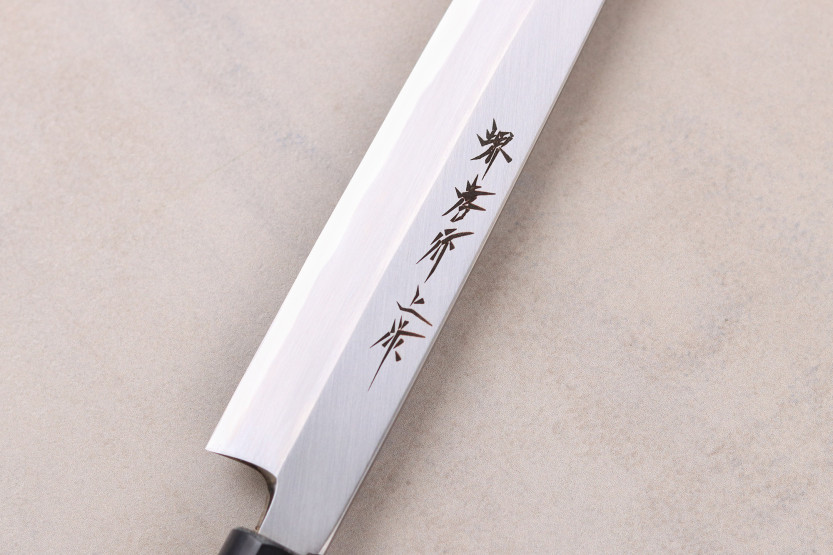
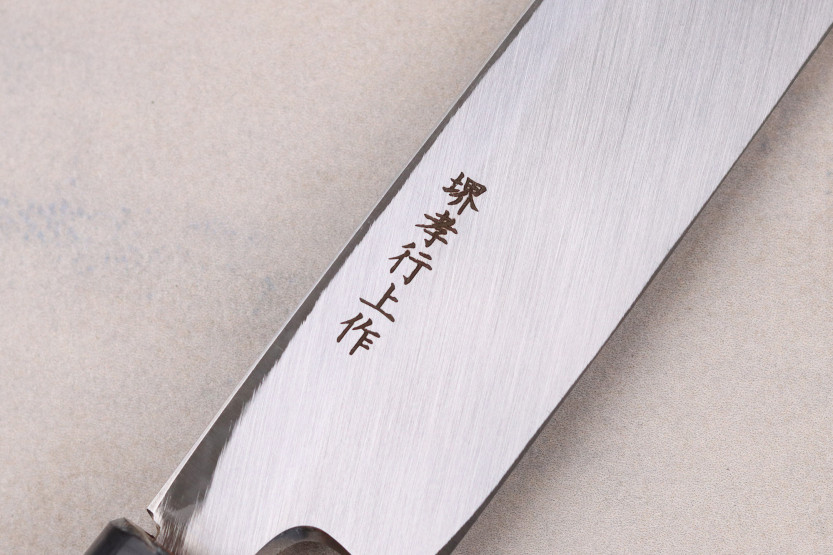
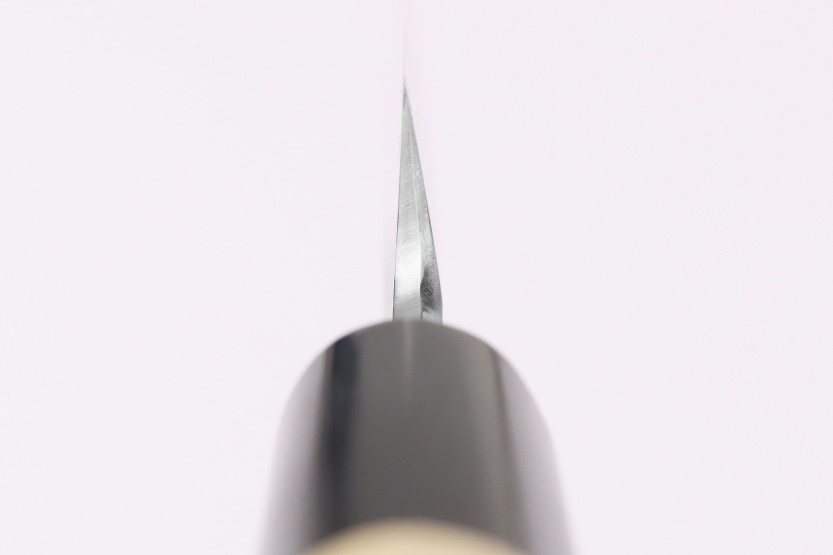
The blade’s surface features a polished finish, offering a simple and refined appearance that highlights the craftsmanship.
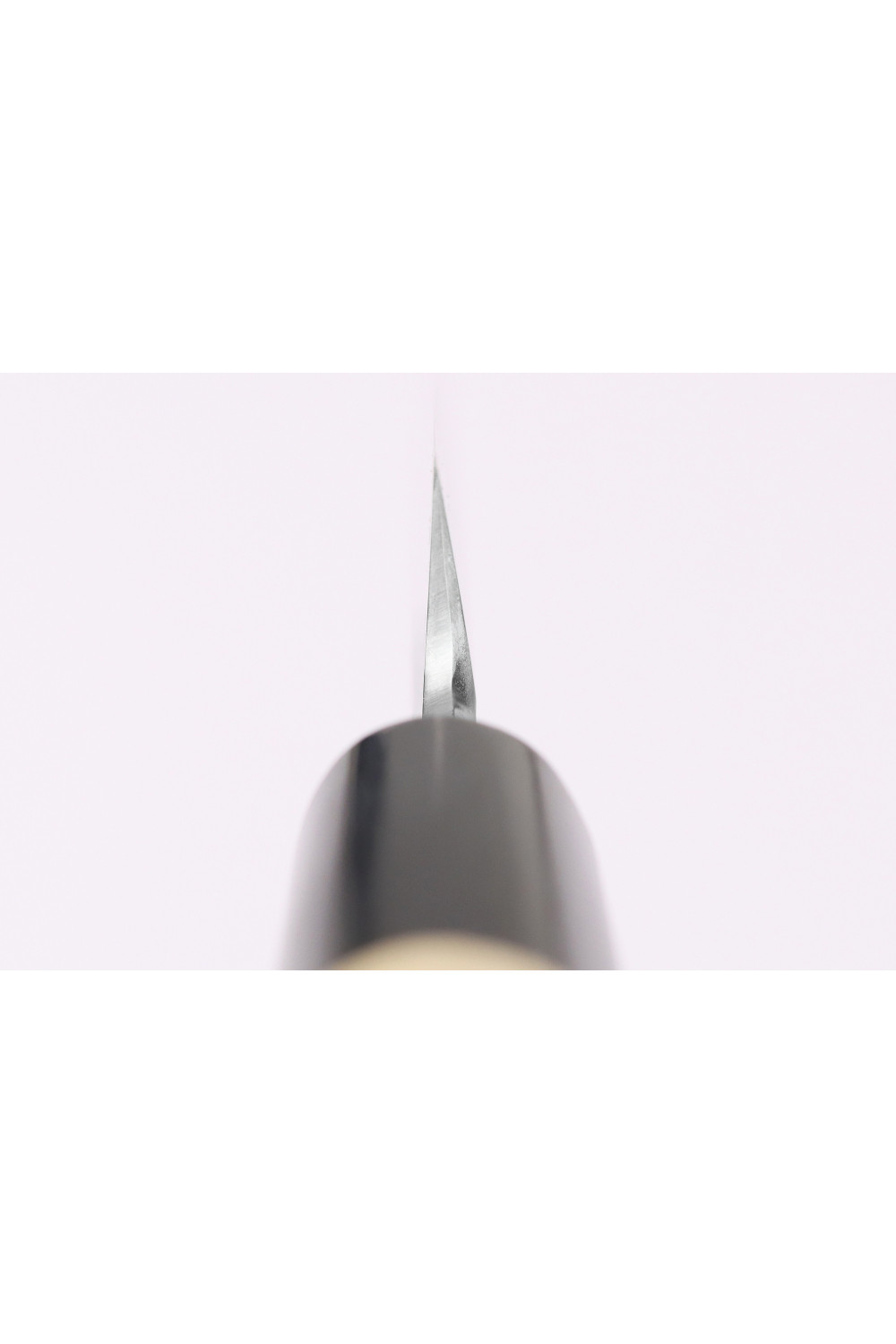
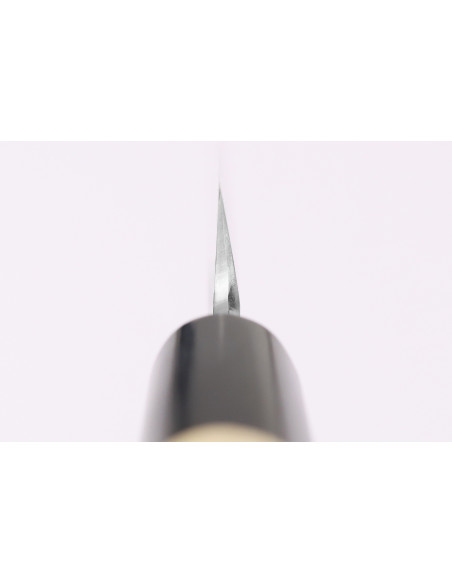
The asymmetrical grind for left-handed users is a key feature of this model. The cutting edge is oriented to naturally follow the movements of the left hand. This traditional geometry facilitates precise cutting of delicate meats while minimizing repetitive movements that could damage them.
A traditional magnolia wood handle
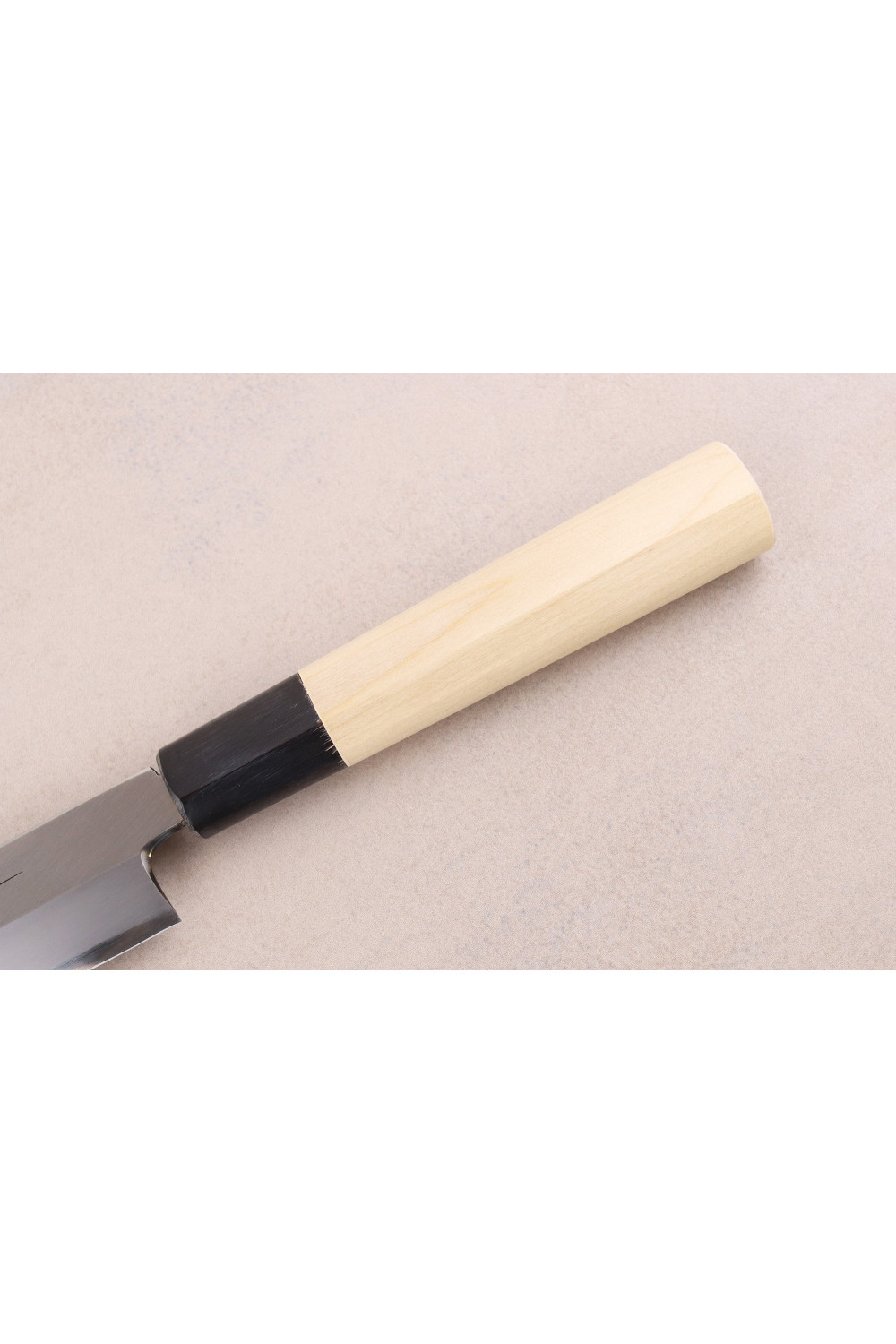
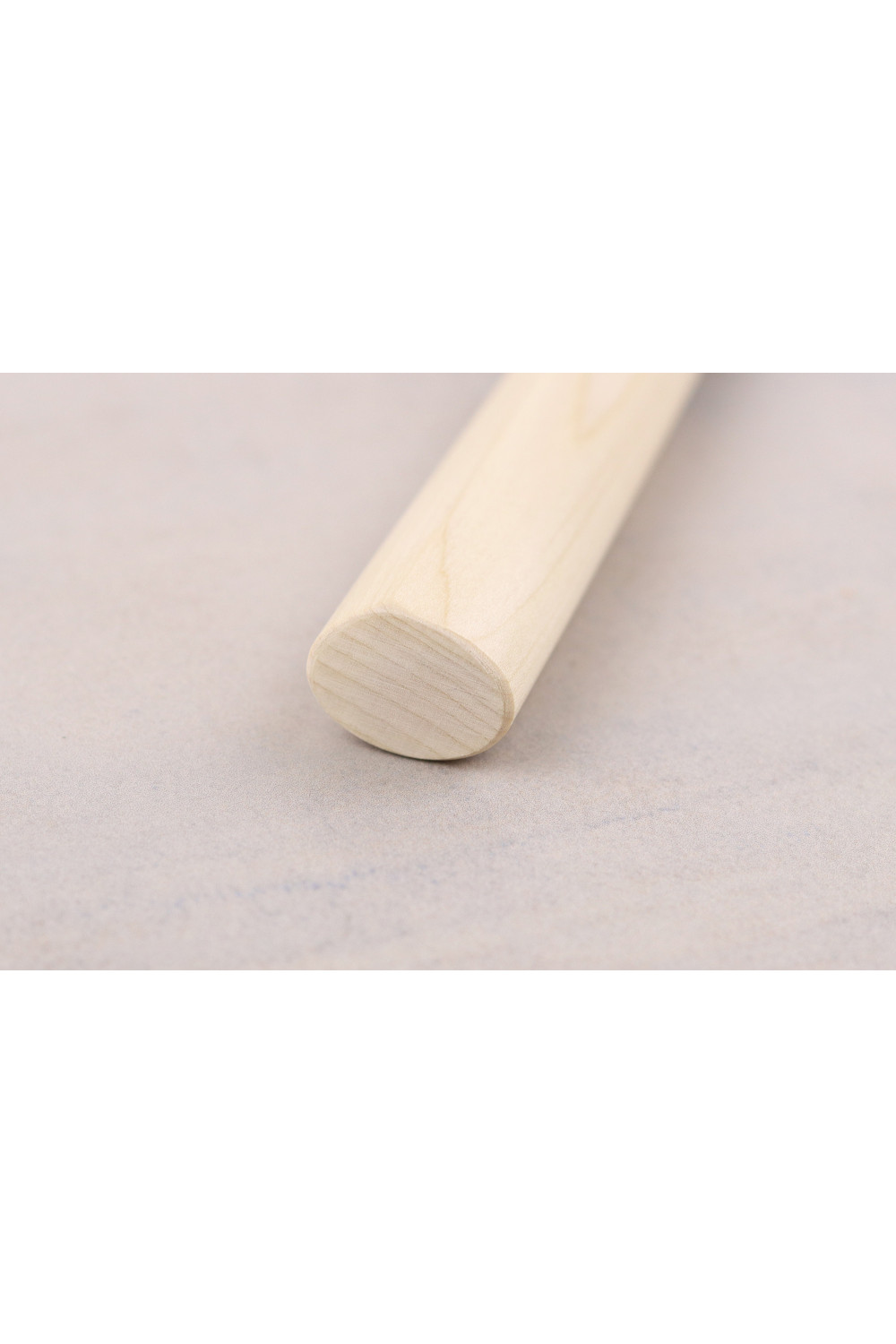
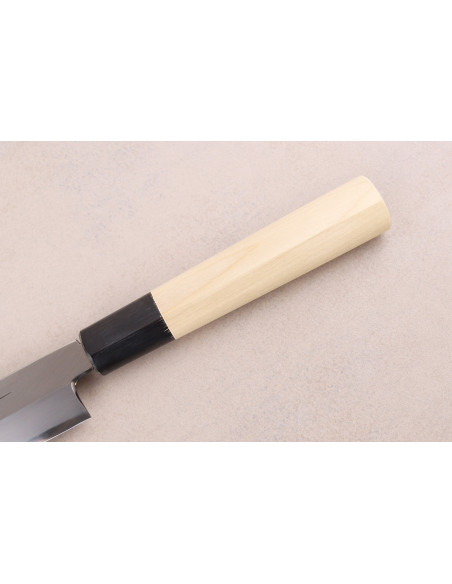
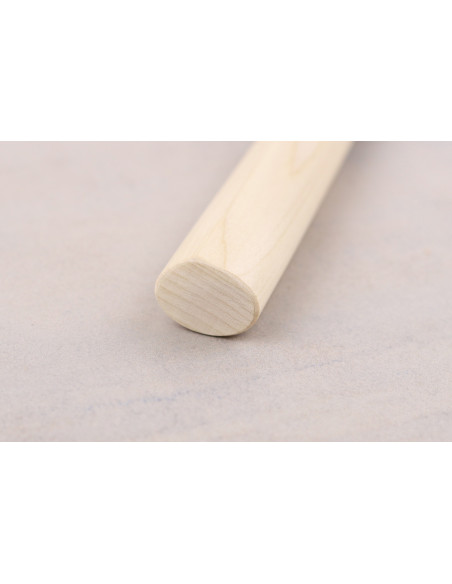
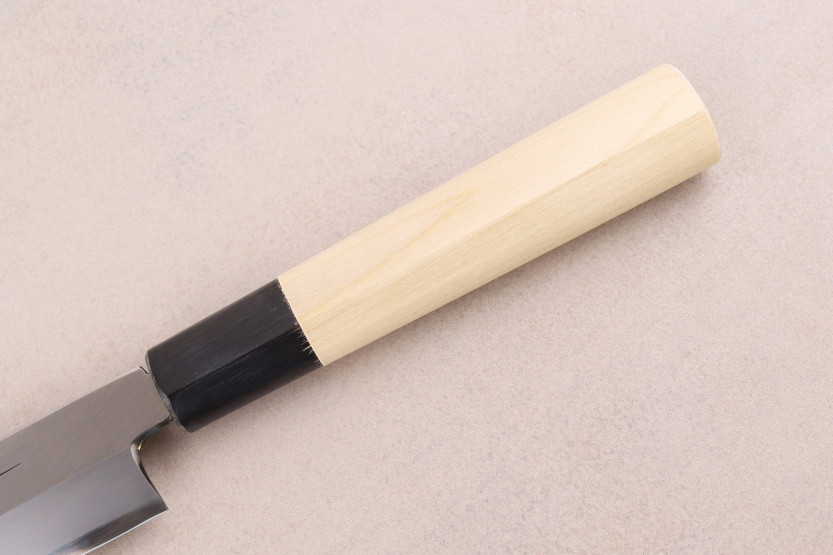
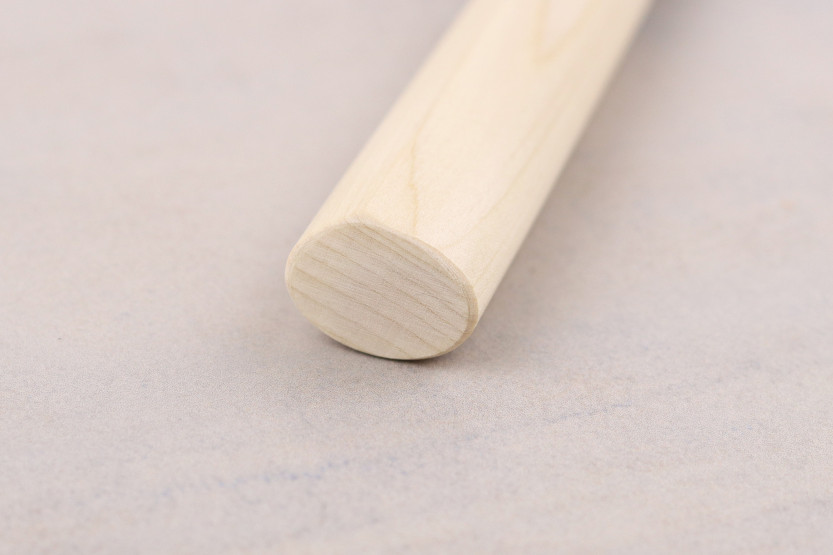
The handle of this yanagiba is made of magnolia wood, a natural wood traditionally used in Japanese cutlery. This light-colored wood has a pleasant texture and is noticeably lightweight, allowing for comfortable handling of the knife during food preparation.
Its D-shaped design features an ergonomic profile that makes it easy to position your fingers. It provides tactile guidance when gripping the knife and helps control the blade’s orientation. This design supports the precise movements needed to produce thin, even slices.
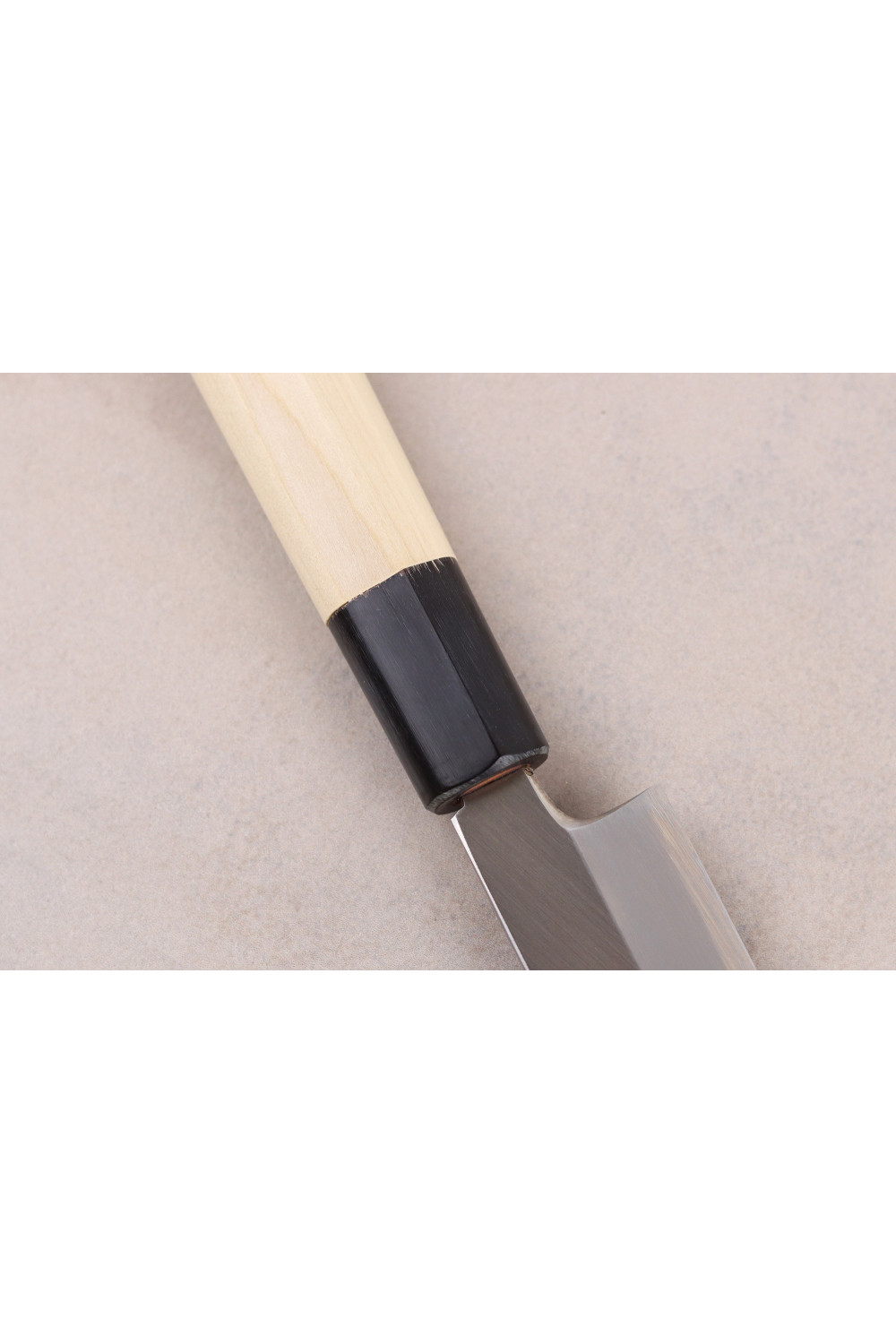
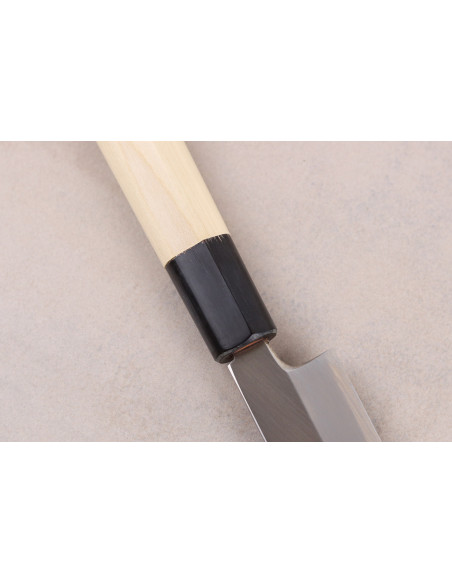
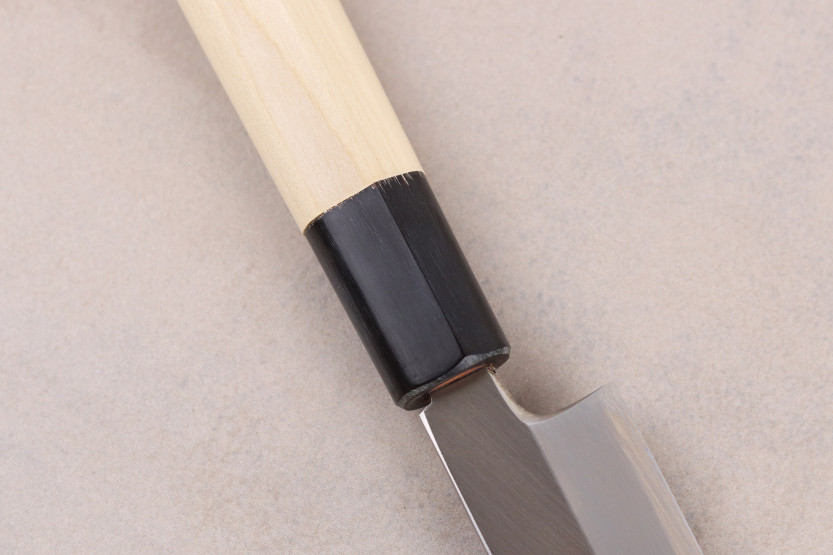
The handle is finished with a black buffalo horn bolster at the junction with the blade. This piece adds an elegant, traditional finish while helping to reinforce the front of the handle. The contrast between the light magnolia wood and the dark horn gives the knife a distinctly Japanese aesthetic.
Since magnolia and buffalo horn are two natural materials, their color, grain, and appearance may vary from one knife to another. These differences are part of each knife’s unique character and attest to the use of authentic materials.
Features and Benefits
-
- 24 cm blade: allows for long, smooth cuts through fish
-
- San Mai construction: combines a hard core with protective layers
- Shirogami #3 steel core: fine,
- precise
- cutting edge
- Hardness of approximately 60 HRC: promotes long-lasting edge retention
- Polished finish: provides a refined and elegant surface
-
- Asymmetrical bevel for left-handed users: facilitates cutting control
- Magnolia handle: ensures lightness and comfortable handling
- D-shaped handle: facilitates hand positioning
- Black buffalo horn bolster: reinforces the connection to the handle
-
- Handcrafted by Kenji Togashi: carries on traditional Japanese knife-making techniques
- Sharpened by Mitsuo Yamatsuka: provides a precise finish to the cutting edge
Use and Care
This yanagiba is designed for slicing raw fish, particularly for preparing sashimi and sushi. Use long cutting strokes by gently pulling the blade toward you, without sawing back and forth. Avoid bones, thick fish bones, and frozen foods. Be sure to use a cutting board made of wood or synthetic material
The carbon steel core requires careful maintenance. Wash the knife by hand and dry it immediately after use. Do not let it soak, and never put it in the dishwasher. Maintain the edge with a whetstone designed for asymmetrical sharpening for left-handers.
The expertise of Kenji Togashi and Mitsuo Yamatsuka
Sakai Takayuki, based in the city of Sakai, Japan, is part of a long tradition of artisanal cutlery. Located in Osaka Prefecture, this city is particularly renowned for the manufacture of Japanese kitchen knives.
The crafting of this blade was entrusted to Kenji Togashi, a Japanese master blacksmith renowned for his work with traditional steels and his mastery of forging techniques. His expertise allows him to shape blades designed to achieve a fine edge, while respecting the unique characteristics of the steels used.
The sharpening was then performed by Mitsuo Yamatsuka, whose work involves refining the geometry and finish of the cutting edge to produce a blade suited for precise cutting.
This collaboration illustrates the traditional organization of Sakai cutlery, where forging and sharpening are often entrusted to specialized artisans. Each step requires distinct expertise, contributing to the knife’s final quality.
Discover our selection of Sakai Takayuki Honkasumi knives to prepare your Japanese dishes with precision!




 By buying this product you can collect up to