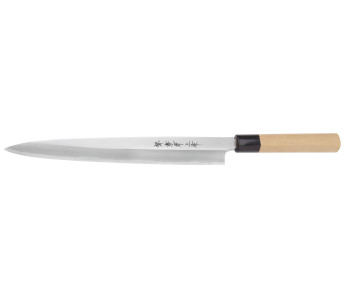
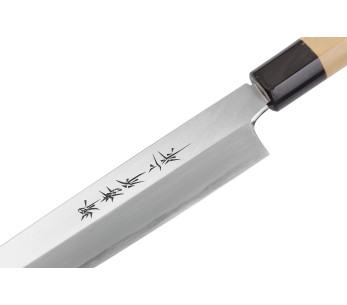
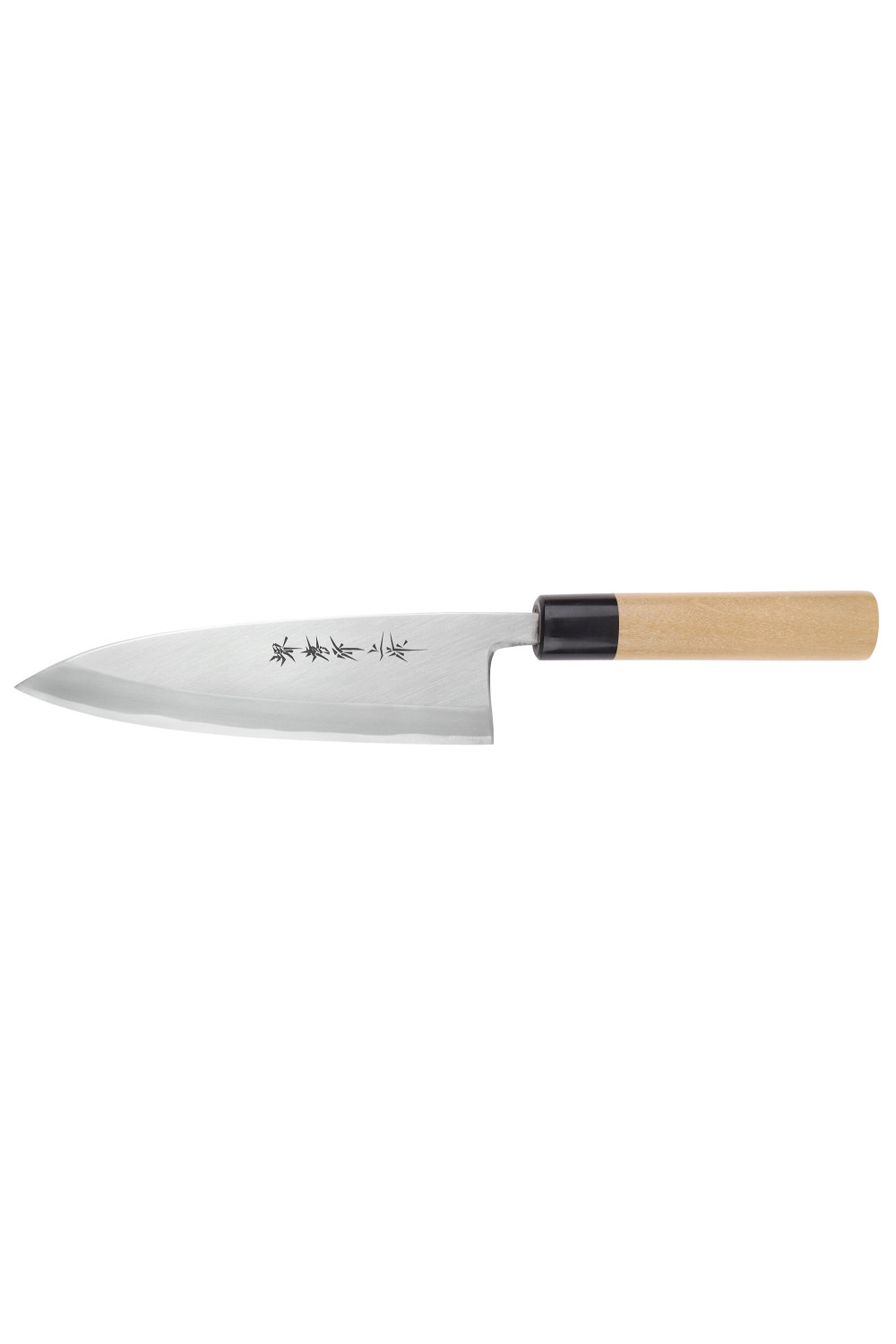
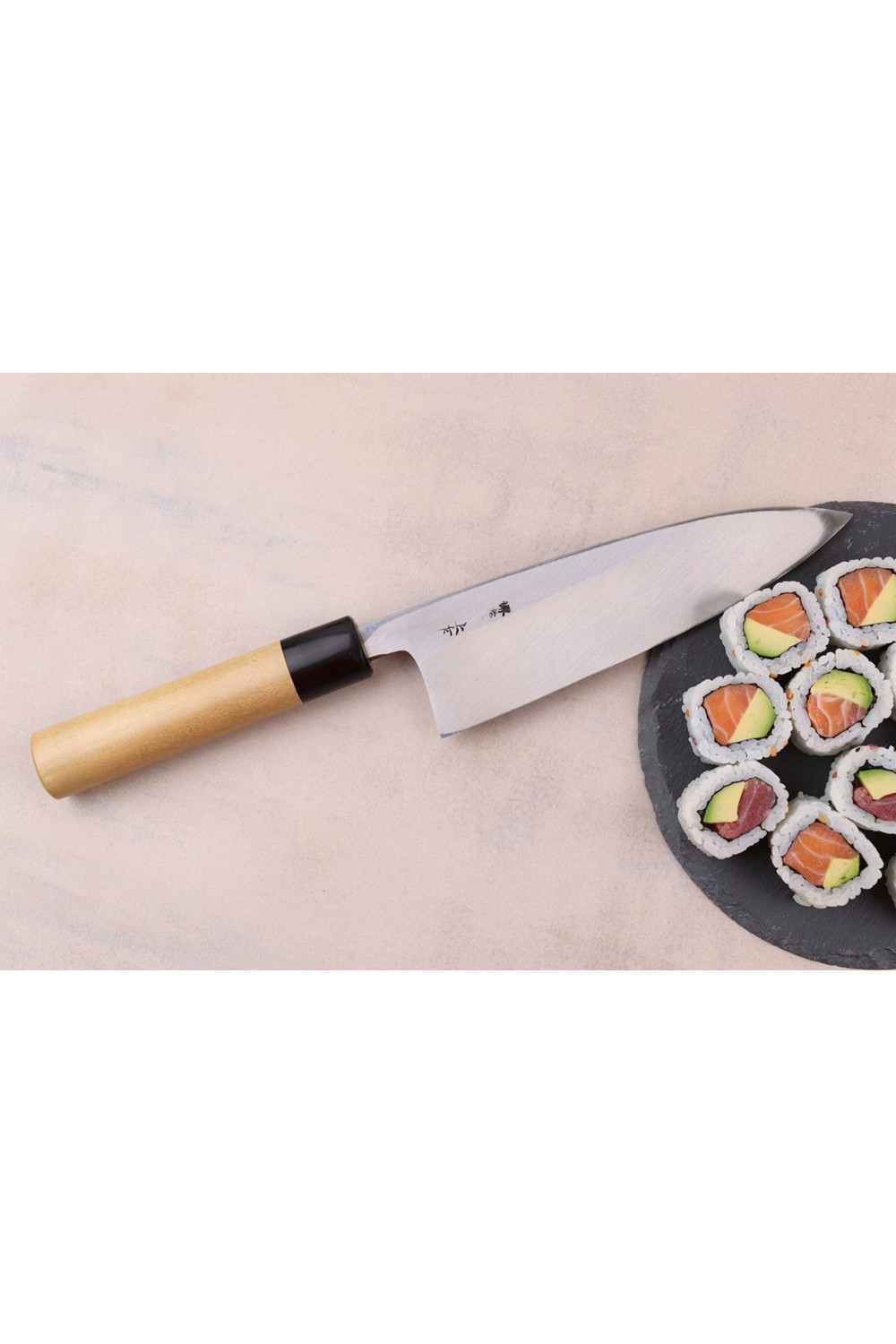
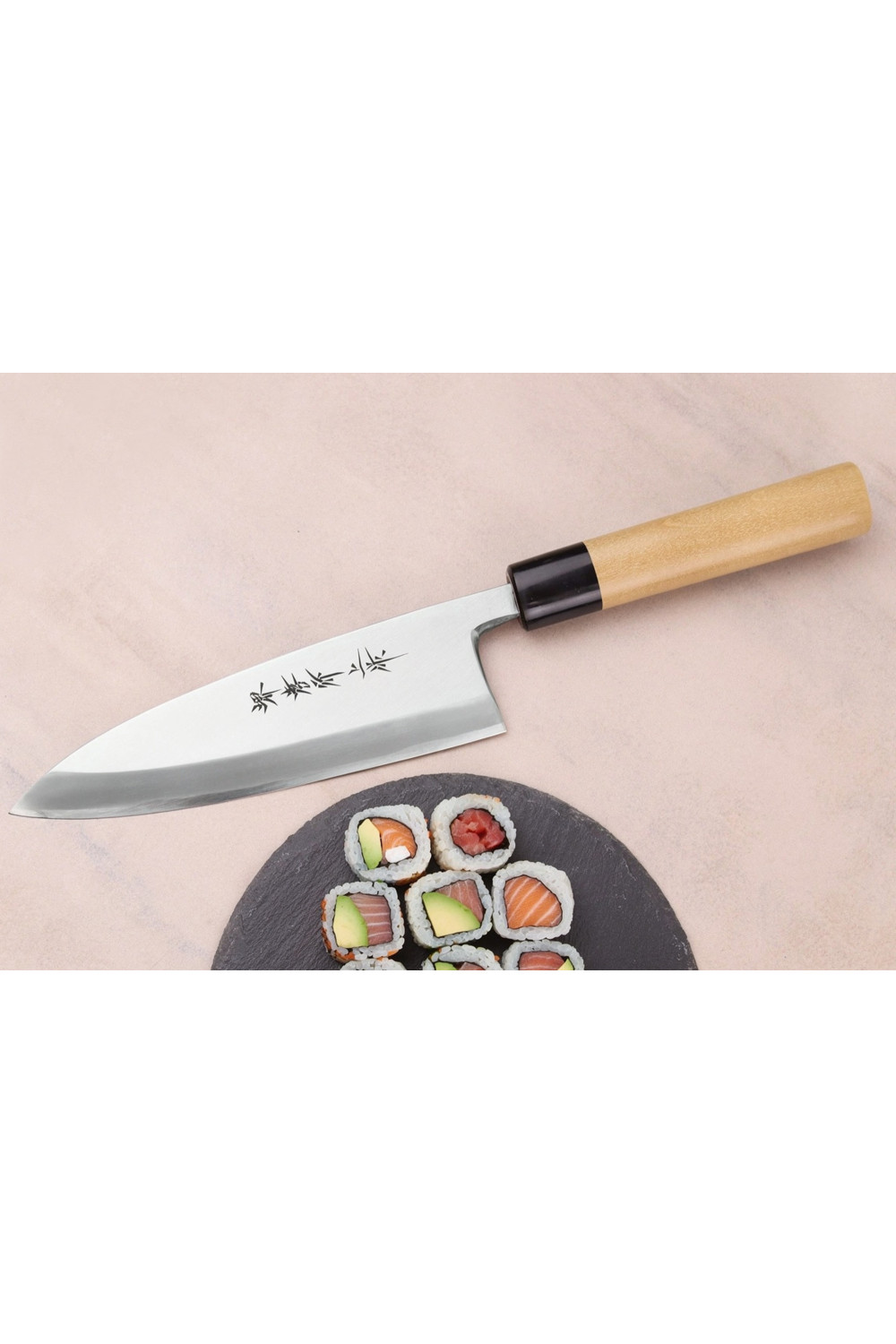
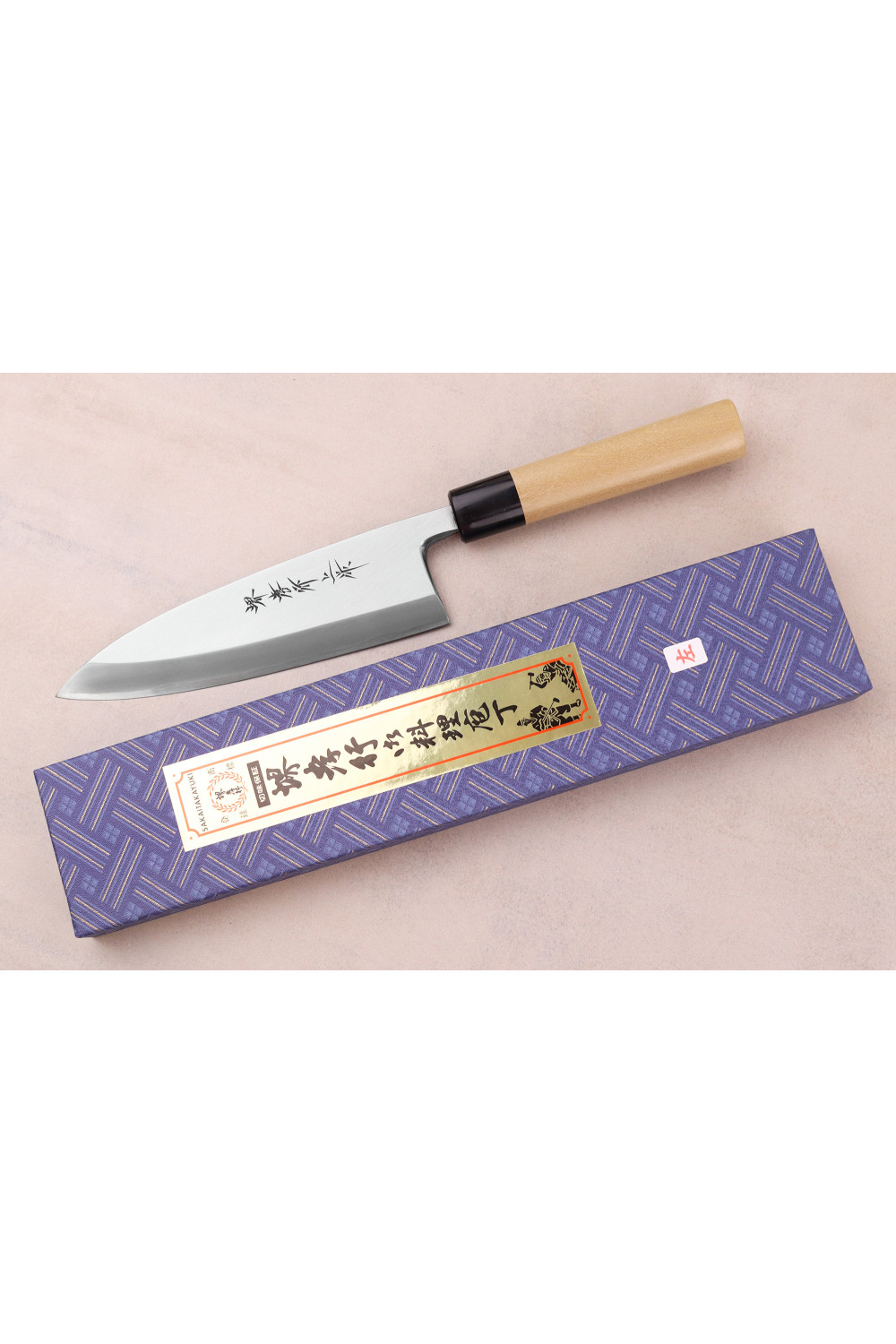
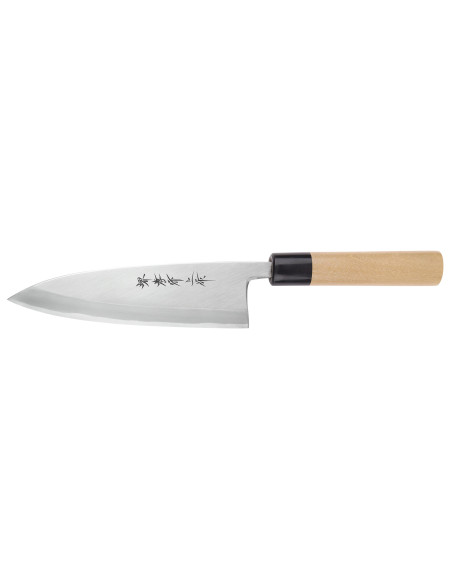
A Japanese deba knife for preparing fish
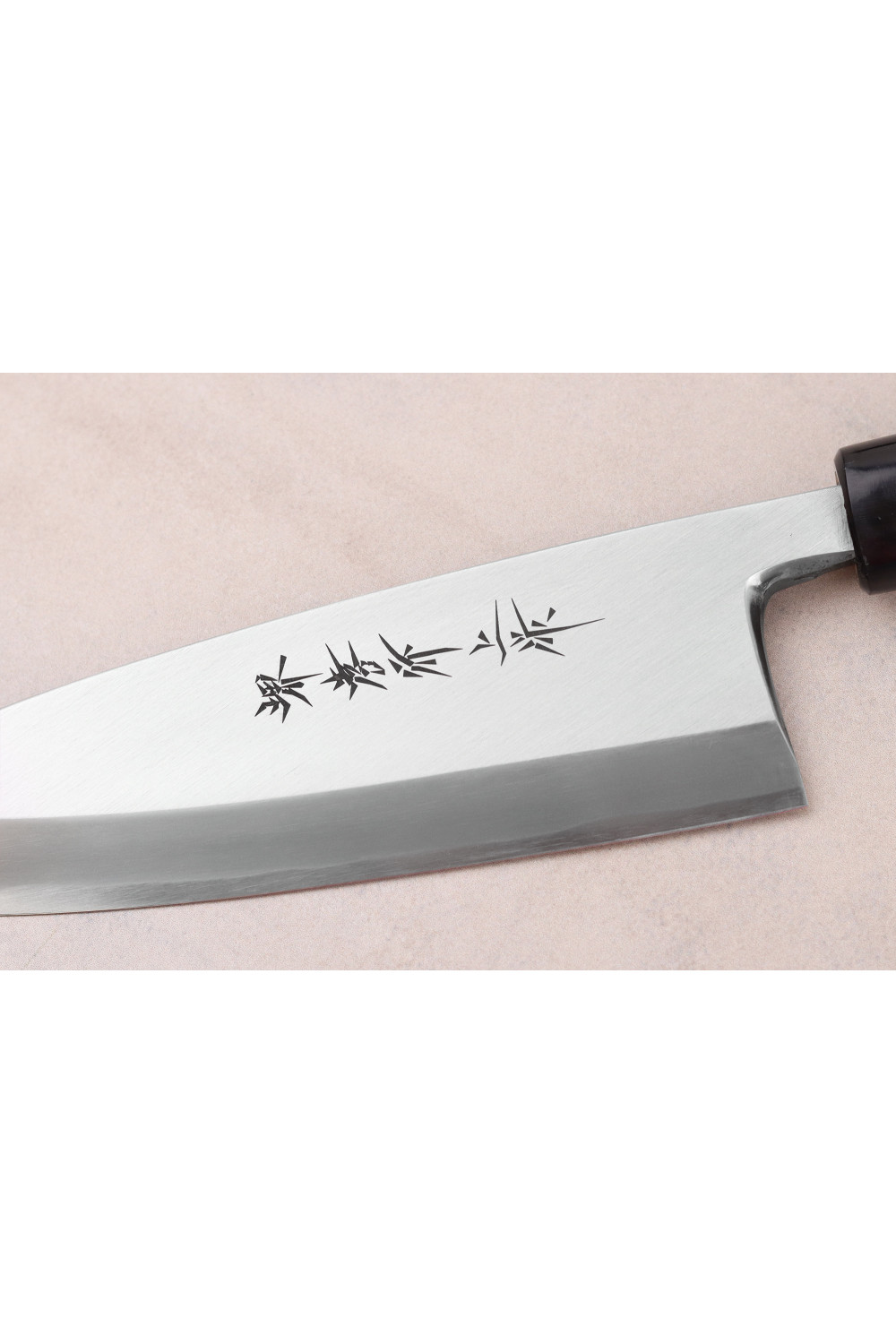
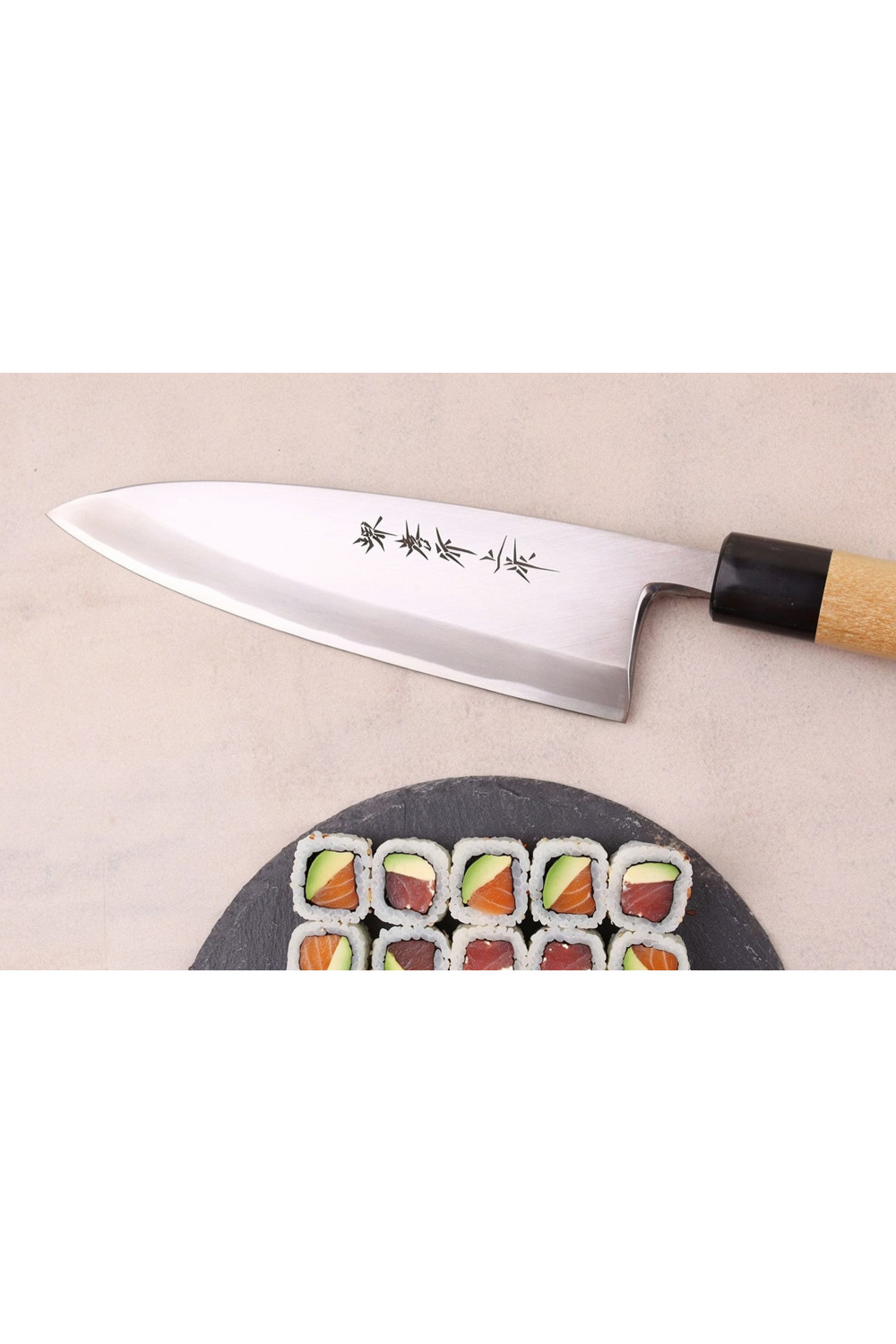
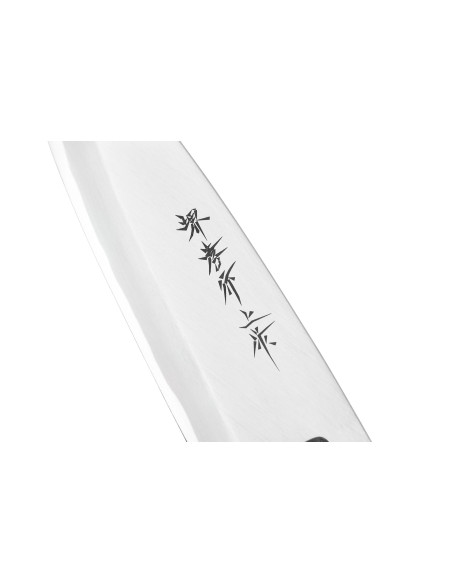
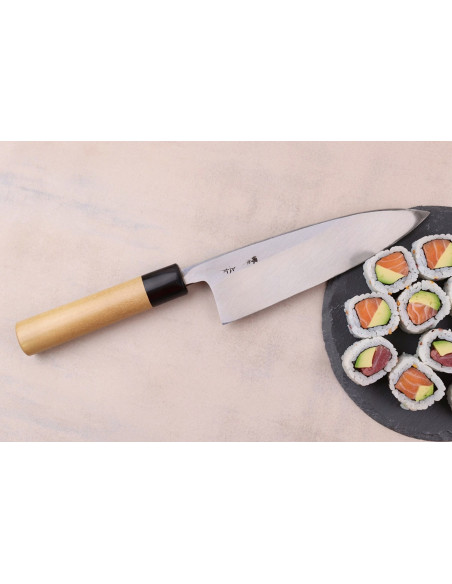
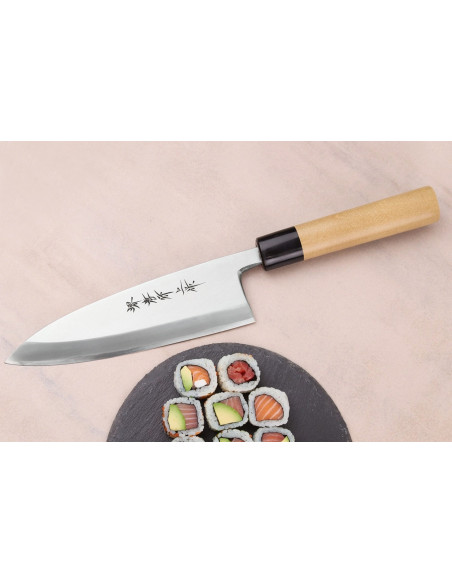
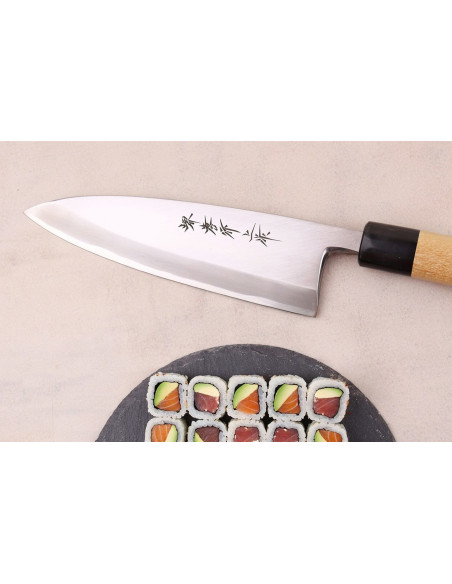
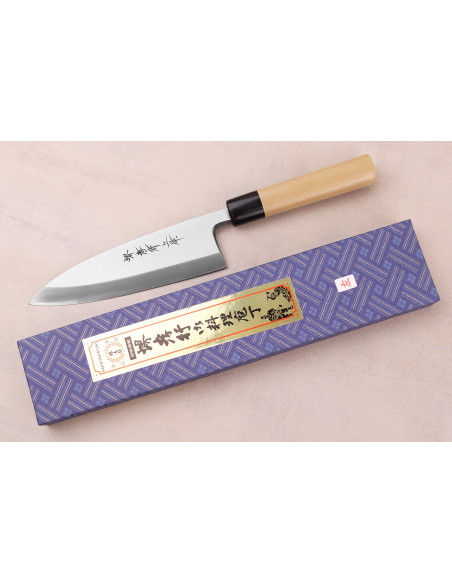
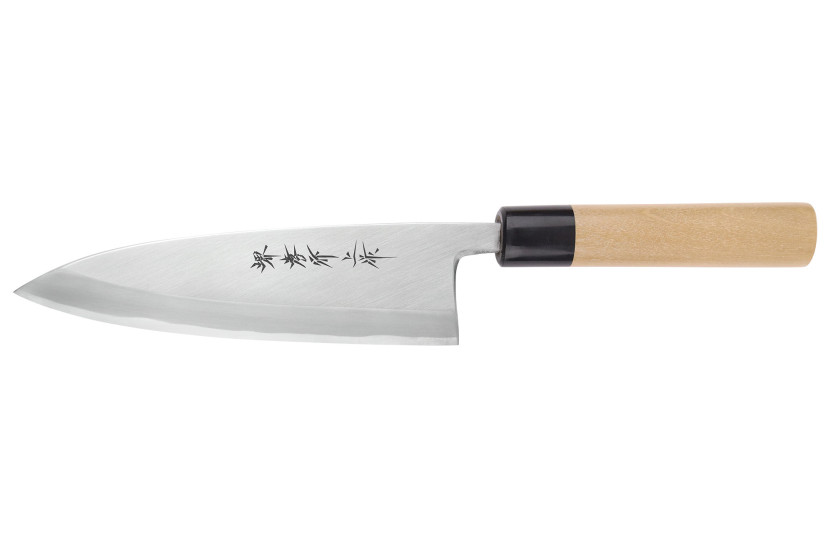
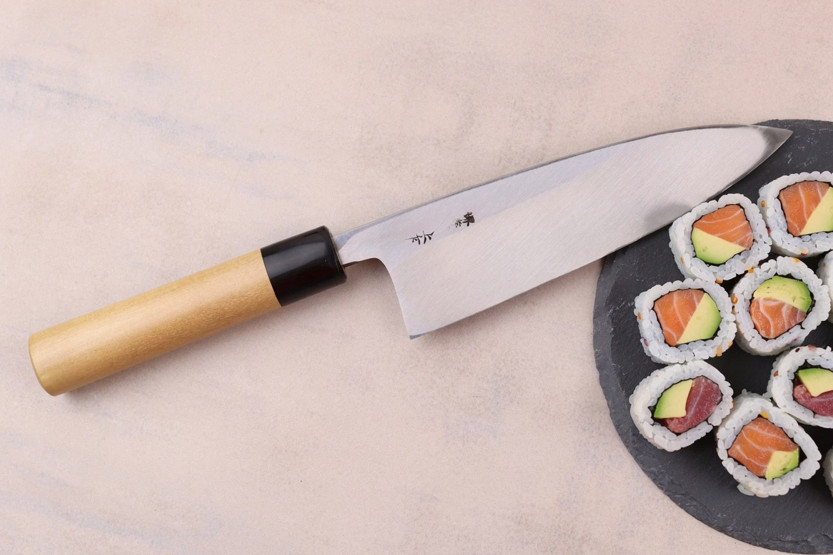
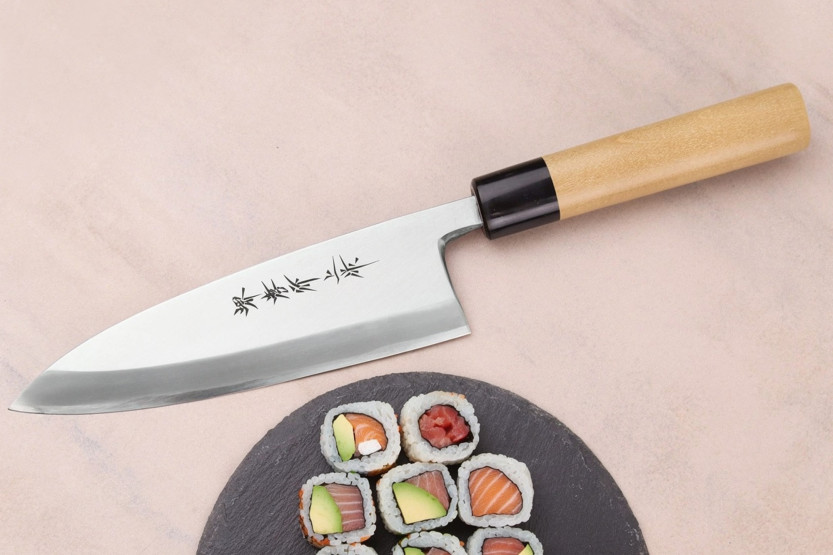
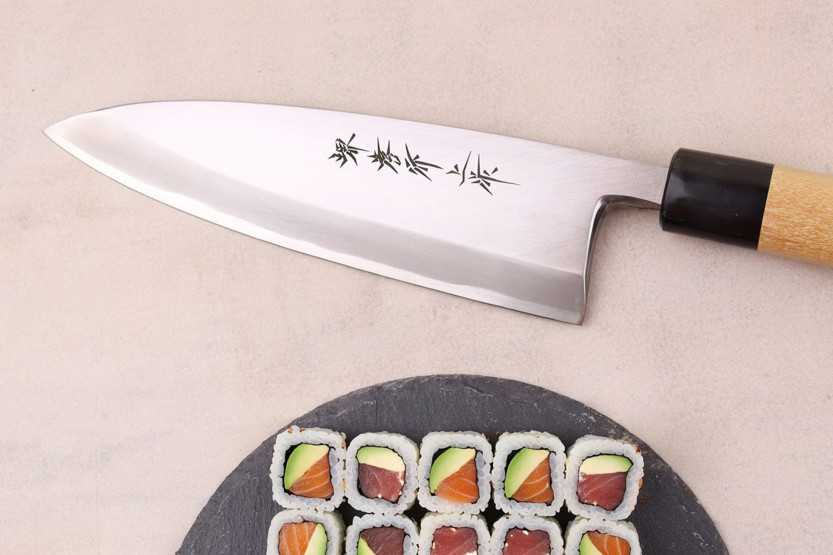
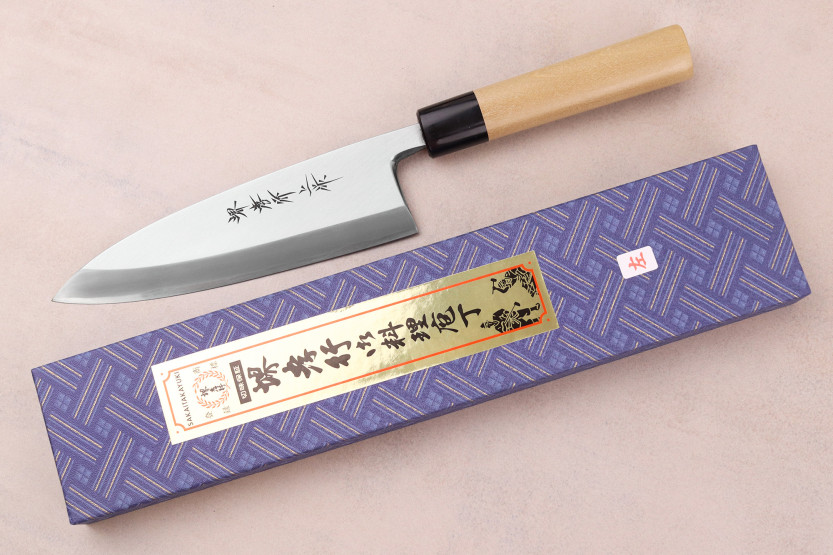
Made in Japan by Kenji Togashi and sharpened by Mitsuo Yamatsuka, this Sakai Takayuki Honkasumi Japanese deba knife is designed for precise fish preparation and cutting. Its 18-cm blade features a San Mai construction, consisting of a core of Shirogami #3 Japanese steel and outer layers of softer steel. Its asymmetrical grind is specially designed for left-handed users.
The deba is a sturdy Japanese knife traditionally used for filleting, portioning fish, and removing certain bones. Its thick blade allows for clean cuts while maintaining good control over the knife’s movement.
A sturdy and precise blade
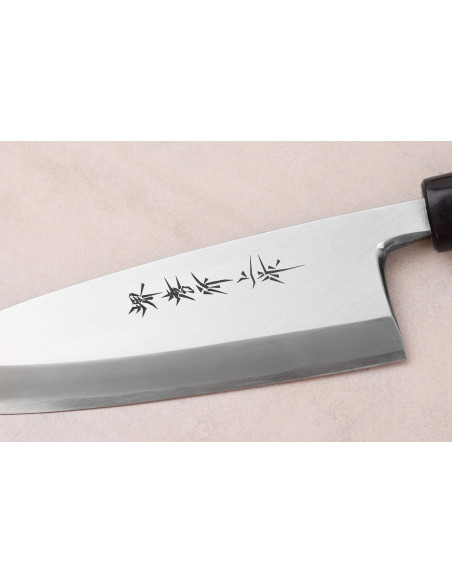
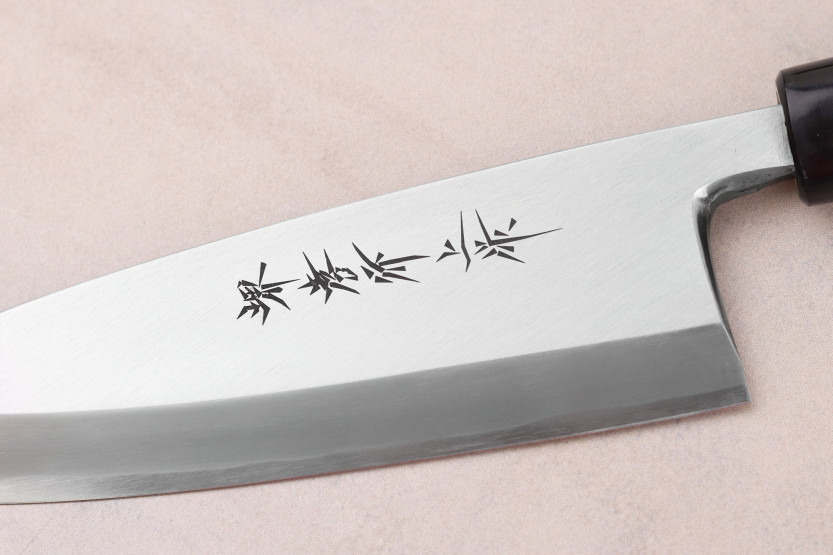
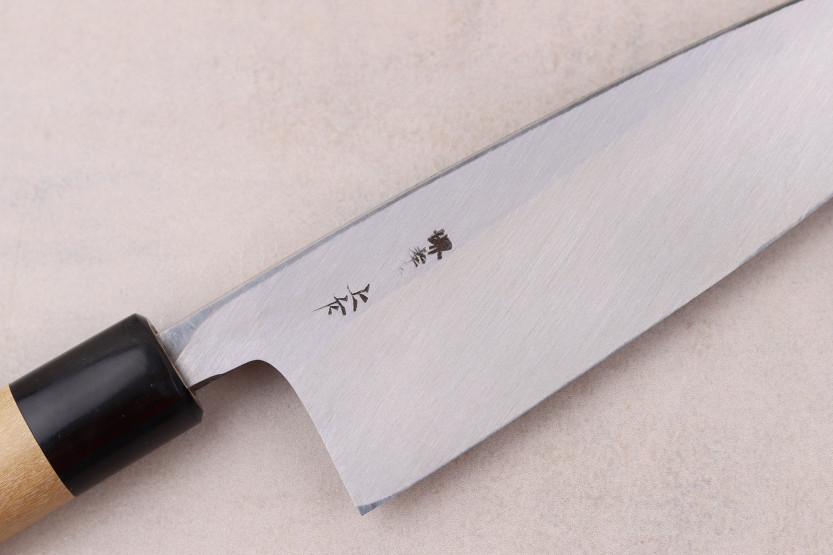
The 18-cm blade features a core made of Japanese Shirogami #3 steel, also known as White Steel Paper #3. This steel contains approximately 0.9% carbon and achieves a hardness of about 60 HRC. It produces a fine edge, ideal for precise cuts when preparing fish.
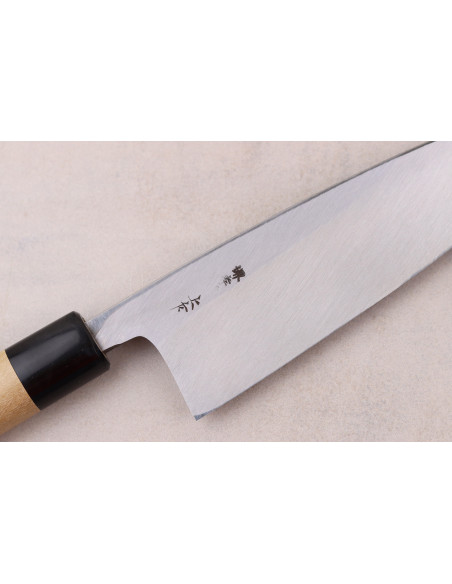
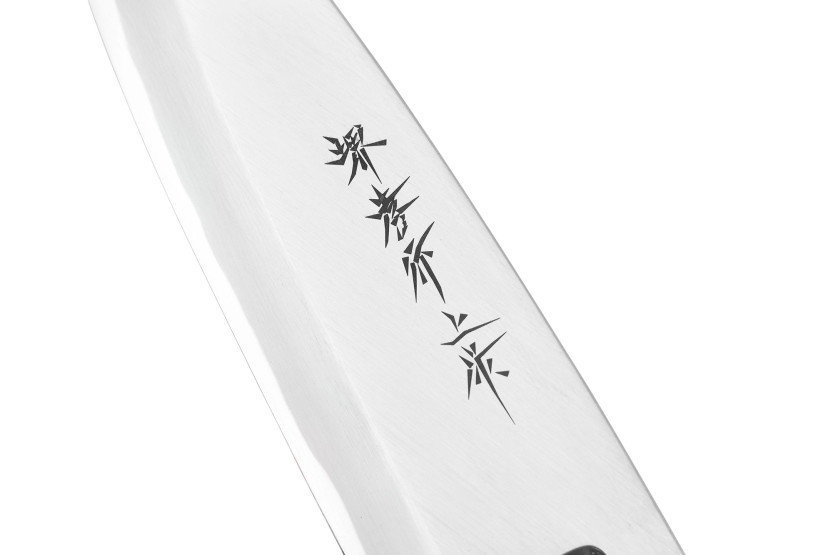
It is crafted using a traditional Sanmai structure, in which the hard steel core is encased in two layers of softer steel. This construction protects the central steel and enhances the blade’s resistance to the stresses associated with fish preparation. It also preserves the traditional appearance of handcrafted Japanese knives.
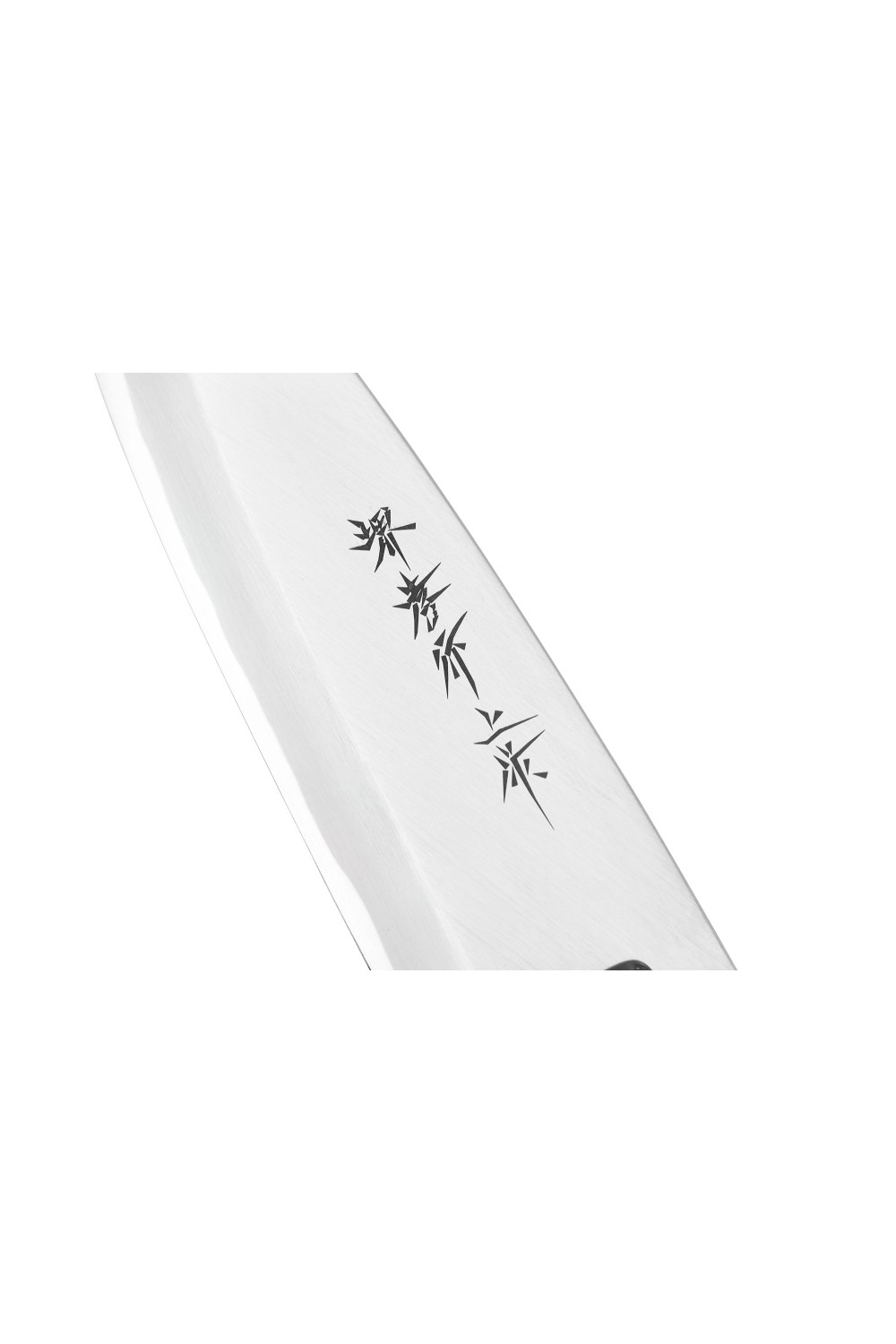
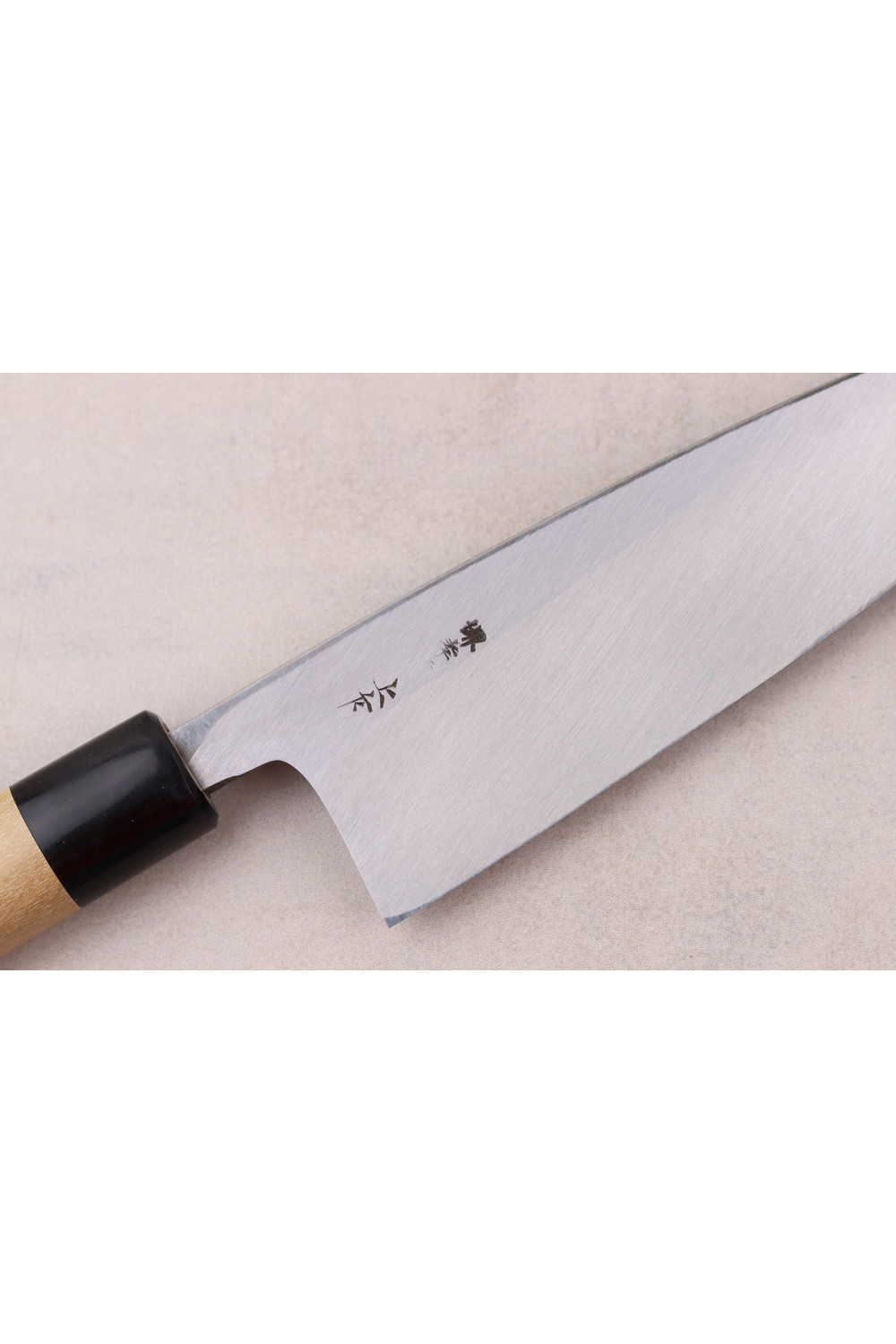
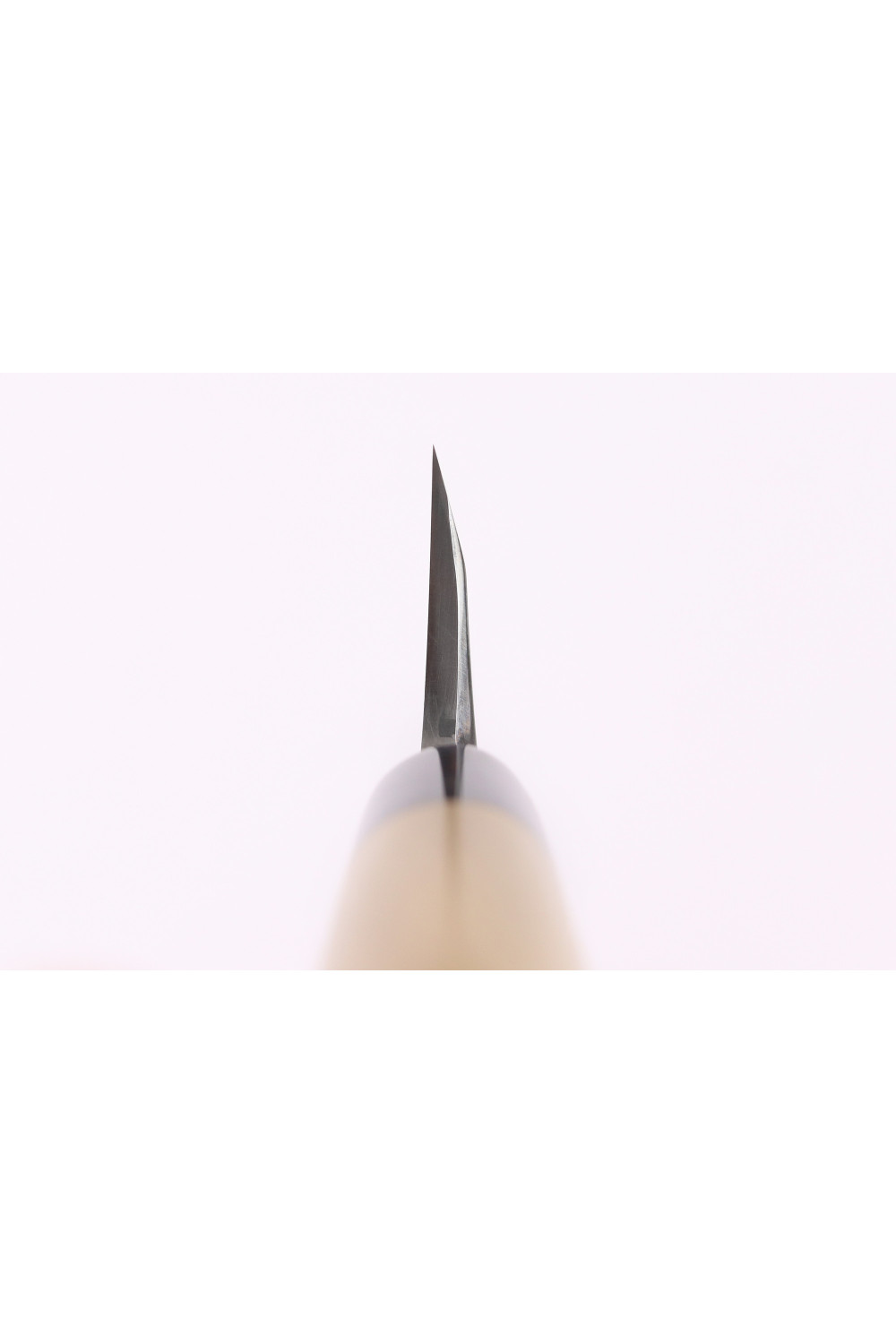
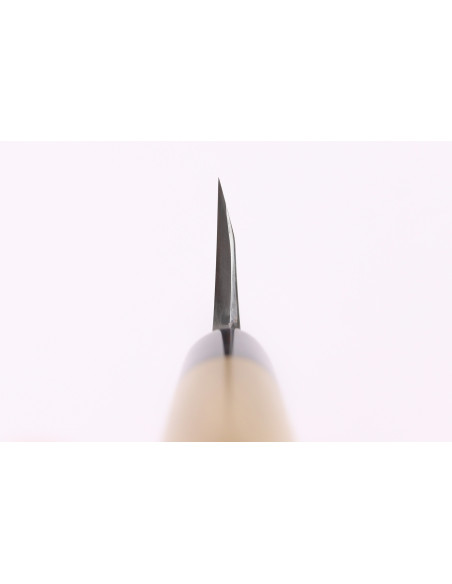
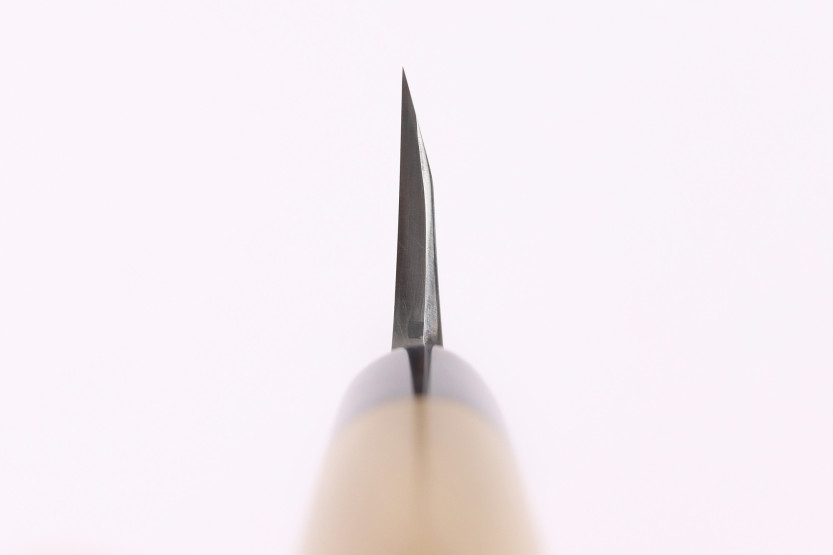
The asymmetrical grind is designed for left-handed users. The edge is positioned to naturally follow the left hand and guide the blade during cutting. The 18-cm size offers a good balance between maneuverability and cutting power for preparing whole fish, filleting, and making precise cuts.
A traditional Japanese handle
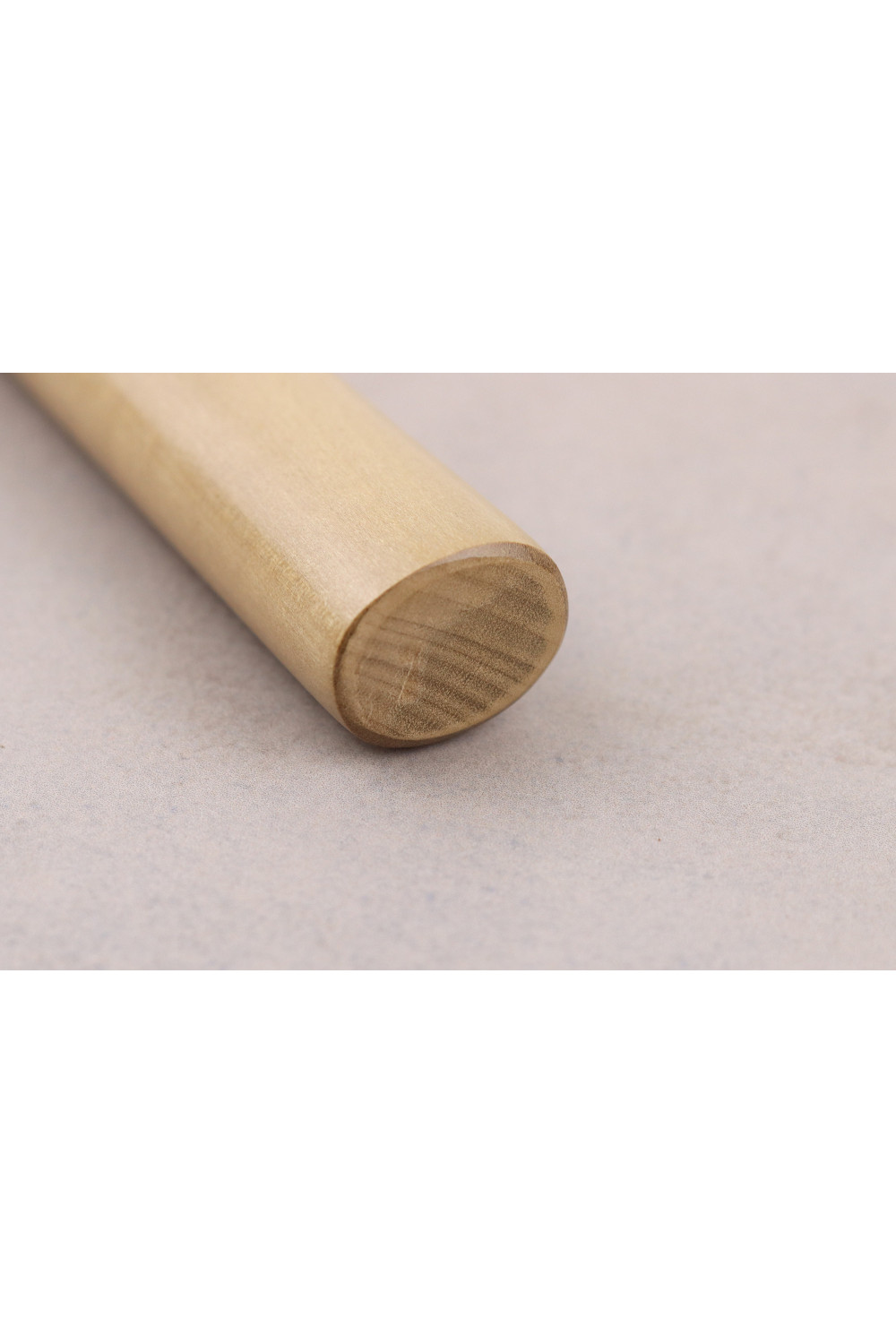
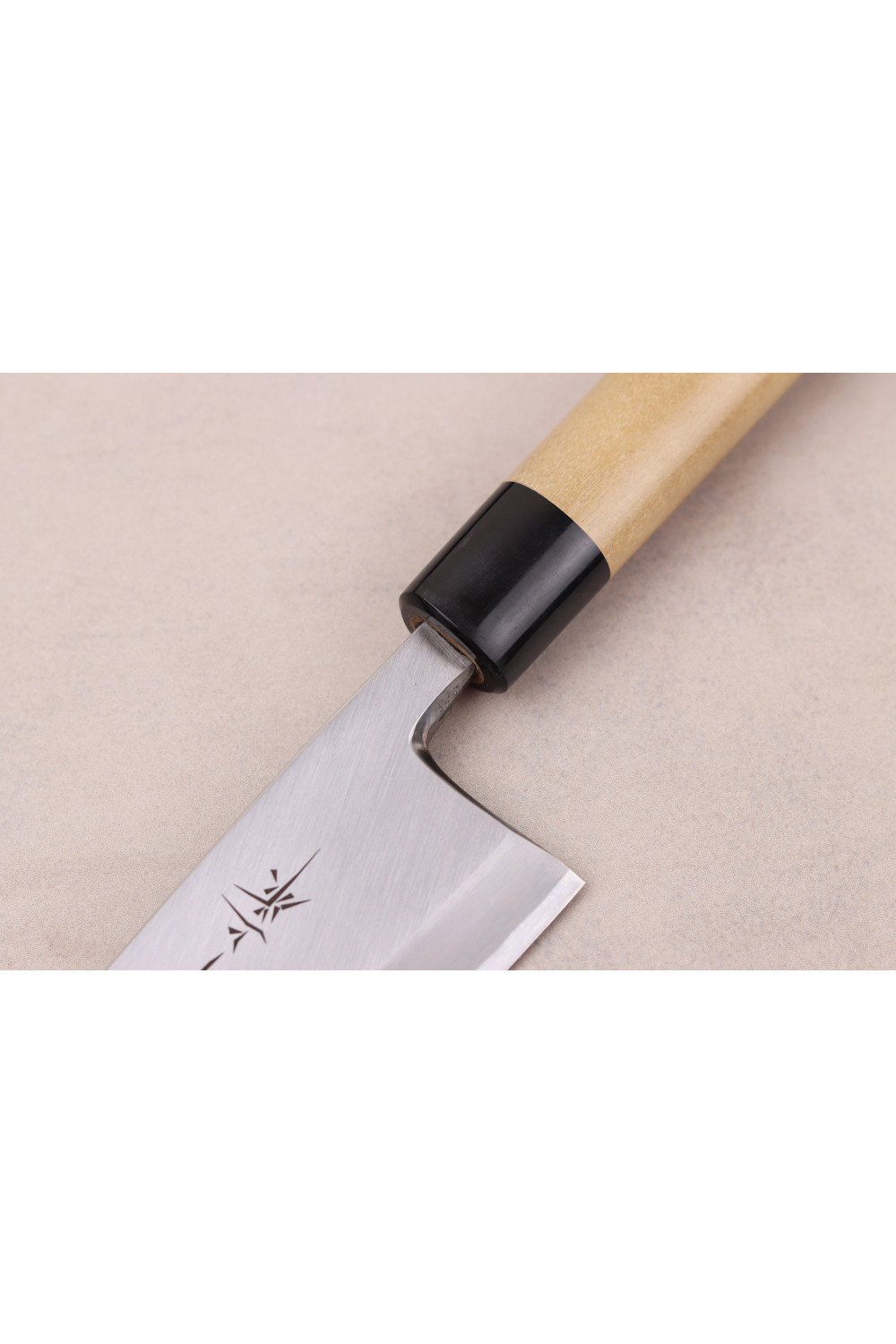
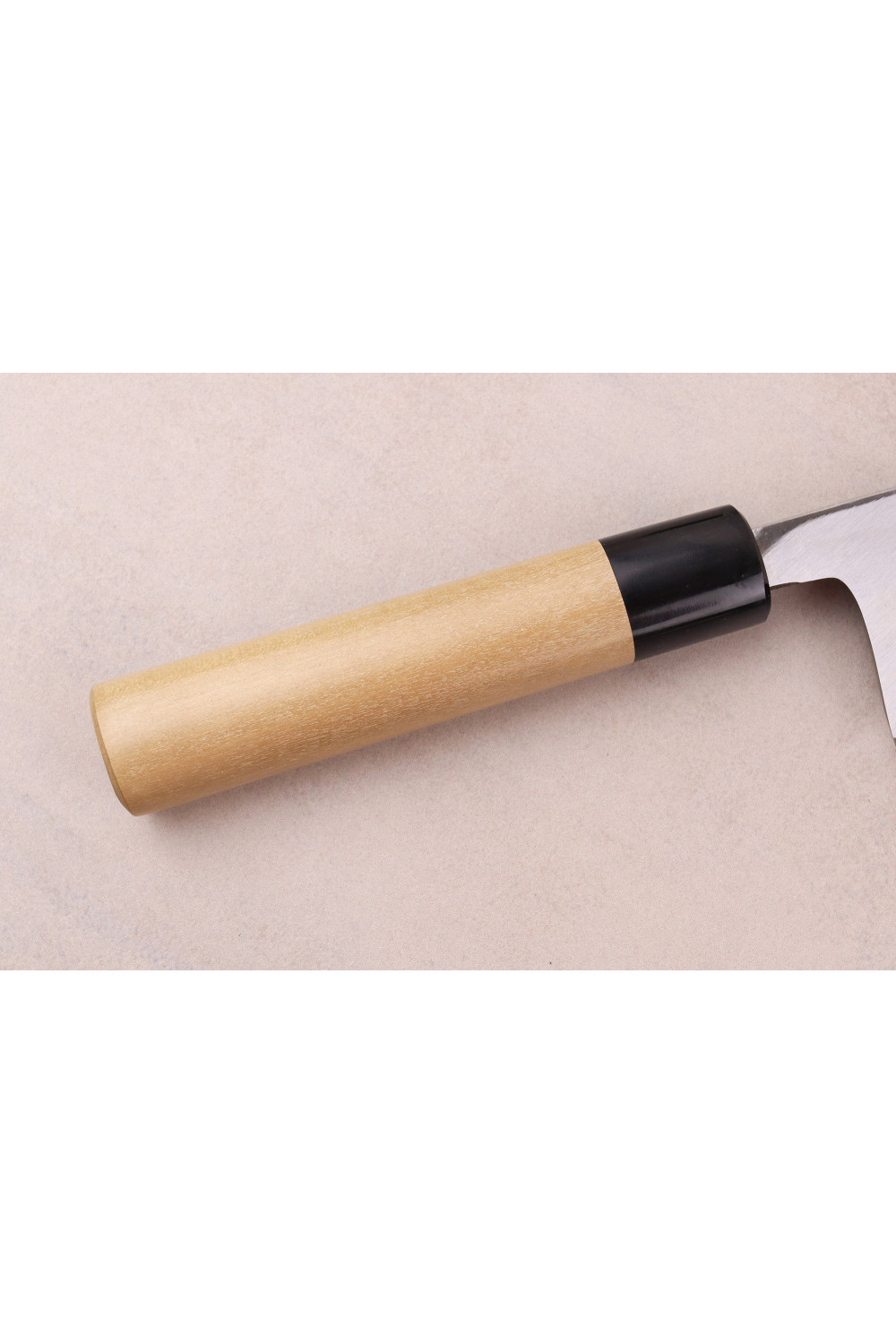
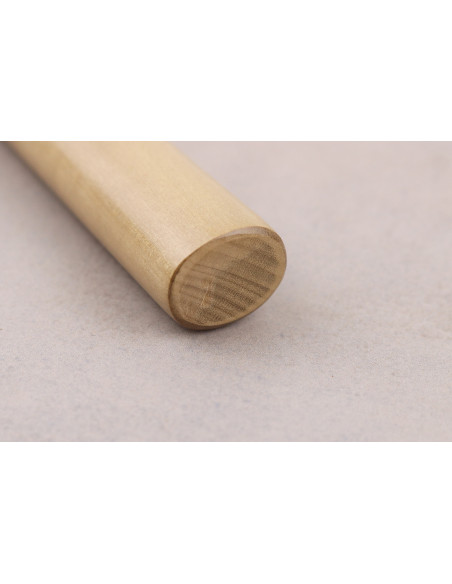
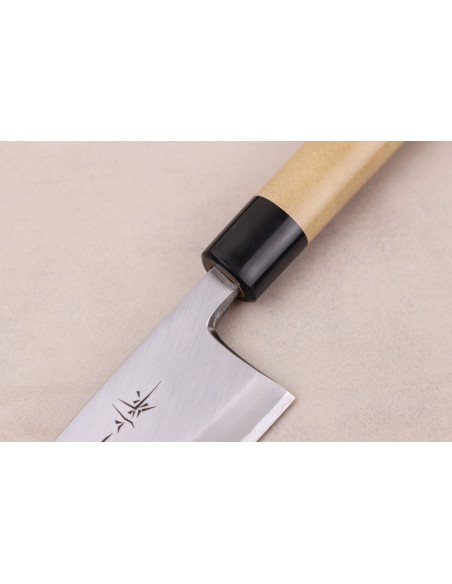
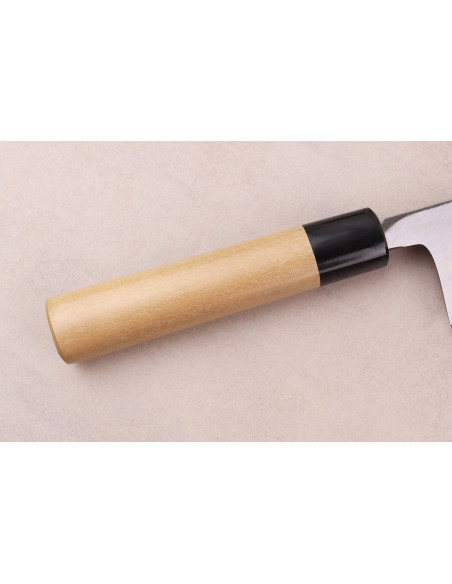
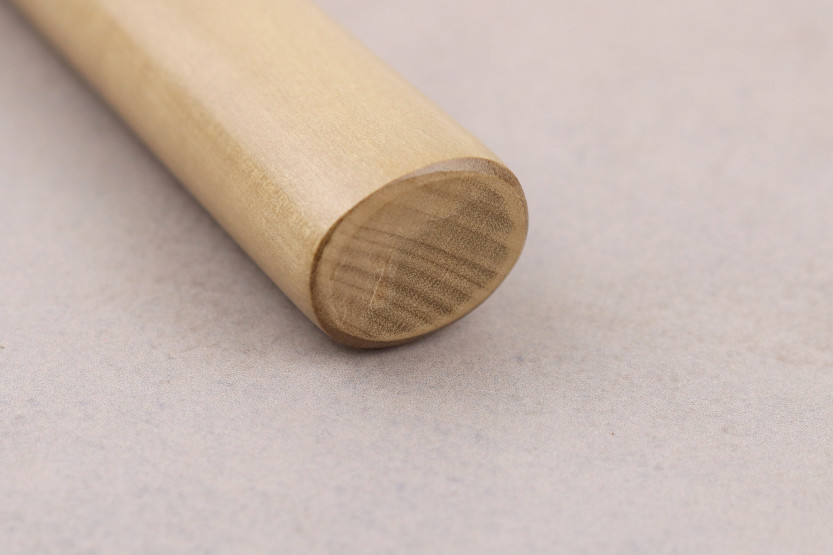
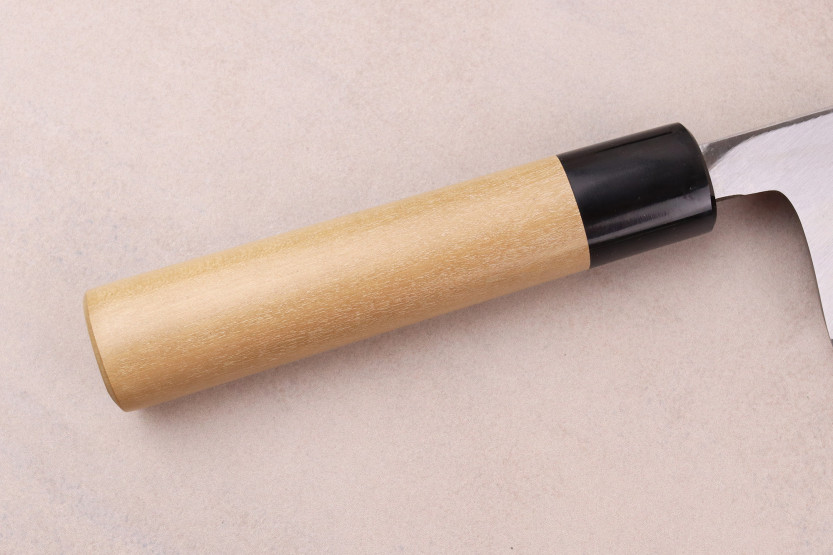
The magnolia handle has an oval shape that’s comfortable to hold and suited for precise movements. Its design offers a natural grip without requiring a specific orientation. The wood, which is lightweight and smooth to the touch, provides comfort during extended use.
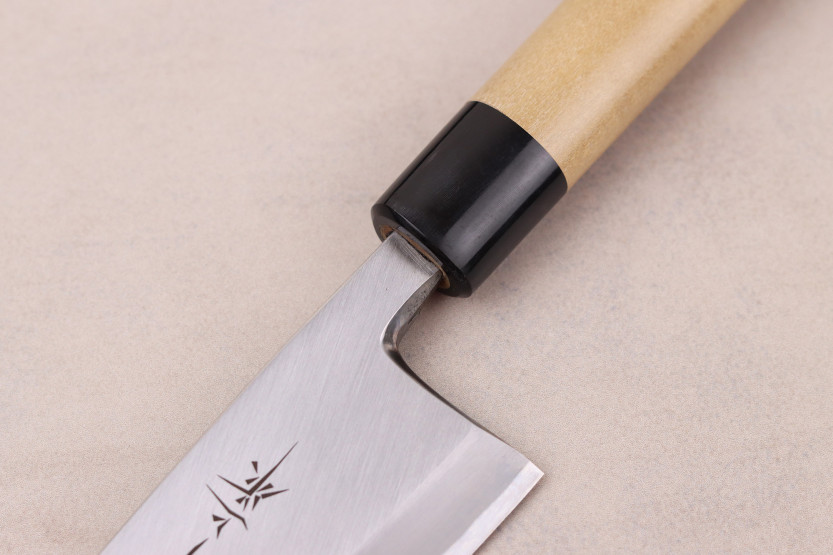
The black buffalo horn bolster provides a smooth transition between the handle and the blade. It adds a traditional finish and reinforces the joint. The combination of magnolia and black buffalo horn gives the knife a understated aesthetic, characteristic of handcrafted Japanese knives.
The oval shape makes it easy to change hand positions while maintaining good control of the knife. It is ideal for users looking for a balanced, lightweight handle that is comfortable to use on a daily basis.
Features and Benefits
-
- 18 cm blade: ideal for preparing fish
- San Mai construction: protects the hard steel core
- Shirogami #3 steel: provides a fine, precise edge
-
- Hardness
- of
- approximately 60 HRC: excellent edge
- retention Asymmetrical grind: suitable for
- left-handers
- Magnolia handle: soft to the touch
- Oval shape: natural and
- comfortable
- handling
- Black buffalo horn bolster: traditional finish
-
- Forged by Kenji Togashi: Japanese craftsmanship
- Sharpened by Mitsuo Yamatsuka: ready-to-use edge
- Made in Japan: in keeping with the Sakai tradition
How do I use and care for my handcrafted Japanese knife?
Use this deba knife on a suitable cutting board, with controlled movements. It is suitable for preparing fish, filleting, and removing certain bones. Do not use it on frozen foods, thick bones, or very hard items.
Wash the blade exclusively by hand with a soft sponge and a mild dish soap. Dry it immediately after washing. Do not use a dishwasher or an abrasive sponge. Store it in a dry place with appropriate protection to preserve the edge.
Sakai’s Expertise
This handcrafted deba knife is made in Japan for Sakai Takayuki, a company located in Sakai, Osaka Prefecture. This city is renowned for its history of cutlery making and its traditional manufacturing methods.
The blade is forged by Kenji Togashi, a Sakai craftsman renowned for his work with traditional Japanese carbon steel knives. His craft involves shaping the steel through forging, as well as the heating and heat treatment processes that determine the blade’s structure and hardness. For this model, he crafts a San Mai blade whose Shirogami #3 core is protected by layers of softer steel.
The sharpening is then performed byMitsuo Yamatsuka, an expert in the field. His work involves adjusting the geometry, the grind, and the cutting edge. He also performs the final sharpening on whetstones to achieve a consistent edge suitable for cutting. On this left-handed deba, this step ensures that the asymmetrical grind and the specific orientation of the blade are preserved.
The synergy of these two areas of expertise results in a blade tailored to the requirements of the Japanese deba. The forging, grinding, and sharpening are all performed in Japan using traditional artisanal methods.
Sakai Takayuki knives are available on Knifeleader.eu!


 By buying this product you can collect up to