The Wusaki knife that will become a kitchen essential
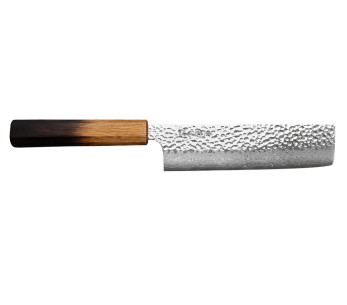
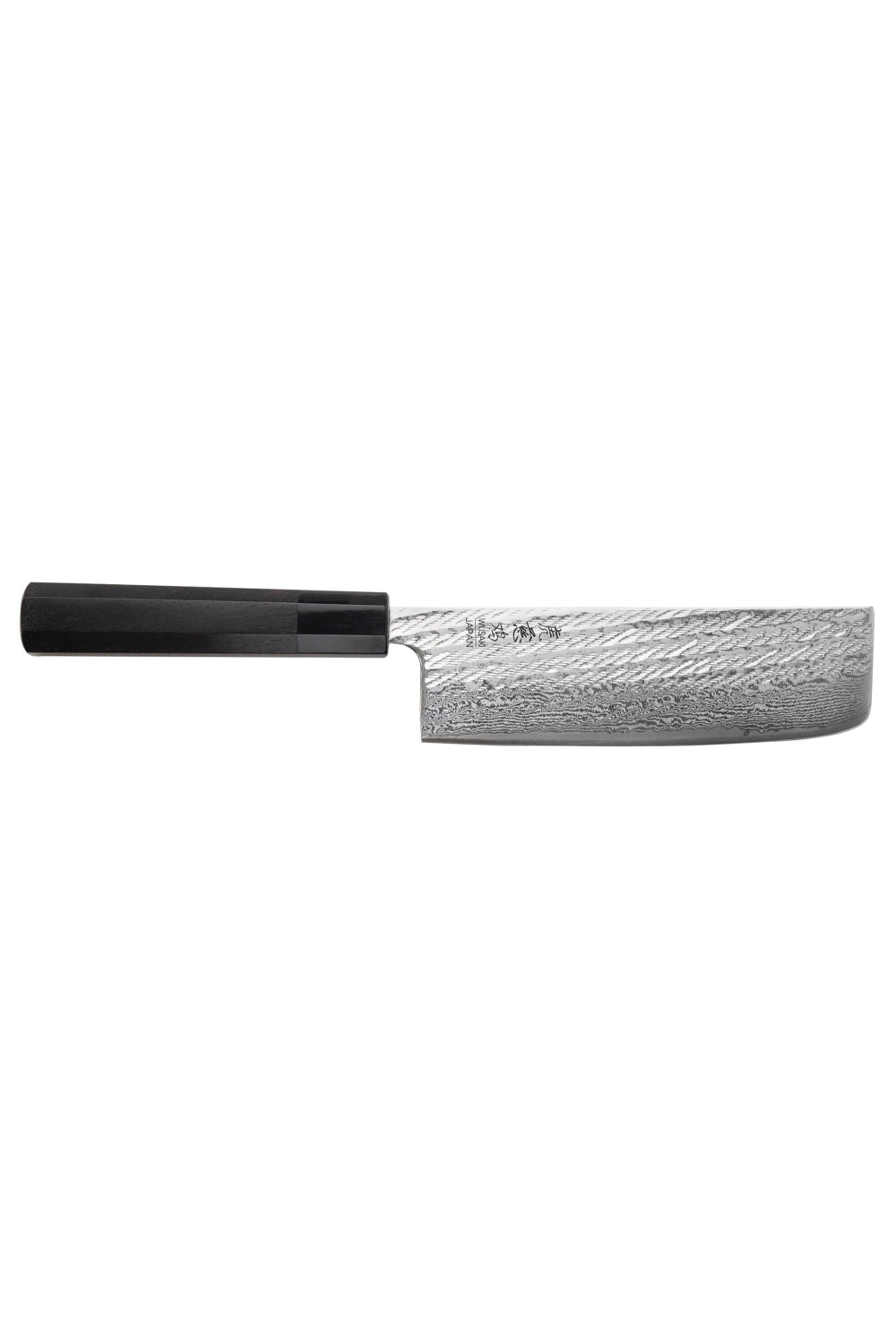
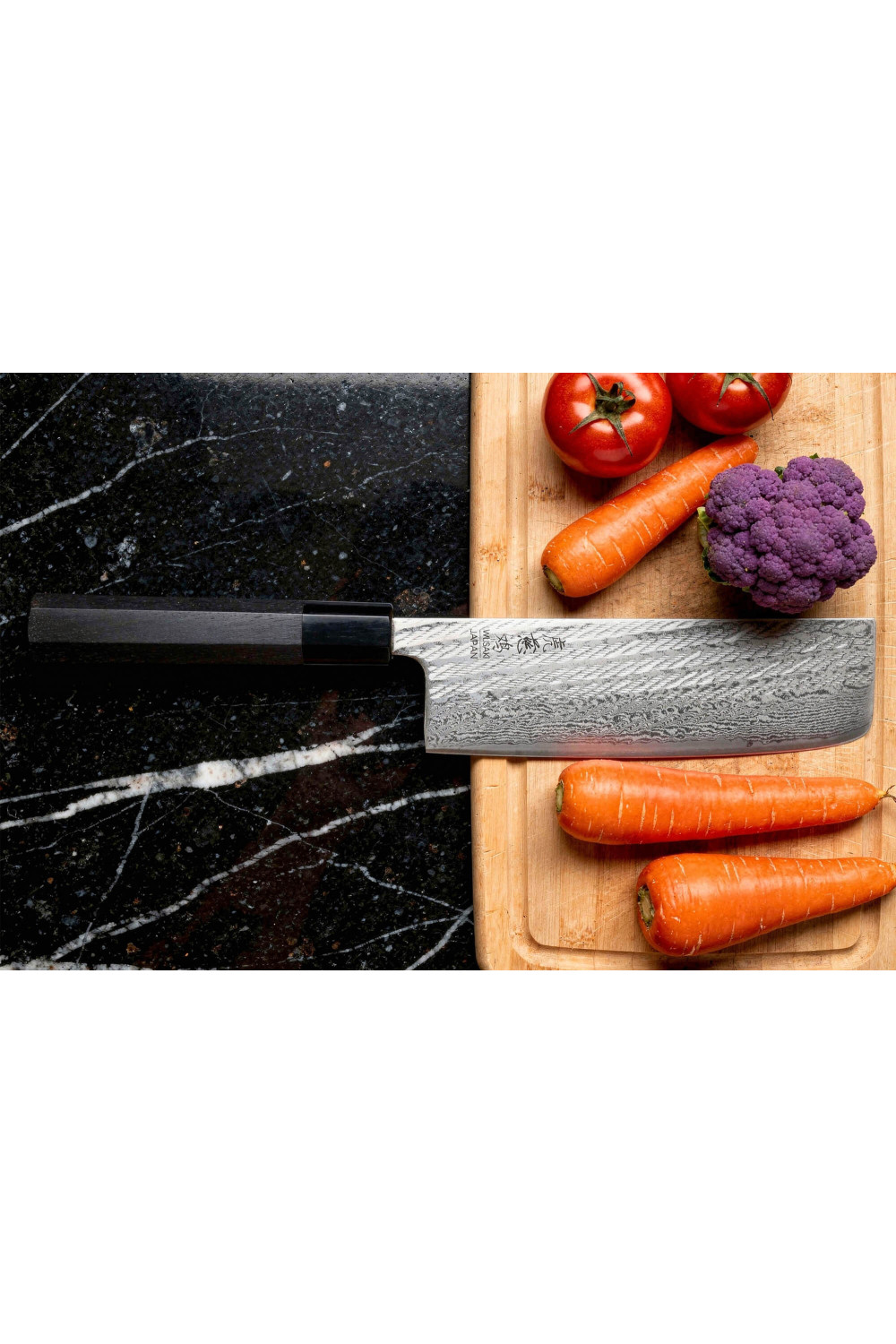
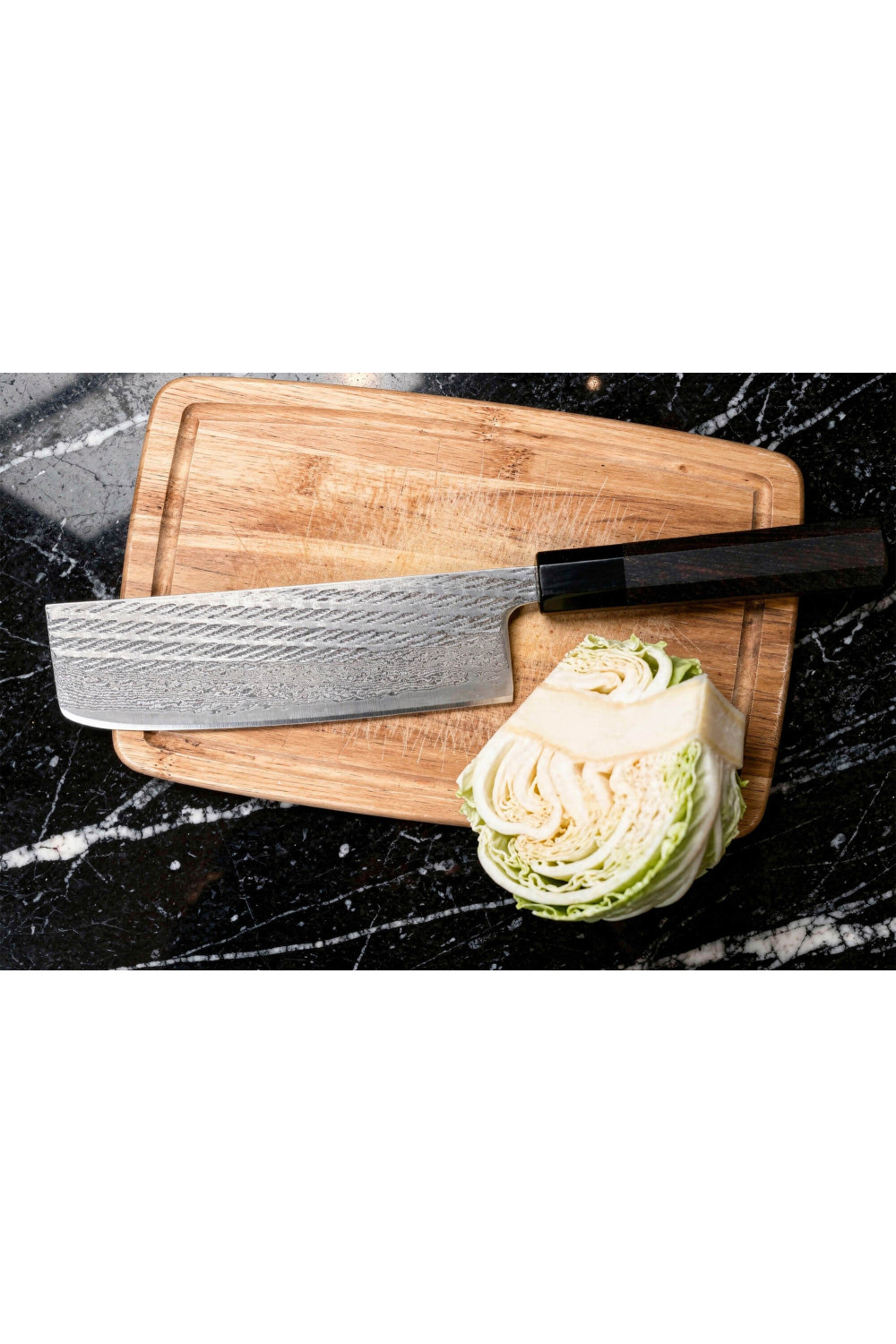
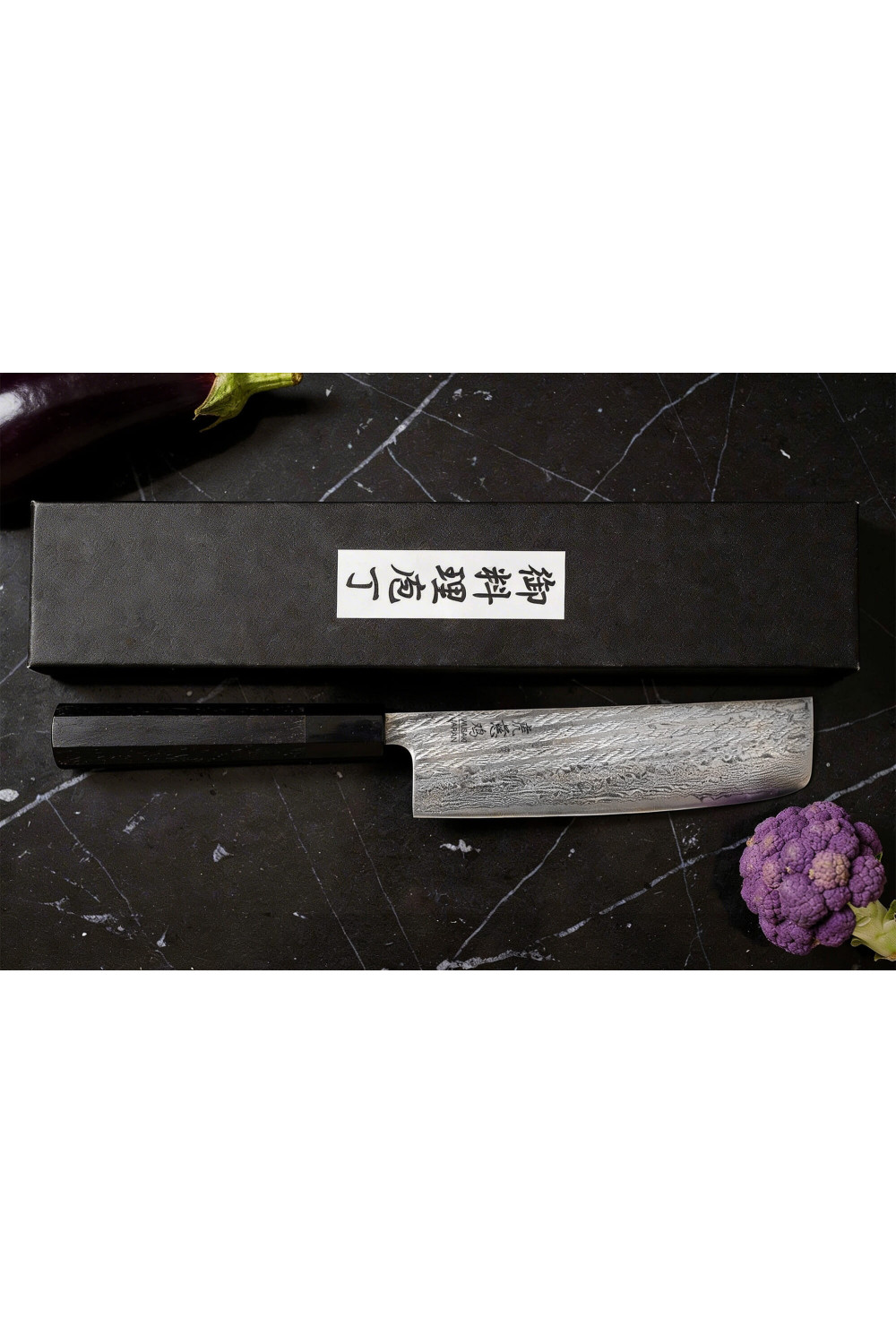
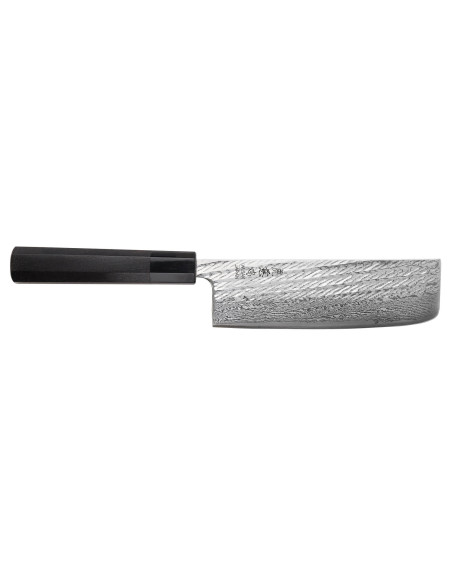
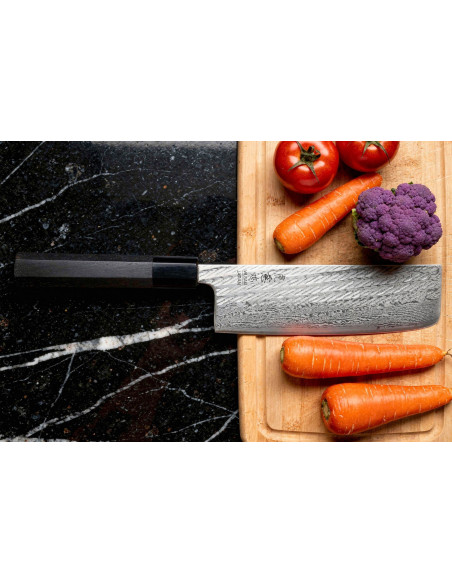
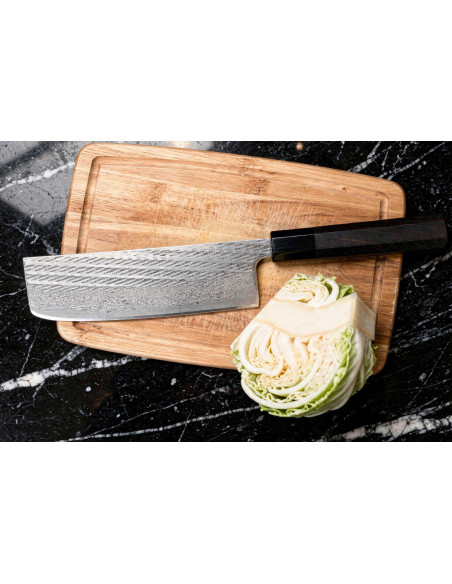
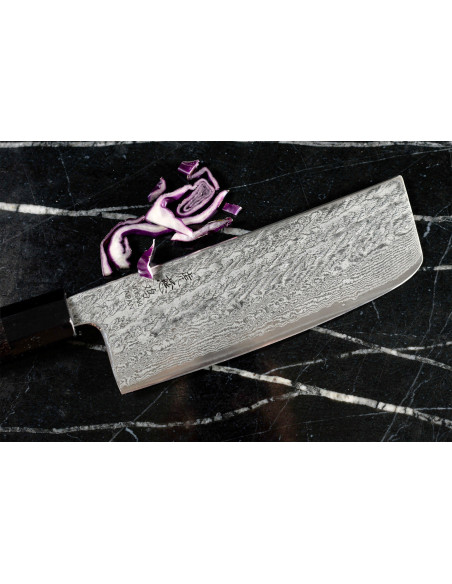
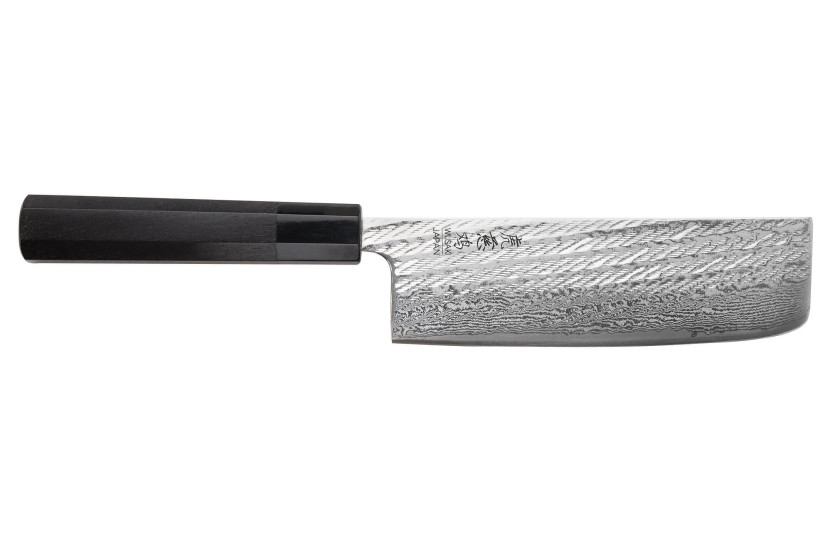
A handcrafted Japanese knife designed to enhance the cutting of vegetables every day! The Wusaki Kuronawa G3 damascus nakiri knife is made in Japan by Tsunehisa. Its traditional design, combined with high-performance materials, makes it a great ally when it comes to precision cutting of vegetables, fresh herbs and fruit (without the core, of course). Thanks to its 16.5cm rectangular blade, it favors a clean, even vertical motion.
An efficient damascus blade for your vegetables
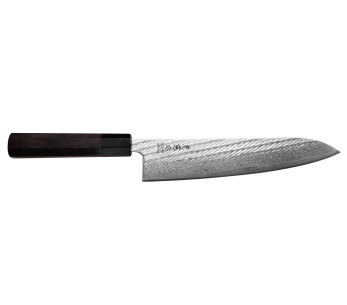
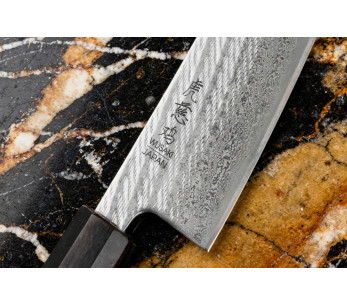
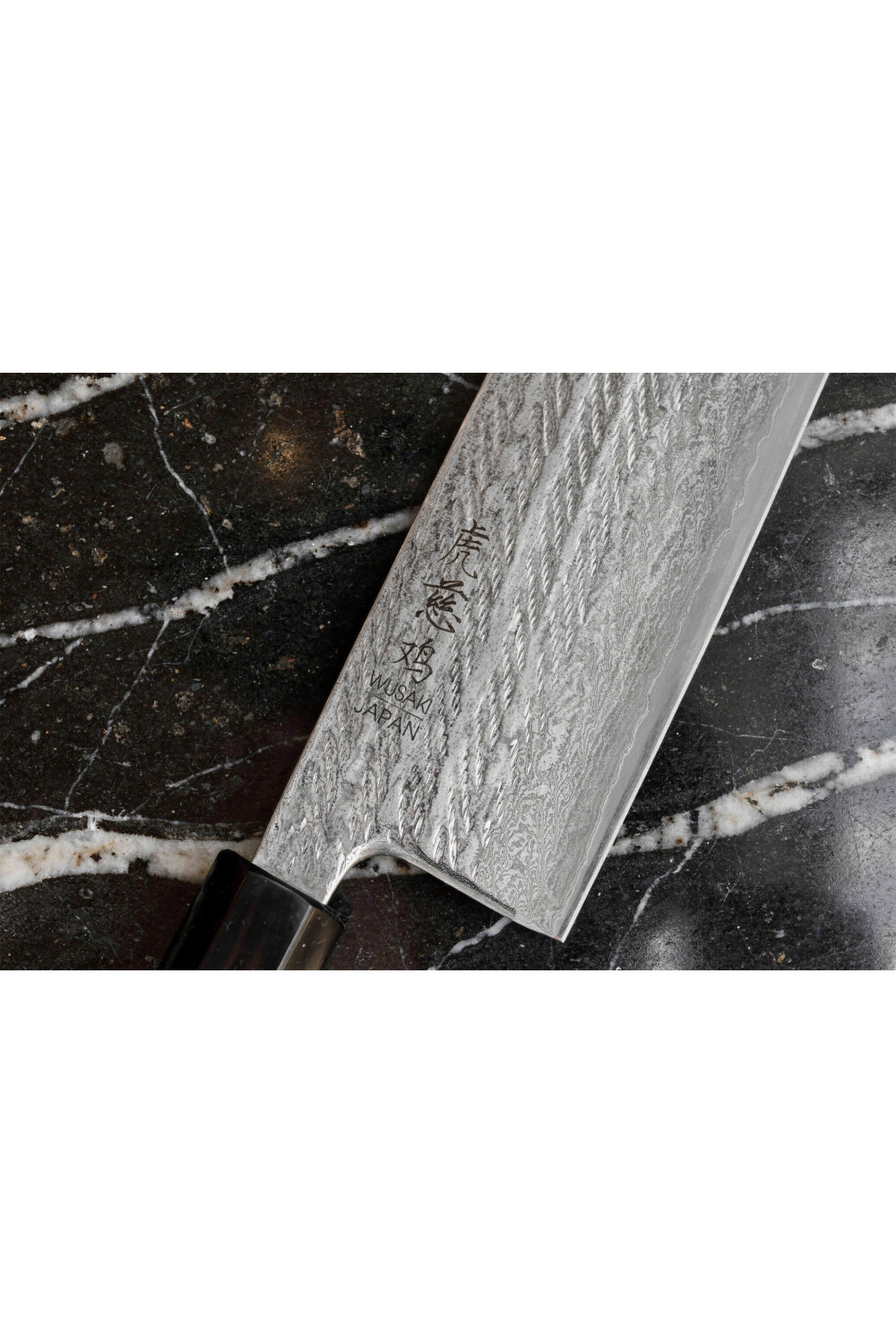
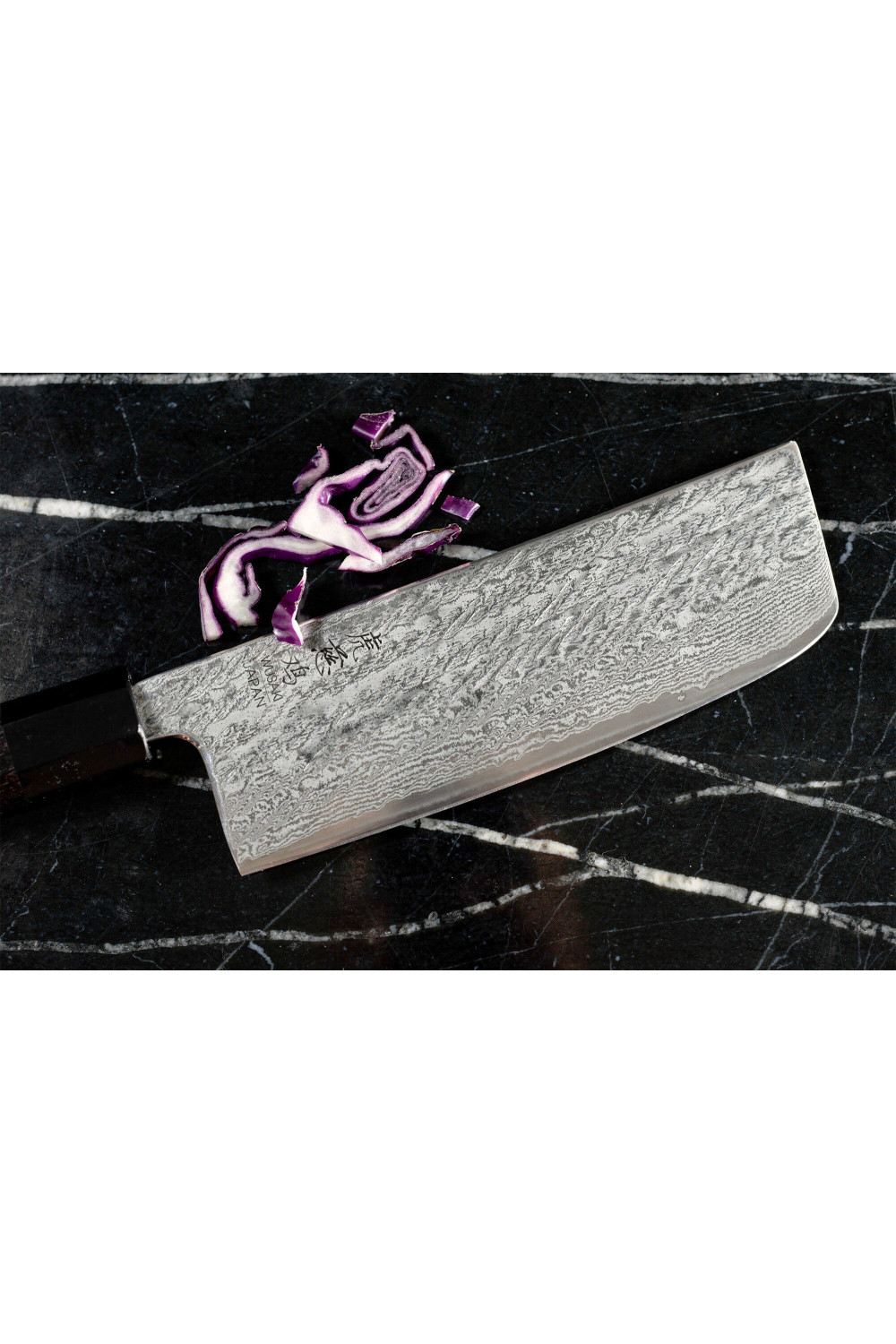
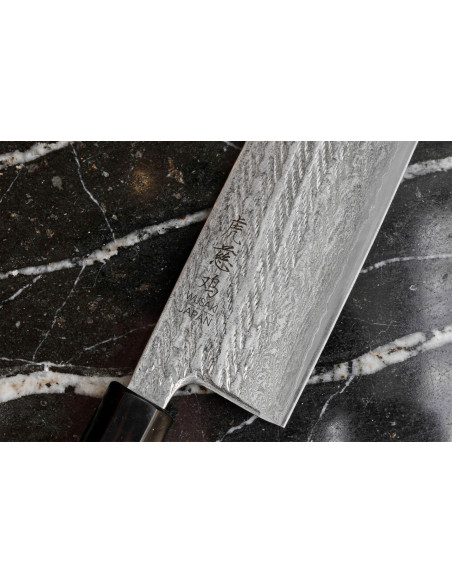
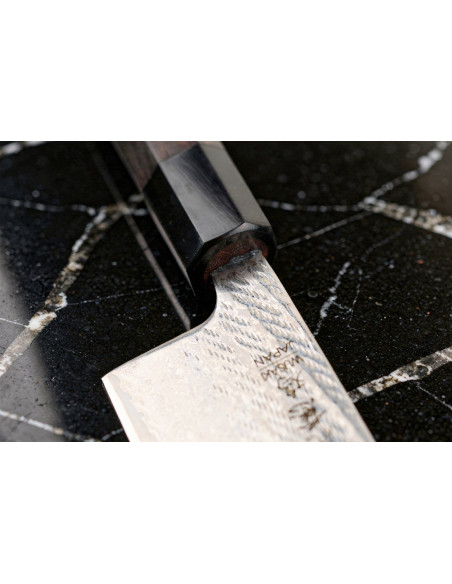
The 16.5cm blade features a damascened stainless steel structure, created by superimposing several layers of steel. This process improves cohesion while creating a distinctive wavy pattern on the blade's surface. The core is made of Japanese Ginsan (G3) steel, a stainless alloy containing around 0.95% carbon. This composition ensures a precise cutting edge.
The Ginsan core is wrapped in softer stainless steel, contributing to the overall balance of the blade. In fact, the outer layers balance the hardness of the core to prevent it from becoming too brittle. Heat treatment raises the hardness to 59/60 HRC Rockwell, ensuring good edge retention while retaining stone-accessible sharpness.
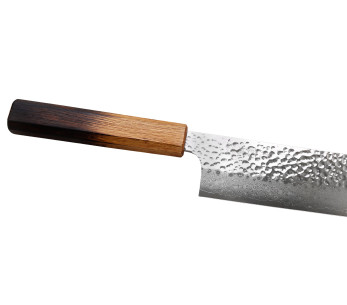
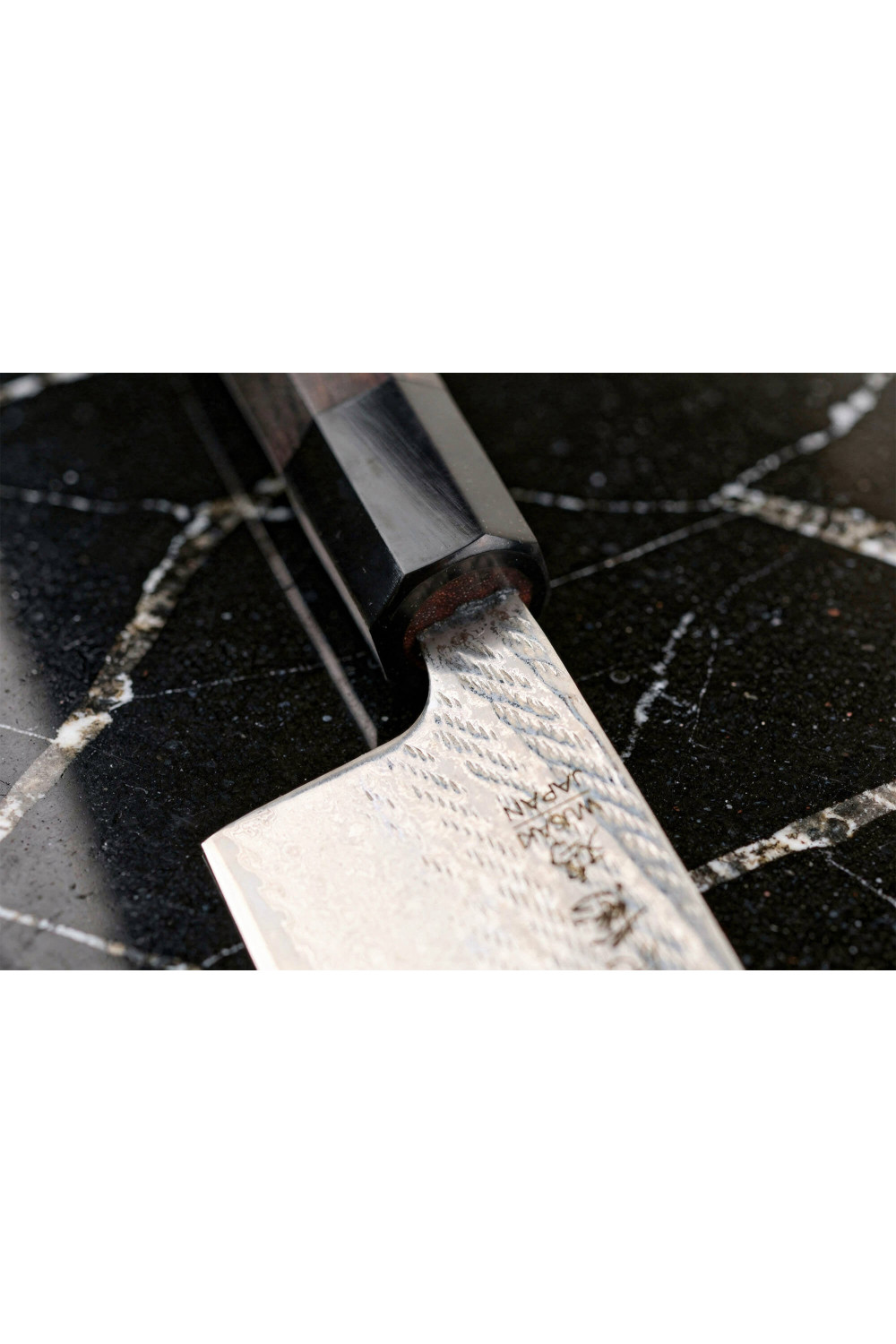
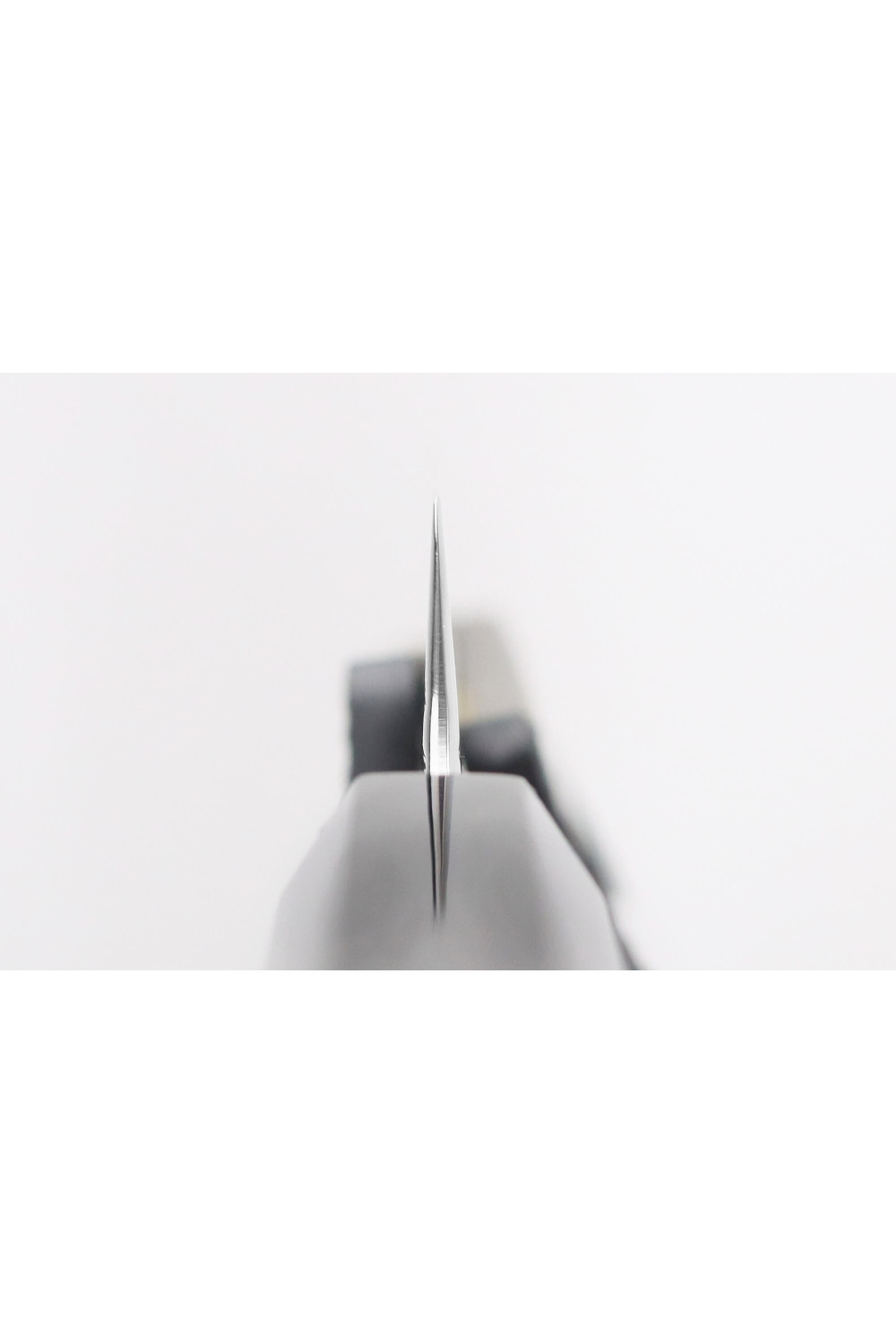
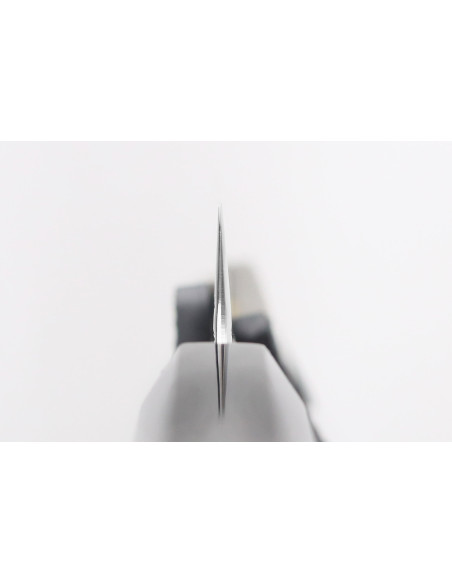
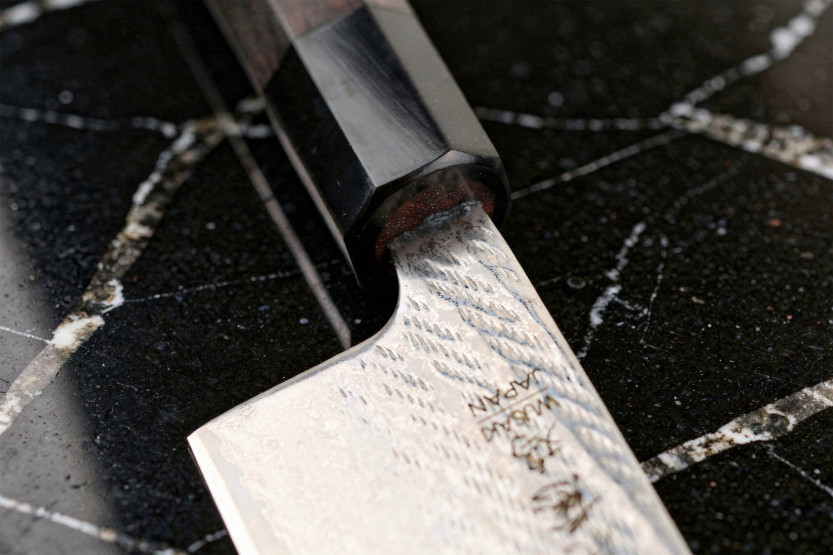
Innovative hammering forms fine cavities on the upper part of the blade, limiting the adherence of food when cutting. The mirror finish enhances the damask pattern and improves glide, while theflat cutting edge guarantees a clean, even cut for vegetables.
An ebony handle with deep nuances
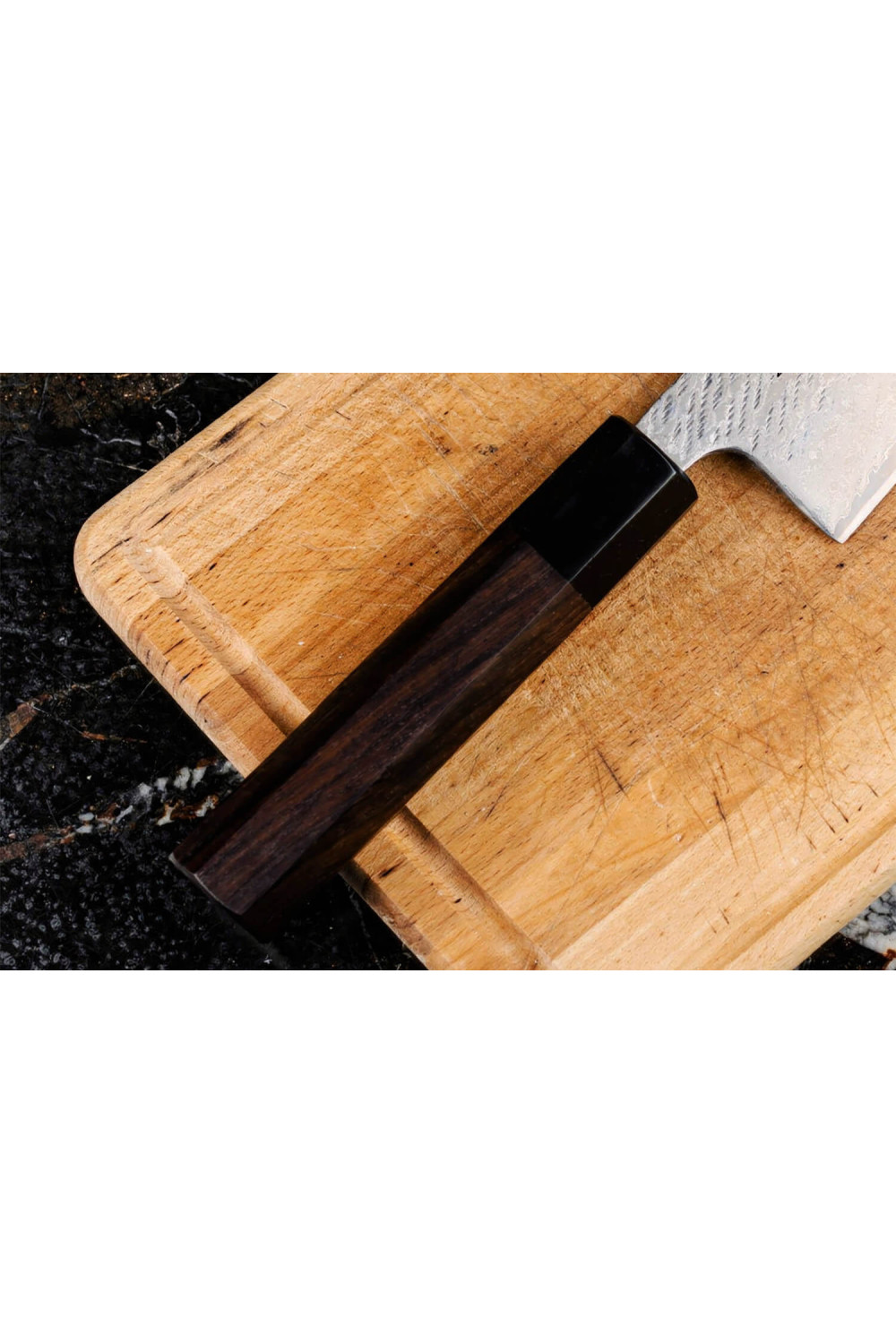
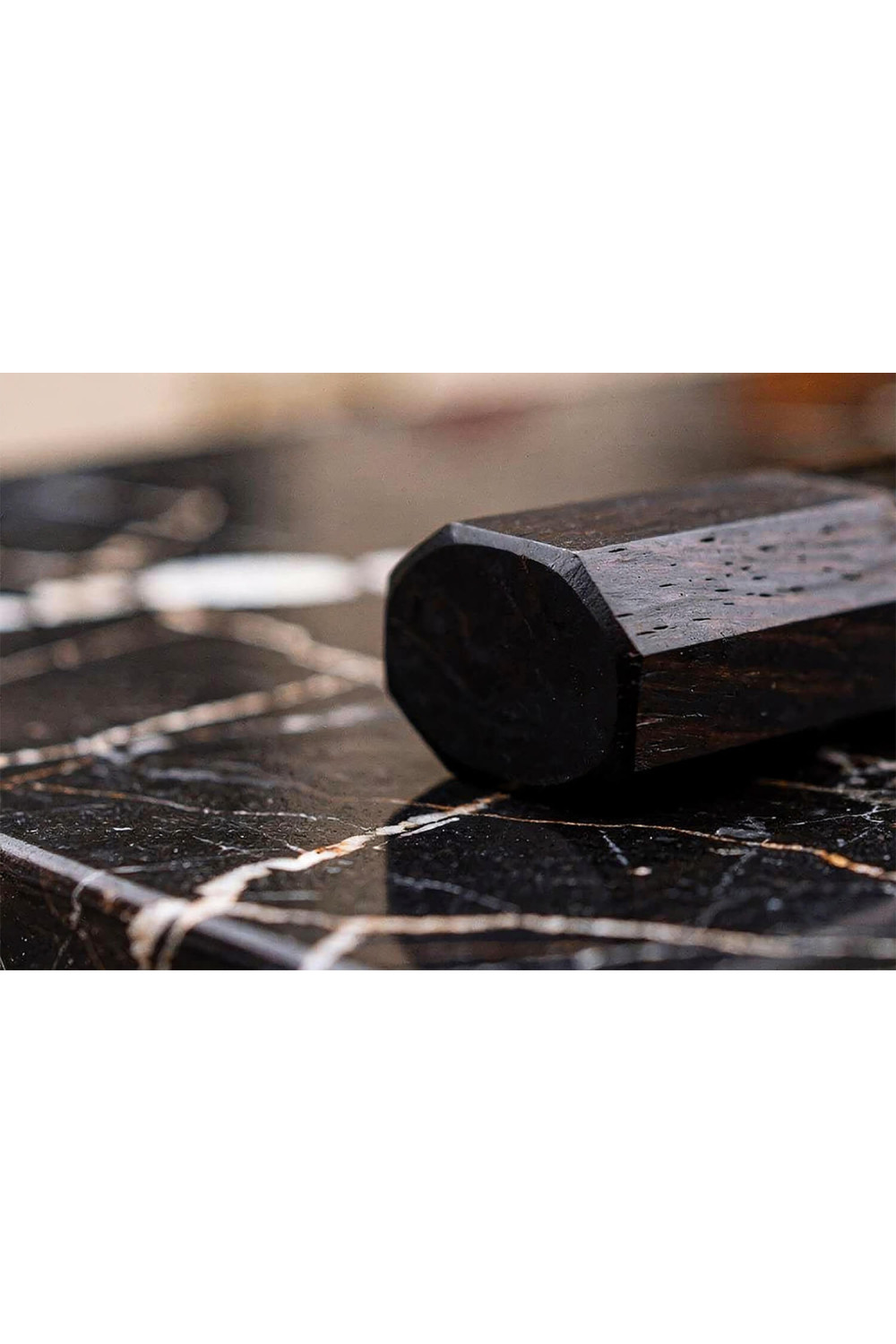
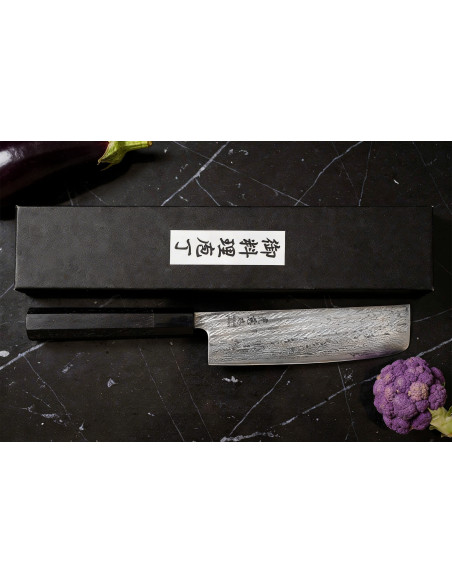
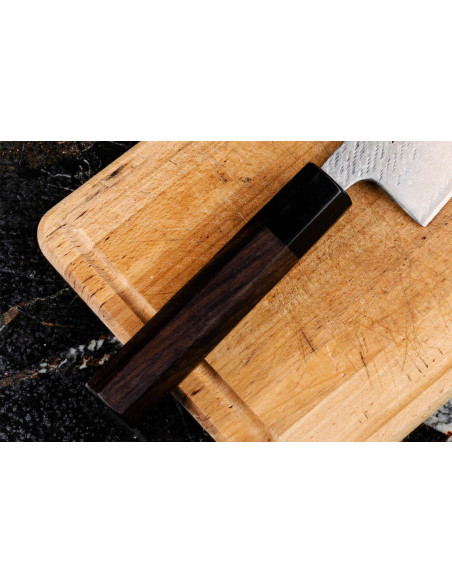
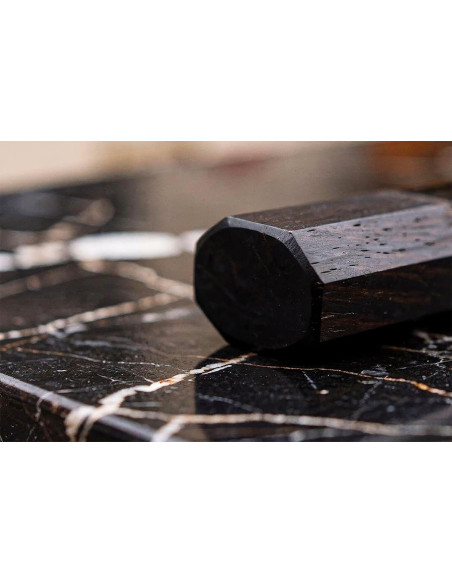
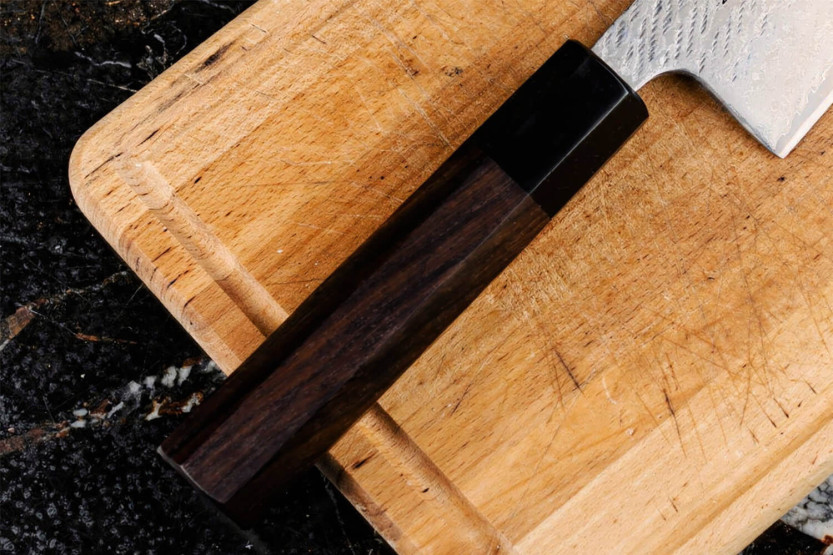
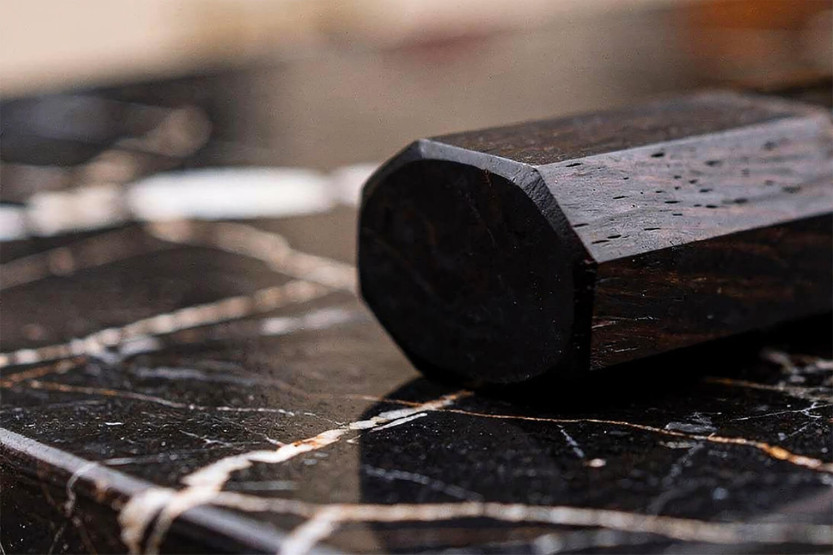
The handle is made from ebony, a dense wood renowned for its natural resistance to humidity. Its deep hue contrasts perfectly with the metallic lustre of the blade.
Octagonal in shape, it is suitable for both right- and left-handed users. This geometry promotes a stable grip and good control. The overall balance limits fatigue during prolonged use.
The black buffalo horn bolster reinforces the junction between blade and handle.
Features and benefits of your Wusaki Japanese knife
- 16.5cm nakiri blade: precise vertical cutting thanks to a rectangular blade
- Stainless steel damascus structure: good balance of steels and unique pattern
- Ginsan
core- 0.95% carbon: precise cutting edge
Hardness- 59/60 HRC: good edge retention
- Superior hammering: food detaches more easily and unprecedented visual appeal
- Mirror finish: improved glide
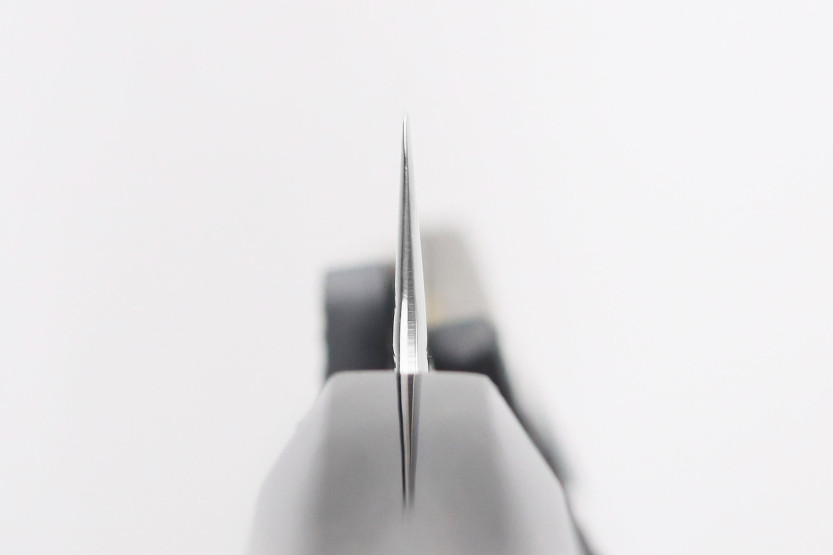
- Flat bevel: clean, even cut
- Octagonal ebony handle: ambidextrous stability
- Buffalo horn
bolster
- : reinforced joint
- Japanese craftsmanship: mastered quality
Use and care
Hand-wash your Japanese knife with a soft sponge, using a neutral soap. Dry immediately after cleaning to avoid any traces of moisture on the surface. Do not use the dishwasher or soak it in the sink. For sharpening, use a stone suitable for Ginsan steel, maintaining an even angle. You can store it in its box, in a knife block or on a magnetic bar.
Tsunehisa know-how
Tsunehisa cutlery collaborates with various Japanese workshops to offer meticulously crafted knives. It selects renowned steels such as Ginsan and favors traditional assemblies with noble wooden handles. Impeccable finishing and meticulous assembly testify to a genuine respect for traditional Japanese techniques.
See our full selection of sharpening stones to equip yourself properly!






 By buying this product you can collect up to