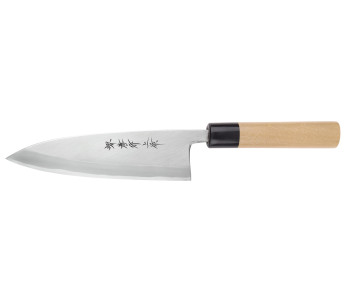
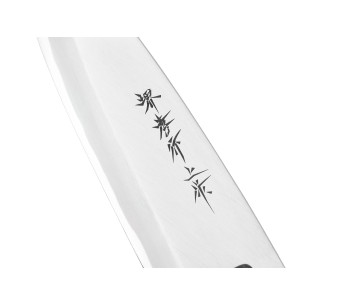
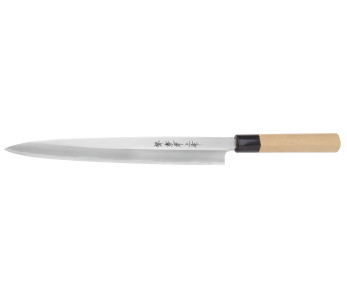
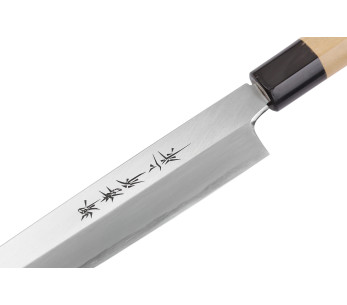
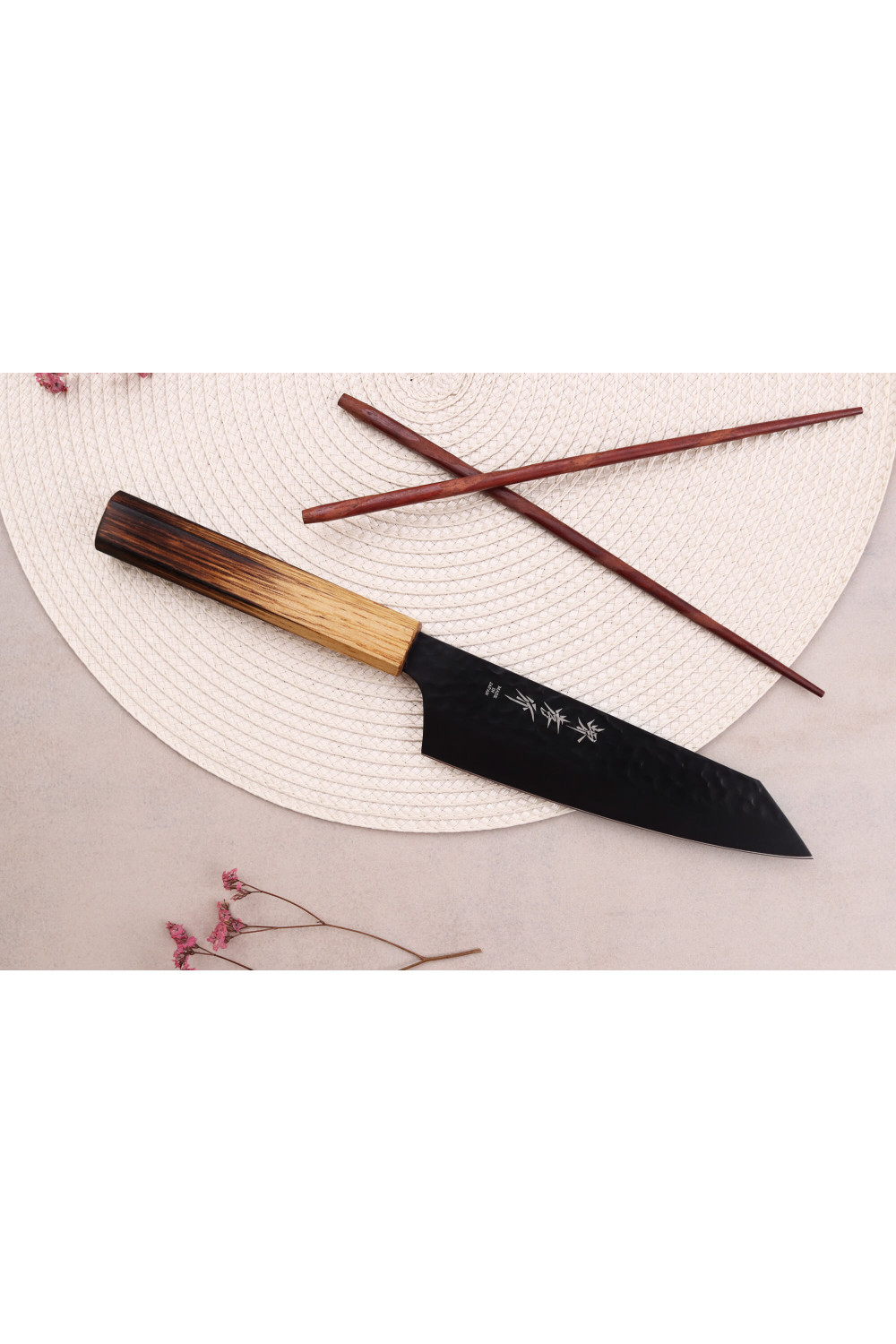
A Japanese knife combining two shapes
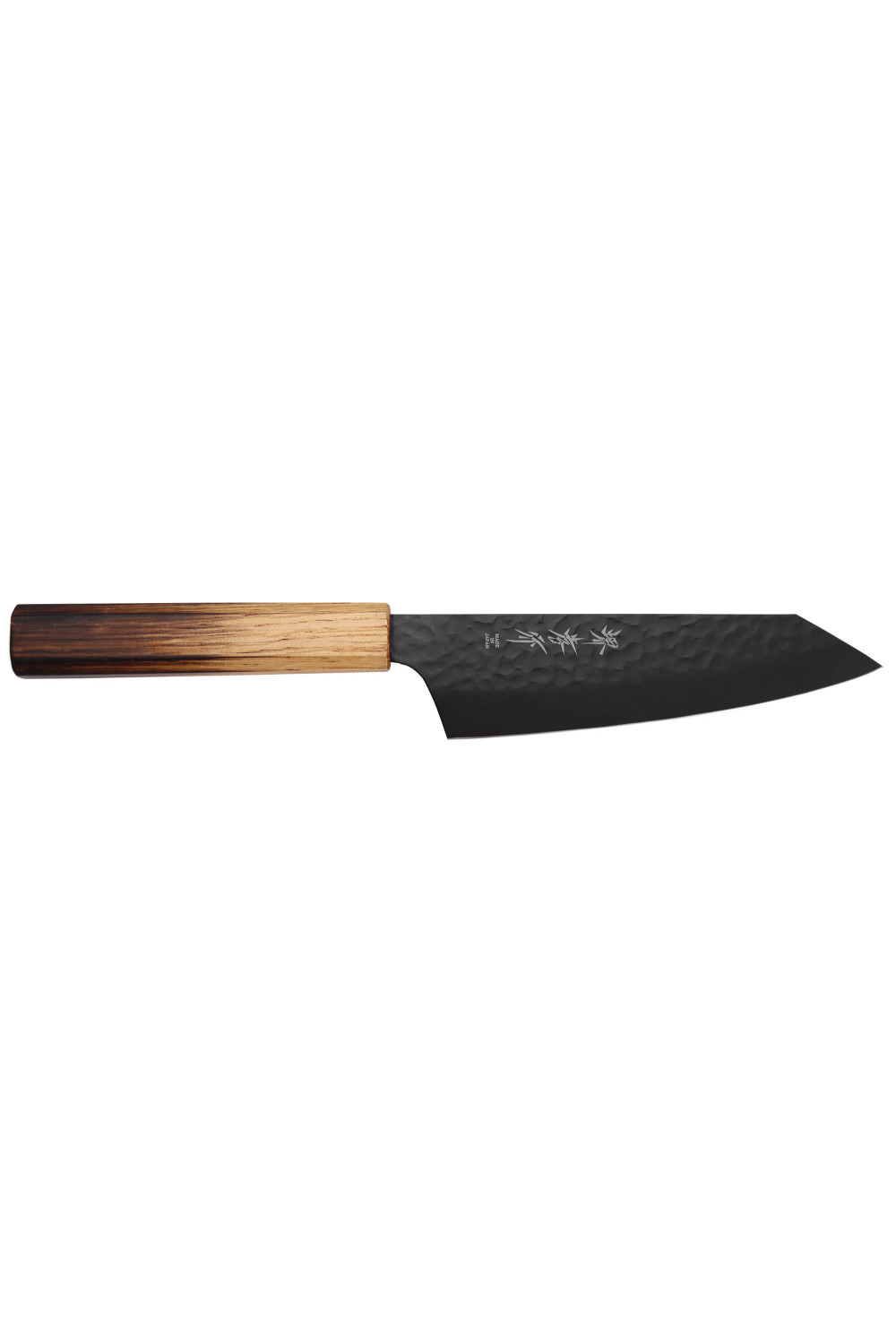
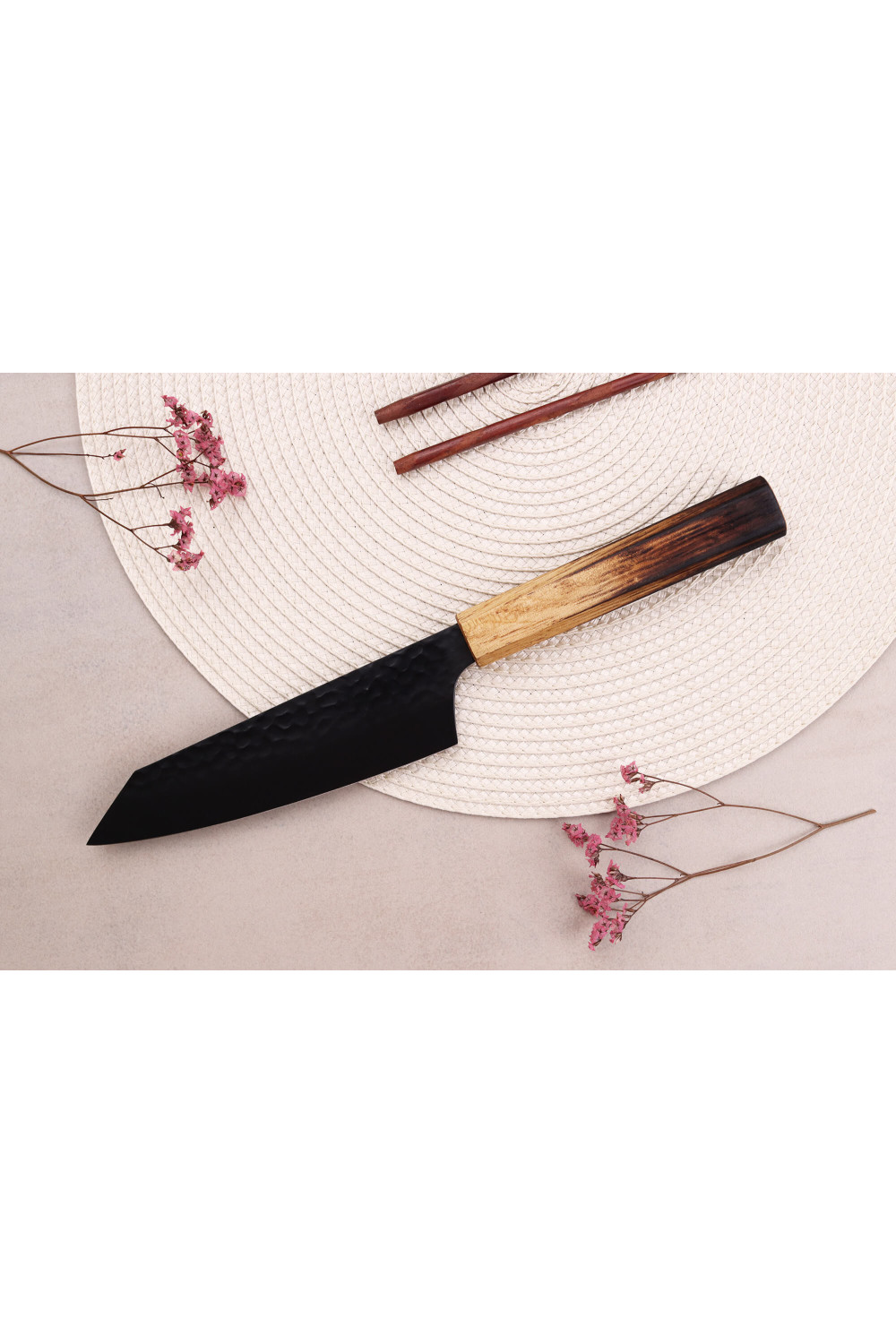
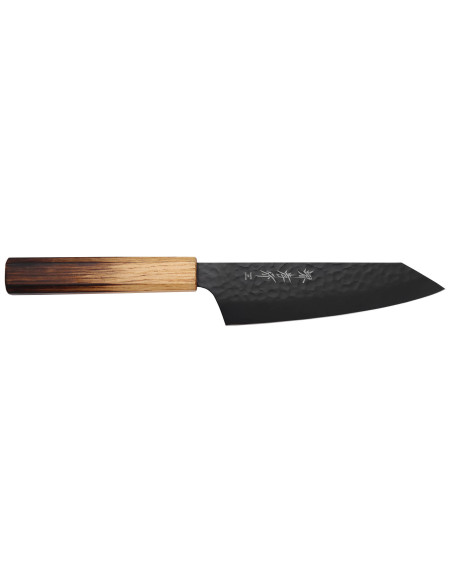
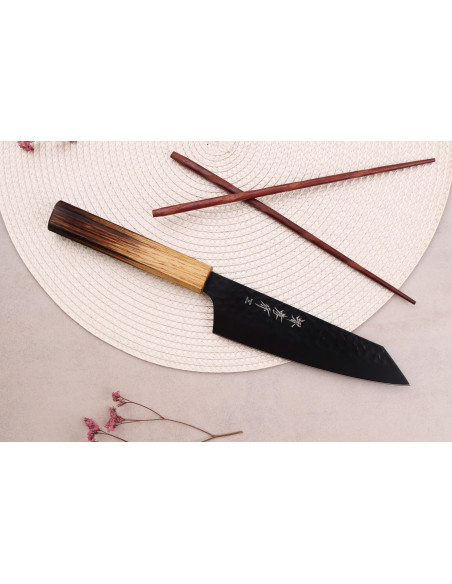
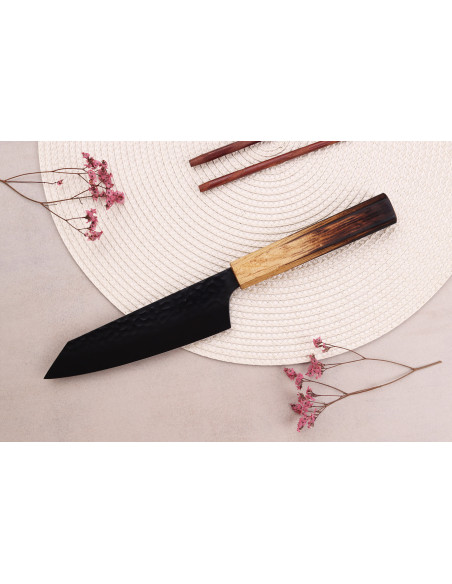
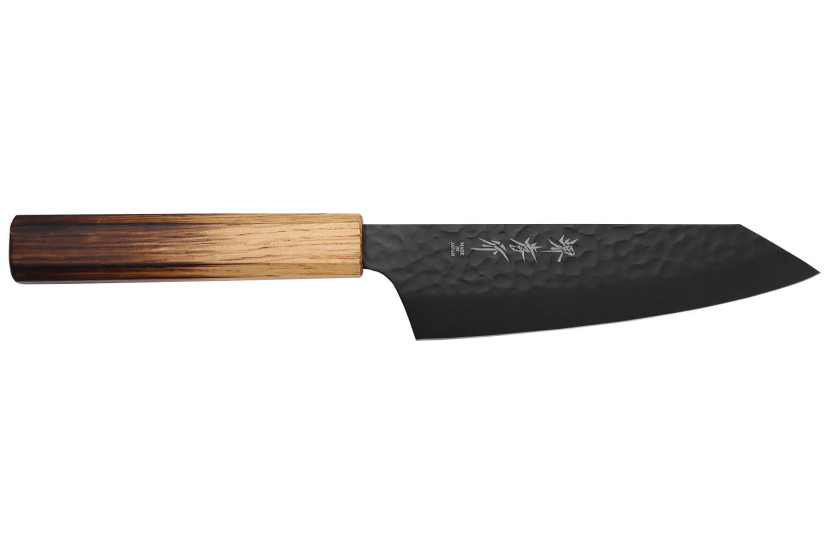
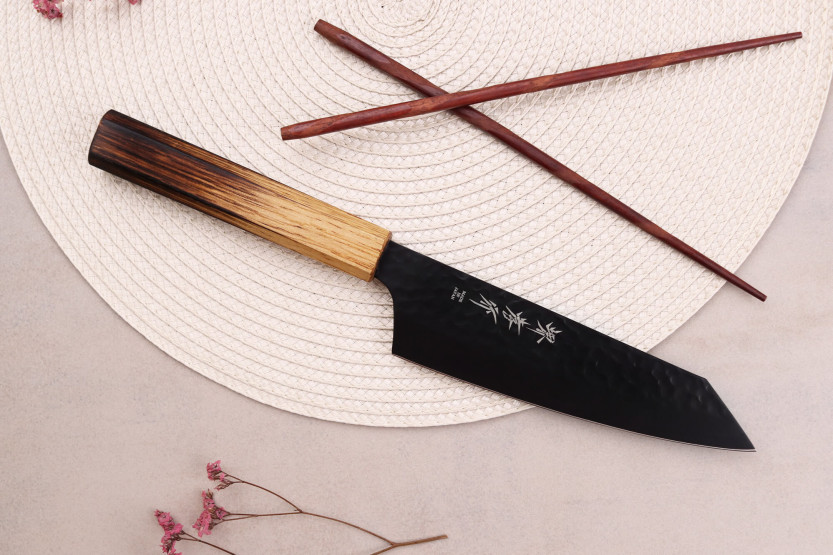
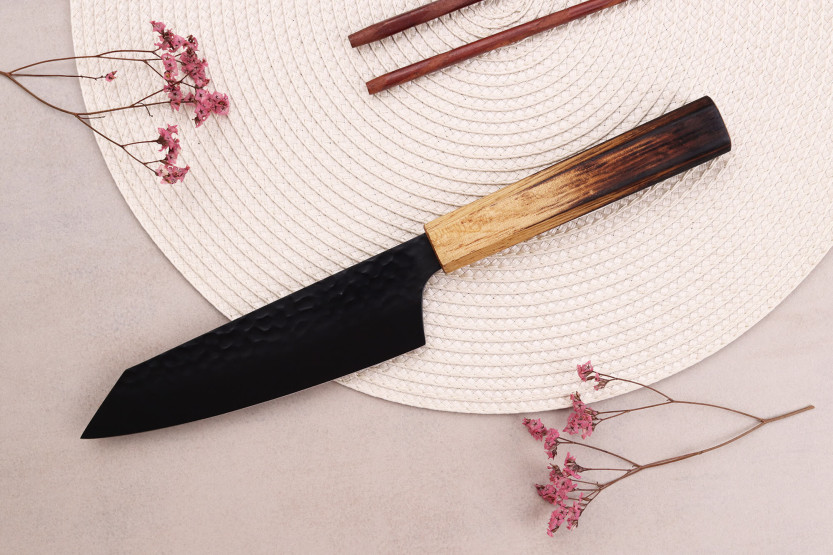
This kiristuke santoku is a versatile knife that should be used like a chef's knife. It can be used for mincing meat, chopping a wide range of vegetables and chopping herbs. The kiritsuke shape of the blade gives it an authentic look, reminiscent of traditional swords with a sharp point. Cutting is effortless and precise.
Sakai Takayuki was founded in the 50s in the town of Sakai, from which it takes its name. The company's cutlery expertise and know-how stem from a rich heritage. Indeed, the methods it employs derive directly from the skills of the blacksmiths of yesteryear who made the very famous katana. With this know-how, Sakai Takayuki is able to offer you quality Japanese knives that combine modernity and tradition.
A San Maï blade with VG10 steel core
This Japanese knife features a blade structure called San Maï. These words mean "3 layers" in Japanese, and show just how it's made up. The blade contains a rigid steel core which is covered by a layer of softer steel sandwiching it: in other words, there are 3 layers.
Here, the blade core is made of Japanese VG10 steel, a top-of-the-range steel that has been enriched with carbon to almost 1%. Carbon is an essential element for increasing the hardness of an alloy, since the harder the blade, the longer it retains its cutting edge.
With this core, the blade of your knife has a hardness of 60 HRC on the Rockwell scale, proof that it has an effective cutting edge that it keeps for a long time.
The alloy also contains around 15% chromium, an element that gives it good resistance to corrosion. However, since steel has a high carbon content, you need to take great care with the blade of your knife to prevent it from oxidizing.
Next, the VG10 core is coated with a layer of softer steel to protect it and balance its rigidity. This makes the blade less susceptible to breakage and impact when cutting.
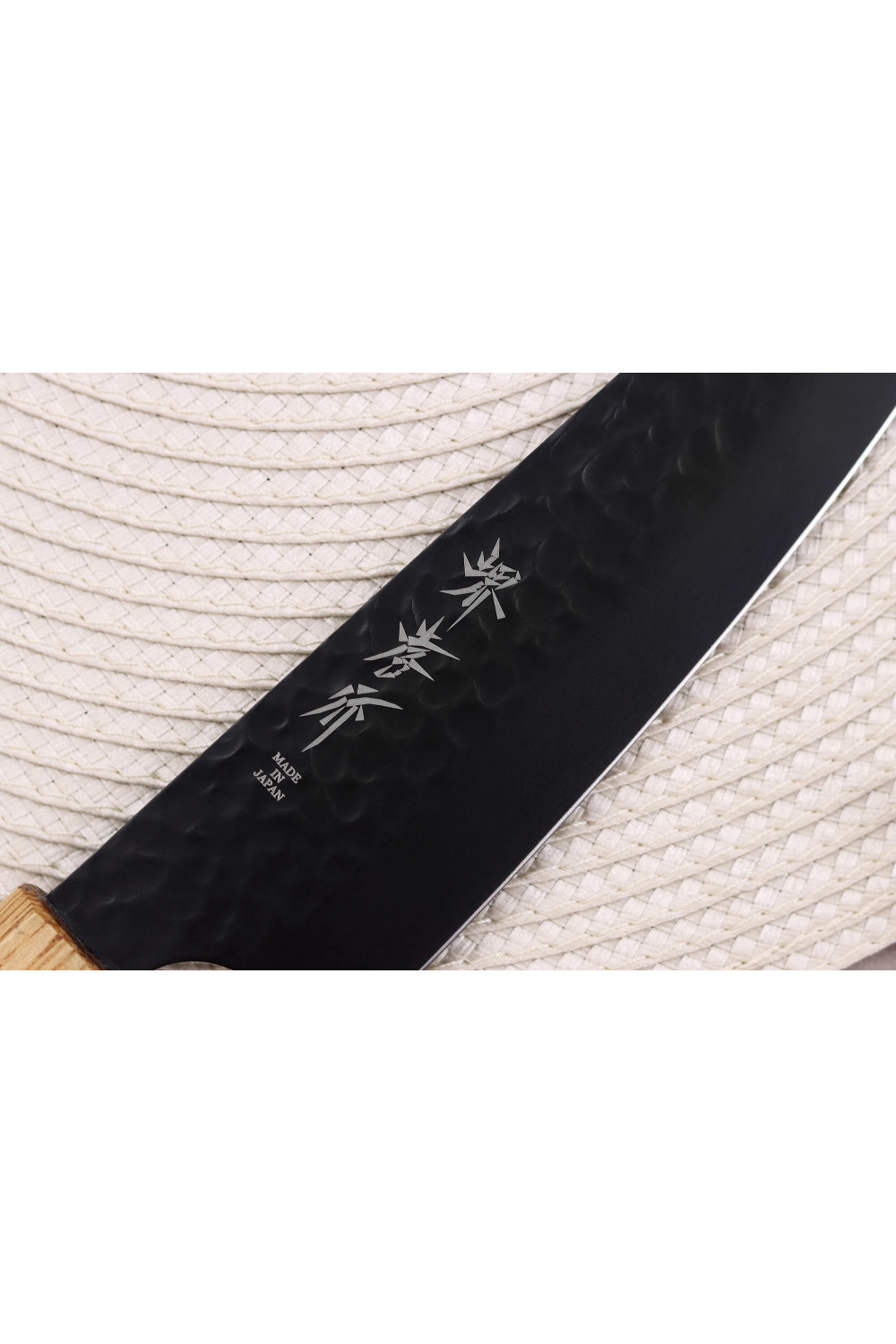
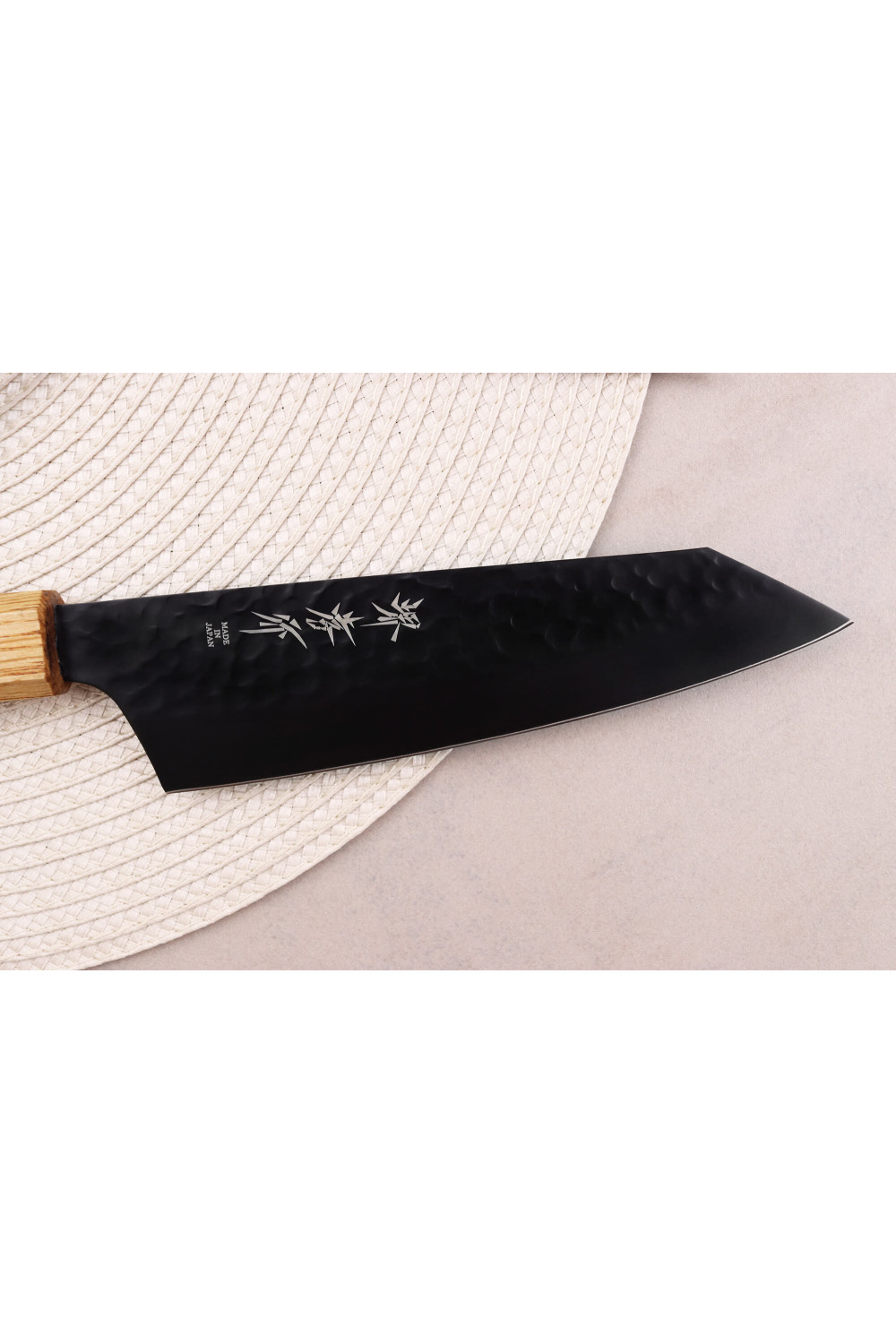
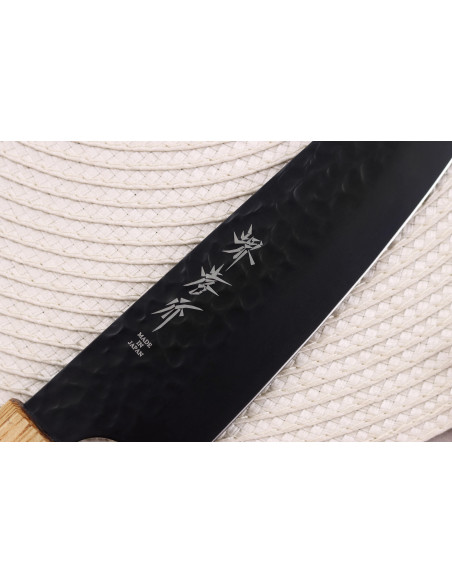
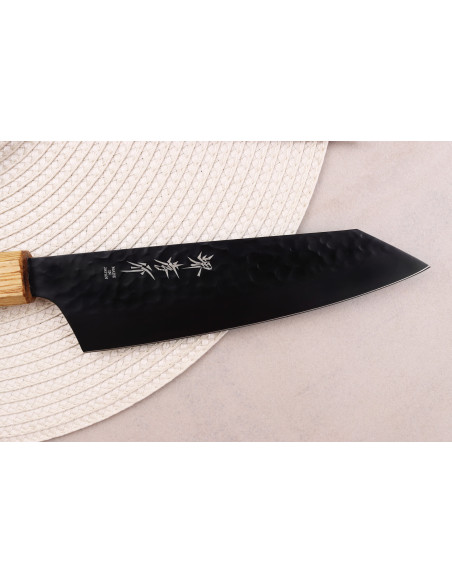
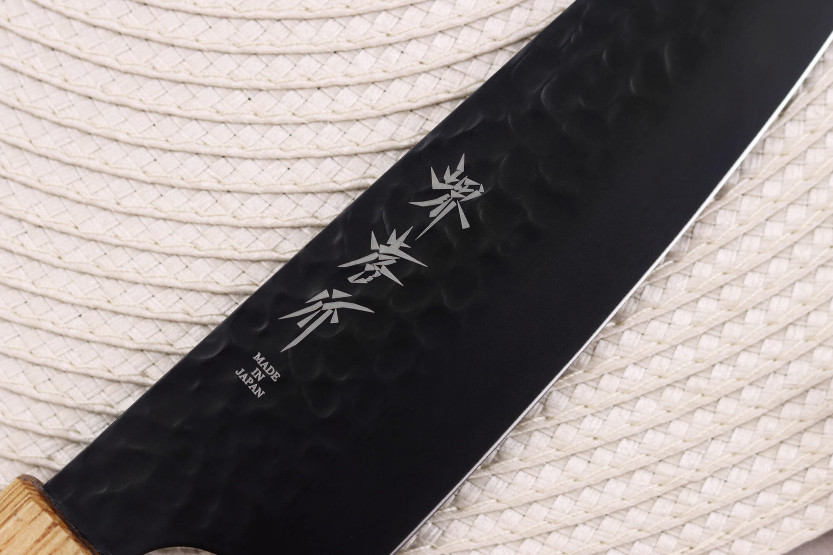
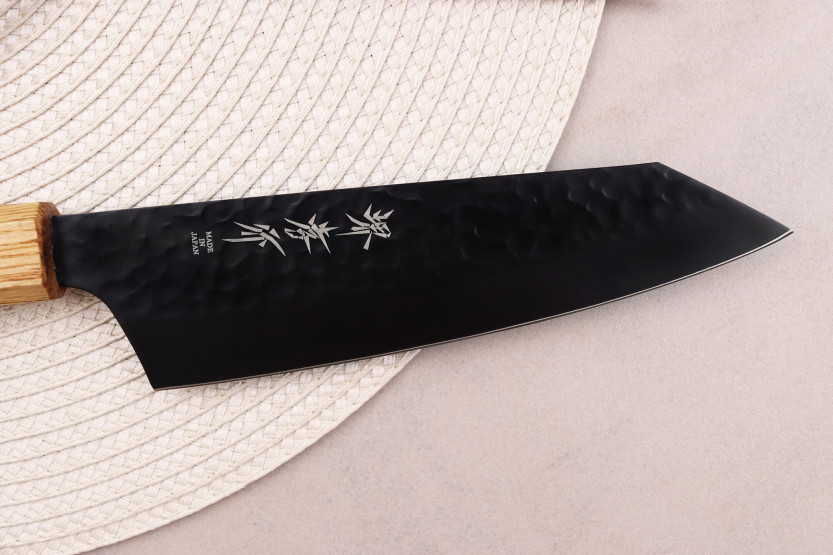
A Teflon coating has been applied to the blade to increase its strength, provide extra protection against corrosion, and offer non-stick properties. Thanks to Teflon, the food you're cutting won't stick to the blade.
This coating gives the blade a matt black finish for an elegant, timeless look. The top of the blade has also been hammered, adding to its character while reinforcing its sturdiness. This blade subtly blends tradition and modernity.
An original handle in burnt oak
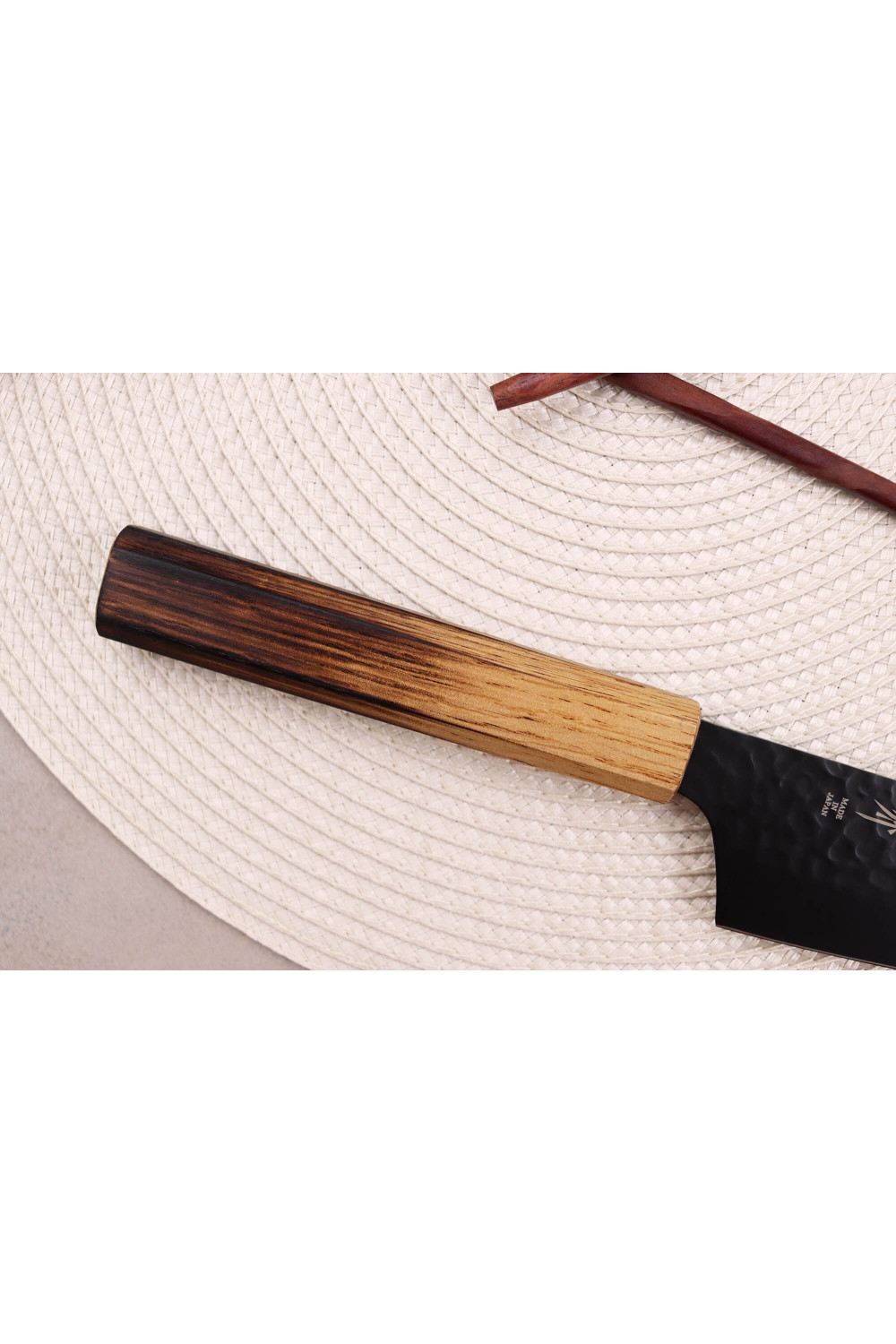
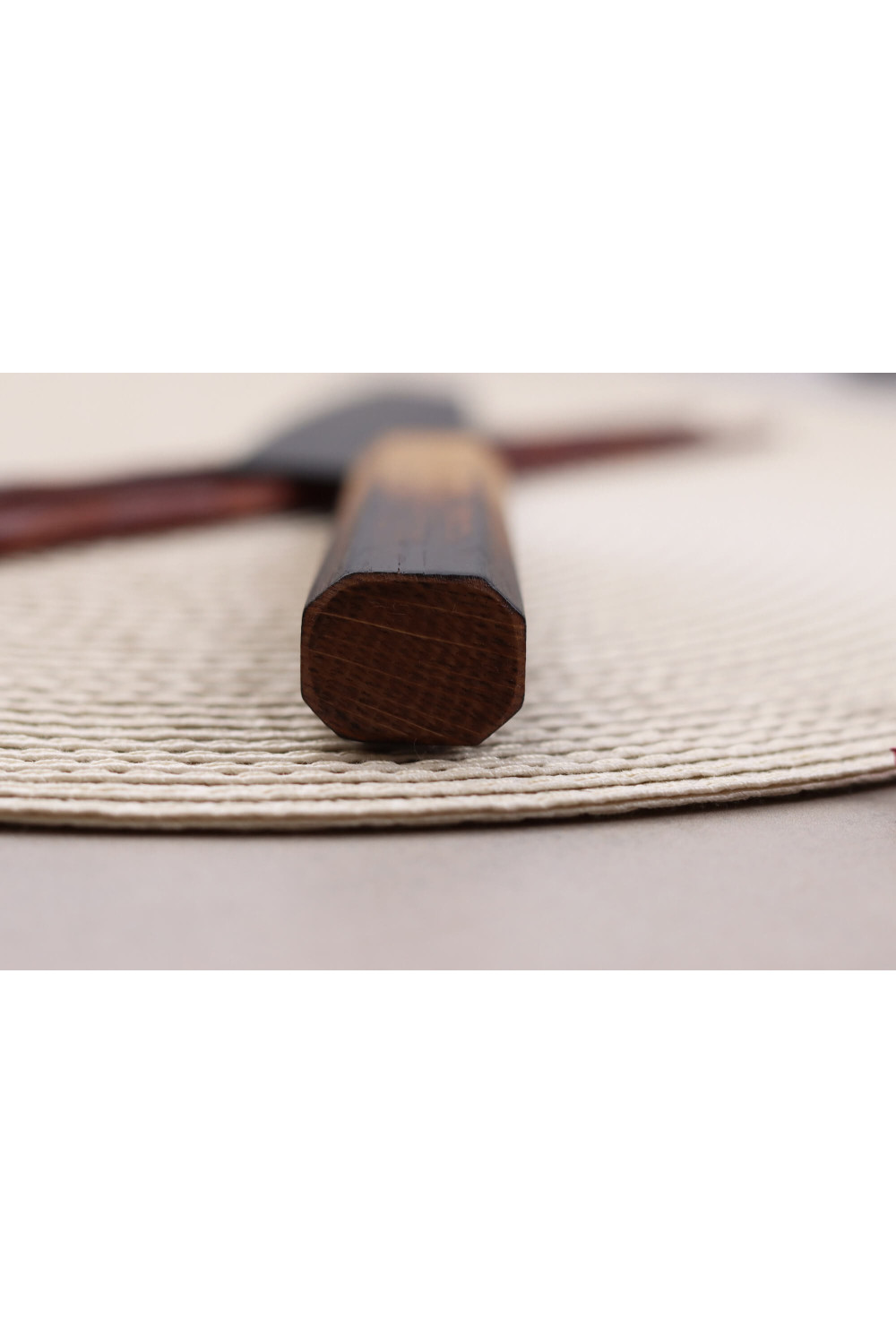
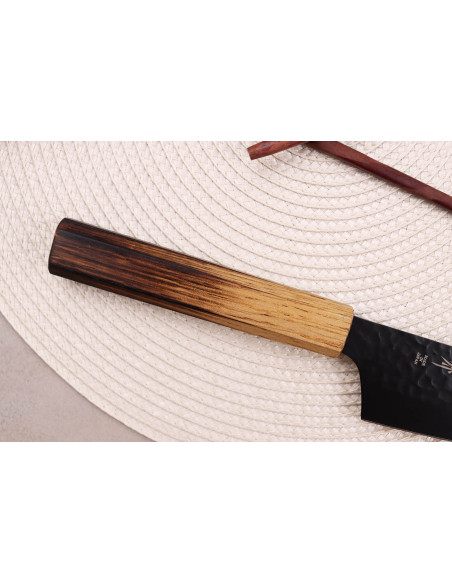
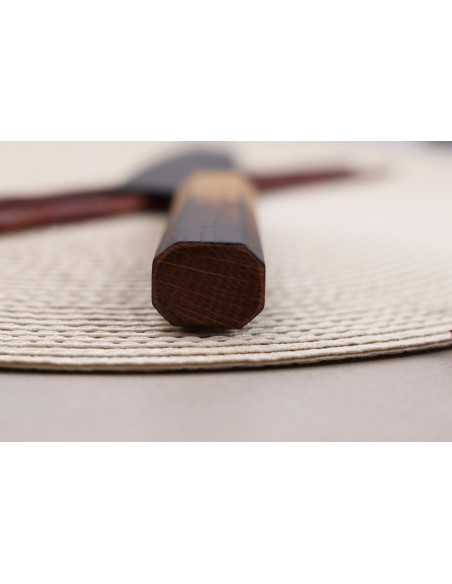
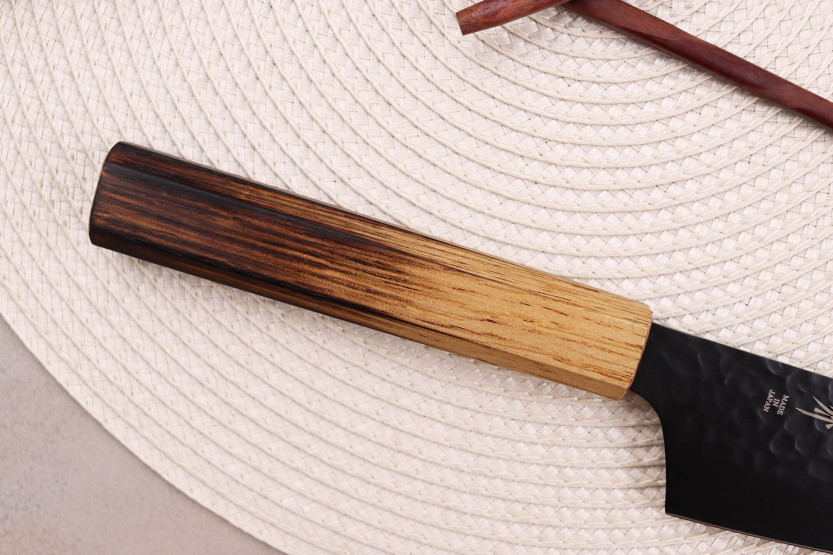
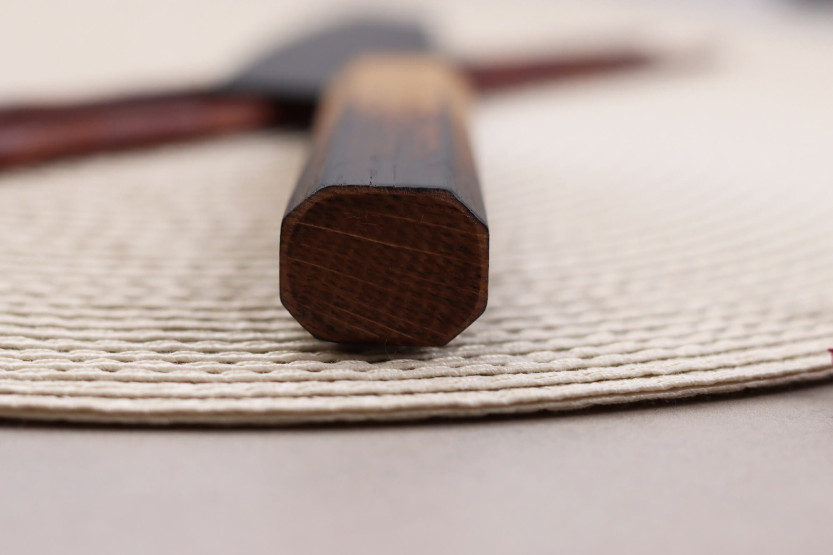
The handle of this Kiritsuke knife is made of oak, a durable species also used in cabinetmaking for its many advantages. Oak doesn't warp easily, and is resistant to moisture, shock and vibration. This makes it ideal for use in the kitchen. Here, the end of the handle has been burnt to increase its strength and give it a highly original appearance.
It has also been cut into an octagonal shape to suit all cooks, right- and left-handed alike. It's lightweight and easy to handle, while offering a comfortable grip for prolonged cutting.
To fill the space where the blade fits into the handle, wood pulp has been added. This makes the knife extremely watertight, as no cleaning water or cut food can get inside.
The knife should be washed exclusively by hand, using a non-abrasive sponge and mild detergent. We strongly advise against putting the knife in the dishwasher or soaking it in the sink. Don't get the handle wet, and dry the knife immediately to remove all traces of moisture. Finally, store in a dry place.
Many kiritsuke knives await you!




 By buying this product you can collect up to