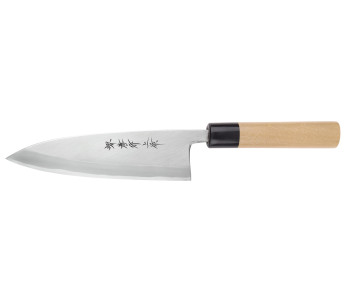
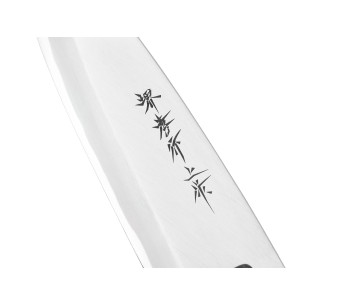
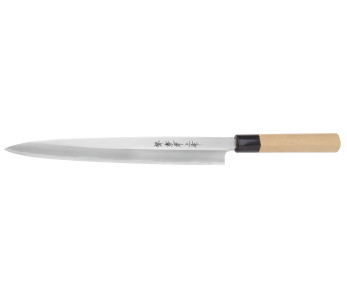
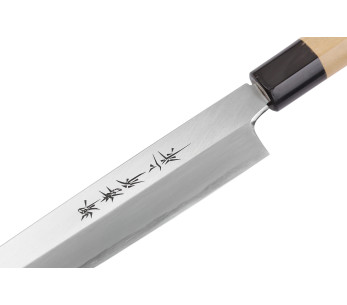
A versatile, high-performance Japanese chef knife
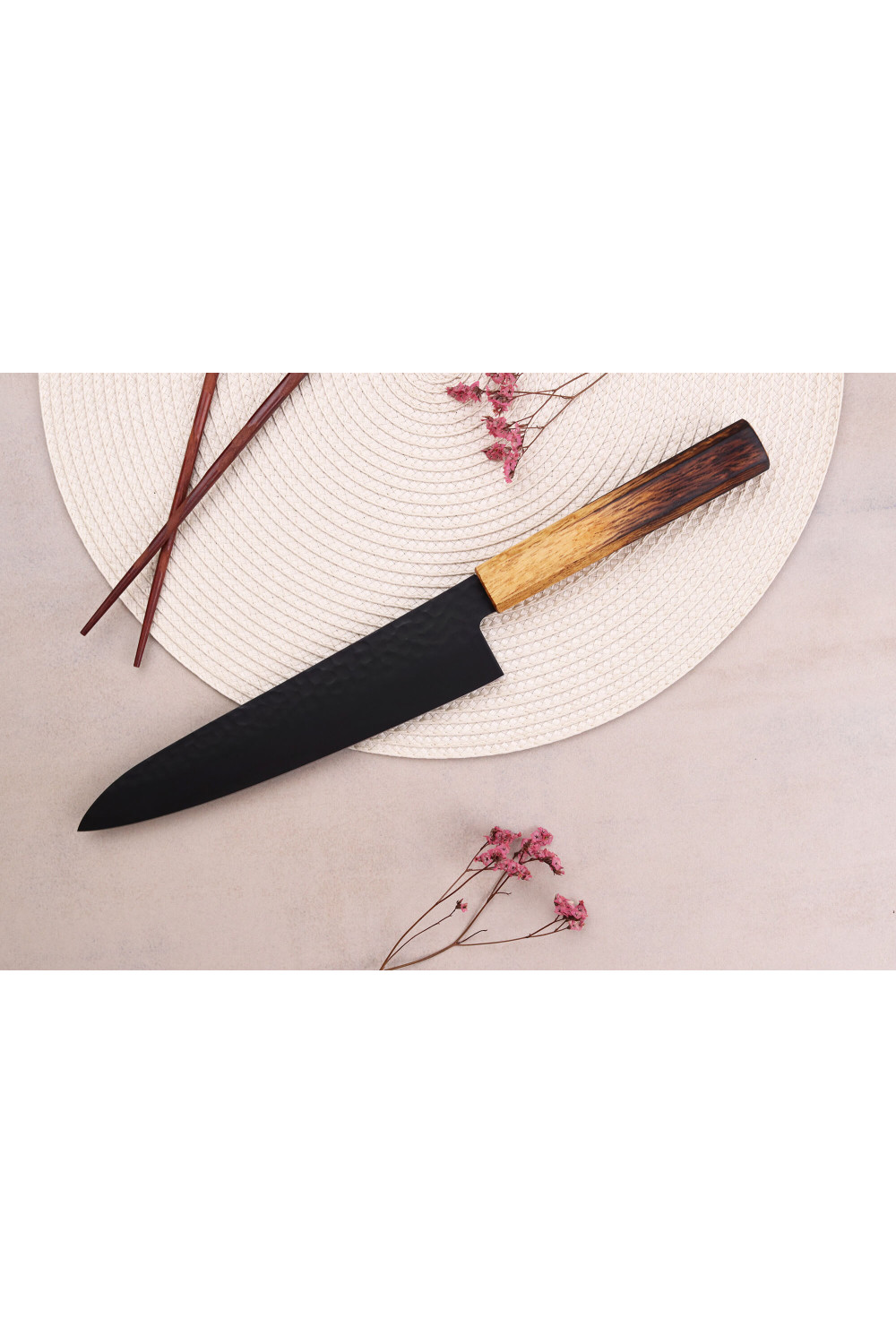
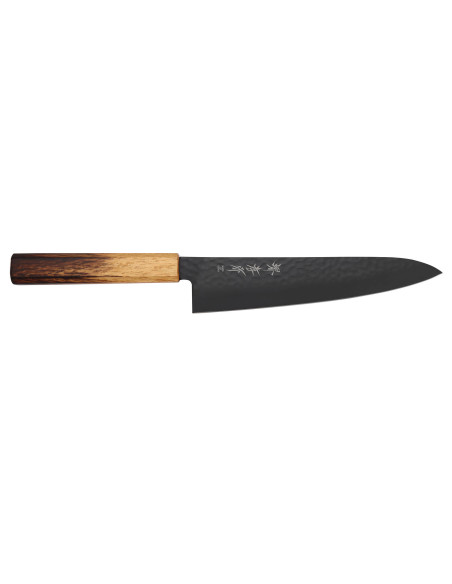
The chef's knife is a multi-purpose knife that enables you to perform a wide range of cutting tasks on different foods. You can slice, mince and chop foods such as vegetables, fruit, meat (boneless), fish (boneless) and herbs. Its blade is slightly curved at the tip to create a pleasant, easy-to-follow rocking motion. You work precisely and effortlessly.
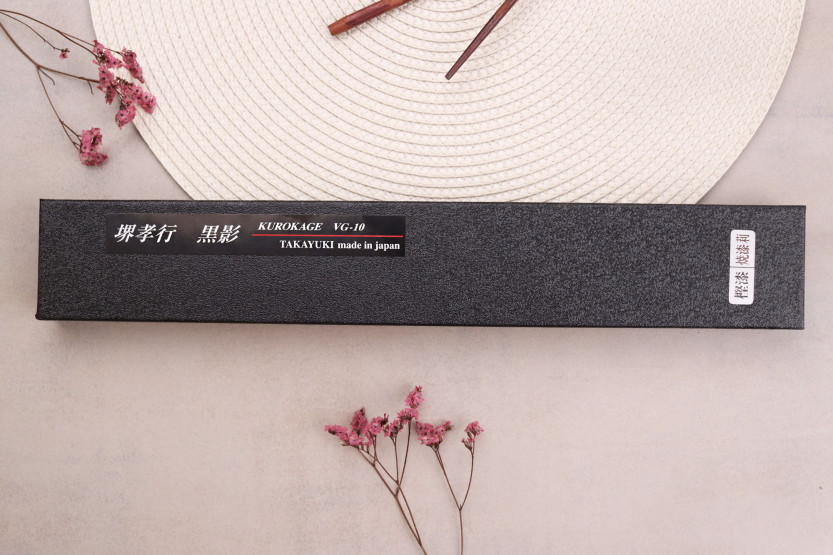
Sakai Takayuki is a company based in Japan, in the eponymous town of Sakai. Founded in the 50s, the company boasts a wealth of cutlery know-how and experience. The Sakai region boasts a precious heritage in the art of knife-making, stemming from the methods applied by the blacksmiths of yesteryear who created the famous katana. Thanks to its know-how, Sakai Takayuki can offer you top-quality Japanese knives, subtly combining authentic visuals and modernity.
The gyuto knife and its VG10 steel blade
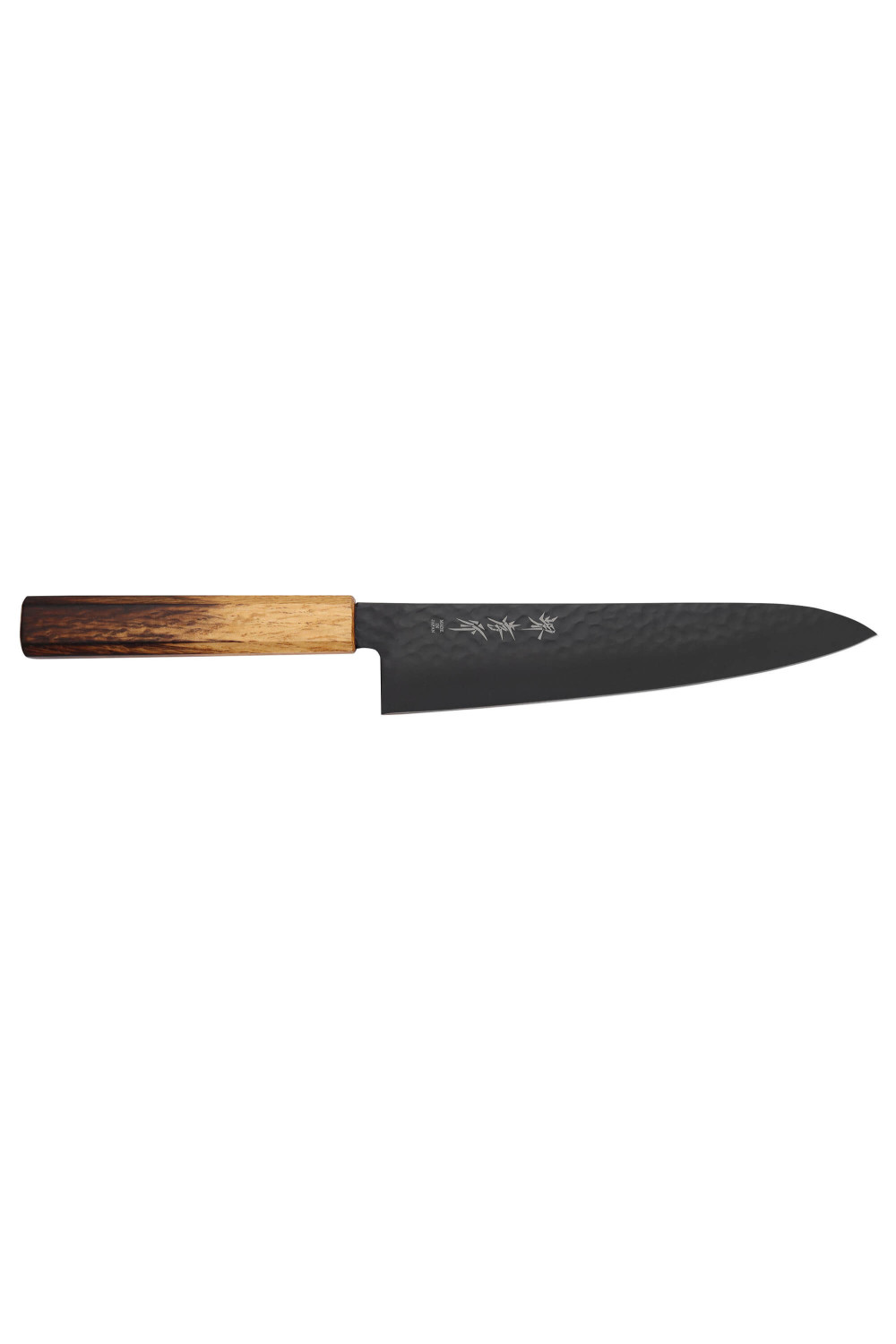
This Japanese chef's knife features a San Maï blade structure, meaning "3 layers" in Japanese. This typically Japanese structure consists in endowing the blade with a rigid core which is then covered by a layer of softer steel, sandwiching the core. The 3 layers are there, the core is protected and balanced.
The blade core is made of Japanese VG10 steel, a high-end alloy enriched with nearly 1% carbon. Carbon is the essential element for increasing a blade's hardness, because the harder a blade is, the longer it retains its edge.
The blade of your chef's knife achieves a hardness of 60 HRC on the Rockwell scale thanks to VG10 steel, giving it a high-performance cutting edge that lasts over time.
VG10 steel also contains around 15% chromium, the element that gives the alloy its resistance to corrosion. However, due to its high carbon content, the blade of your knife requires careful maintenance to avoid any risk of oxidation.
The VG10 core is then coated with a layer of softer stainless steel to protect it and make it less susceptible to the shocks (and therefore breakage) encountered when cutting.
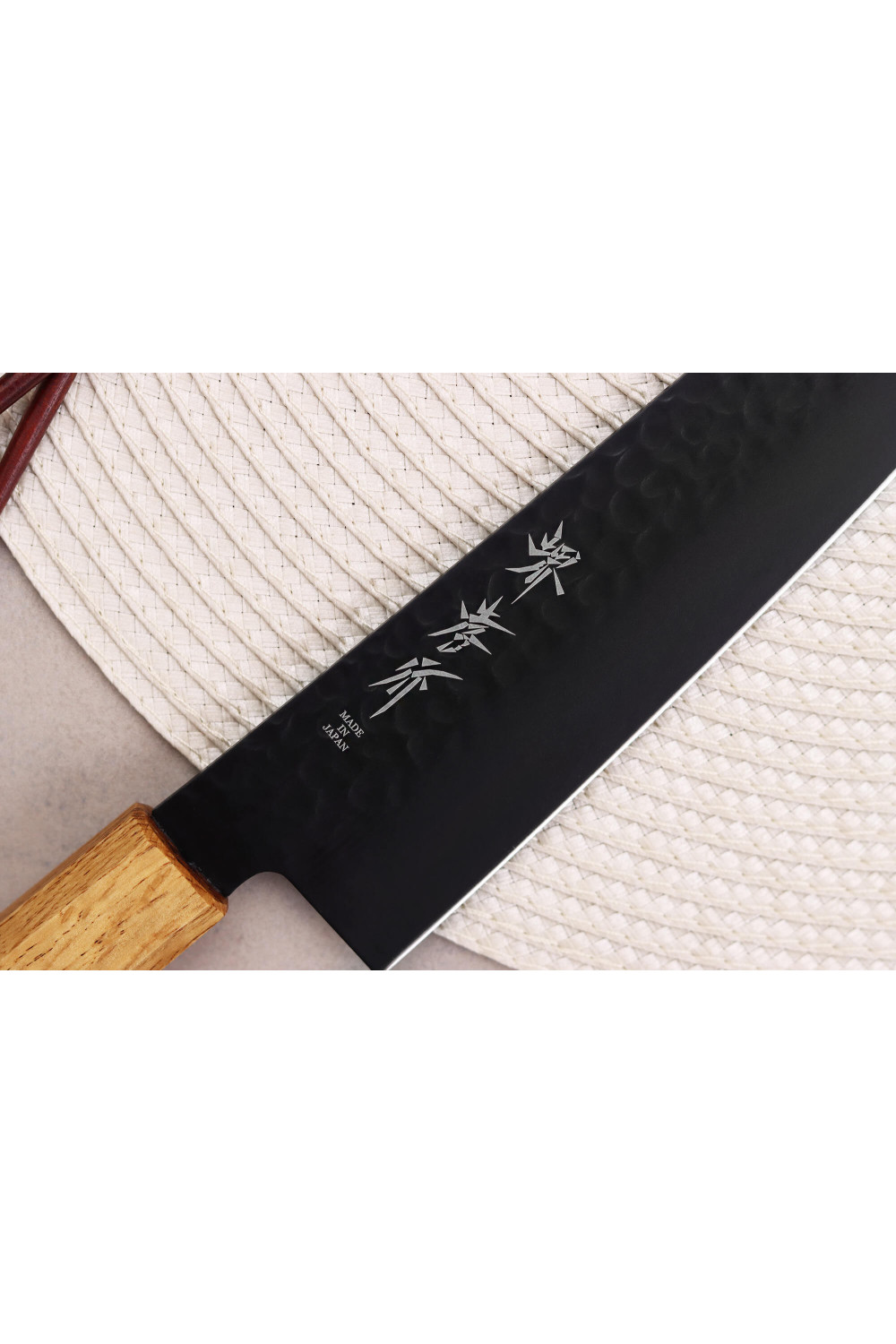
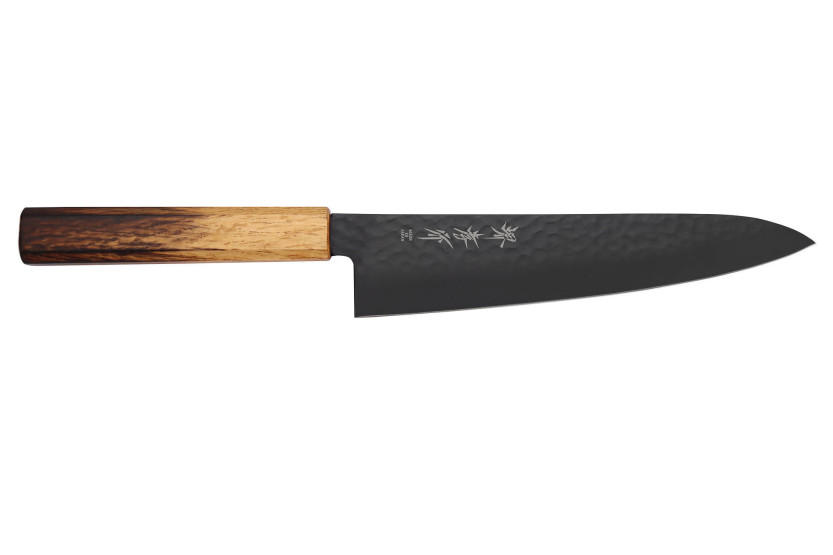
The blade also features a Teflon coating for added strength. The coating gives the blade additional protection against corrosion, while at the same time making it non-stick. Teflon prevents food from sticking to the blade when cutting.
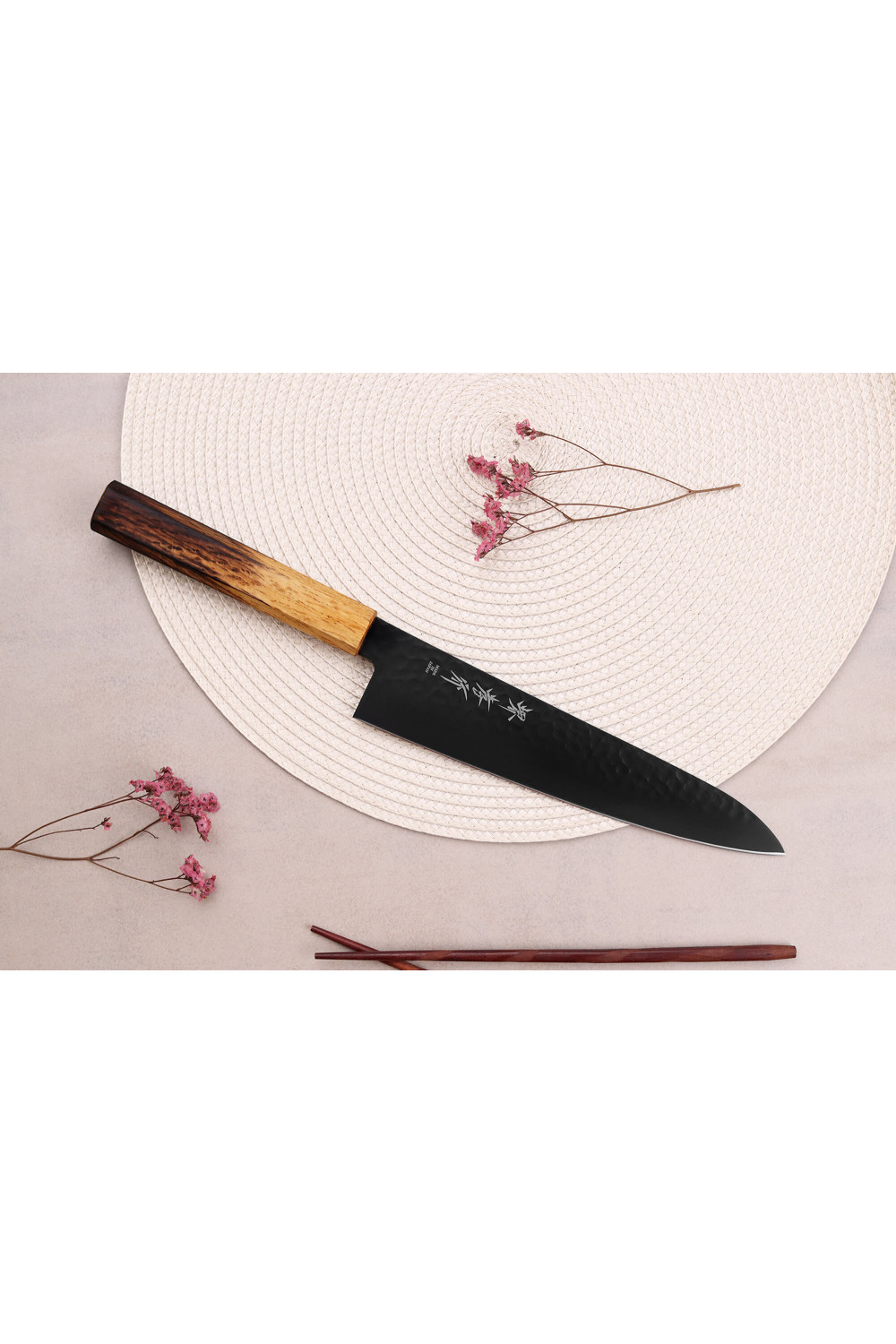
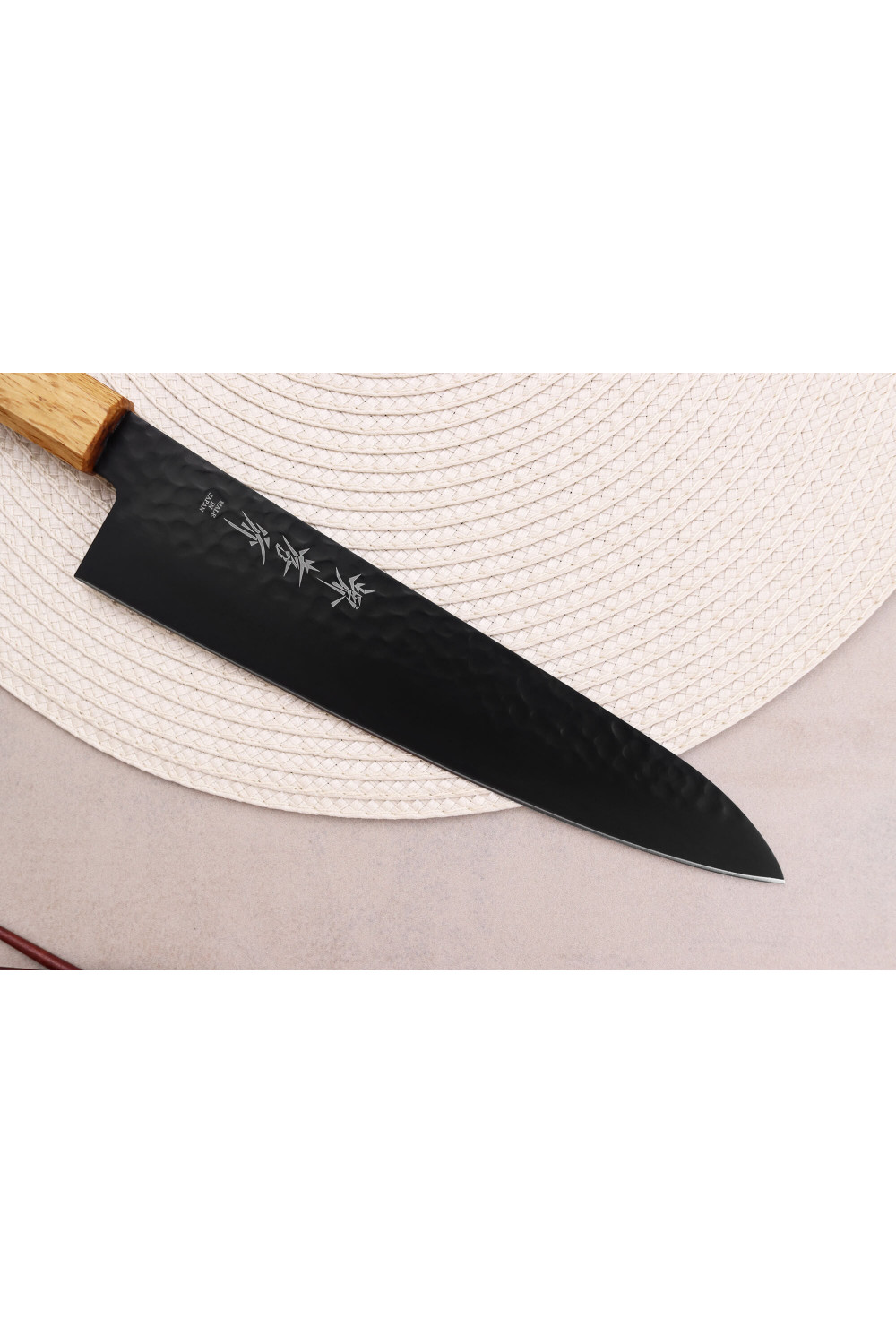
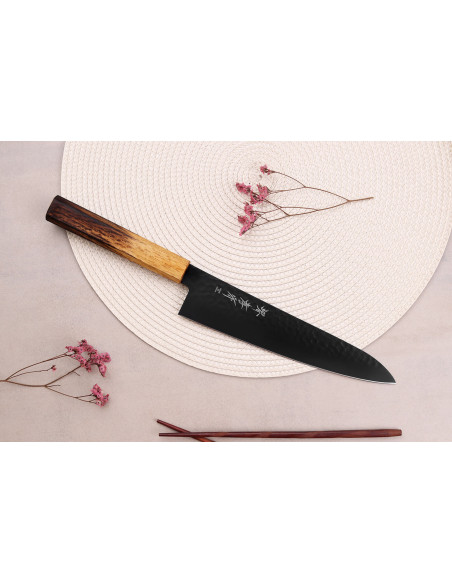
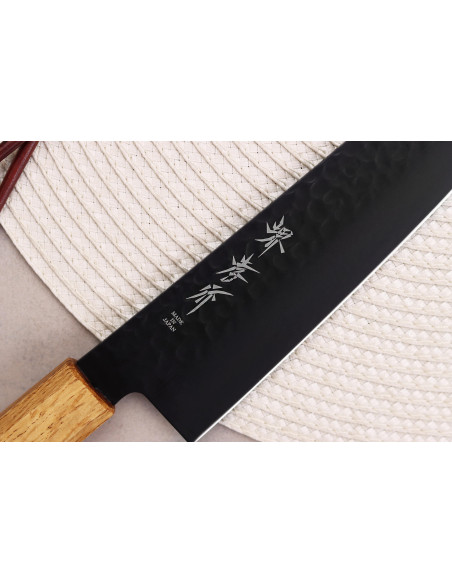
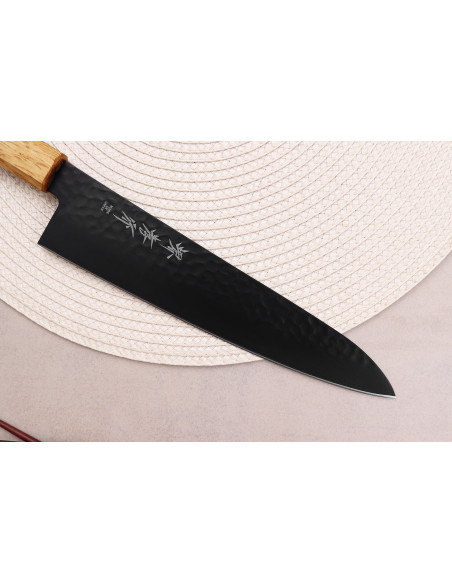
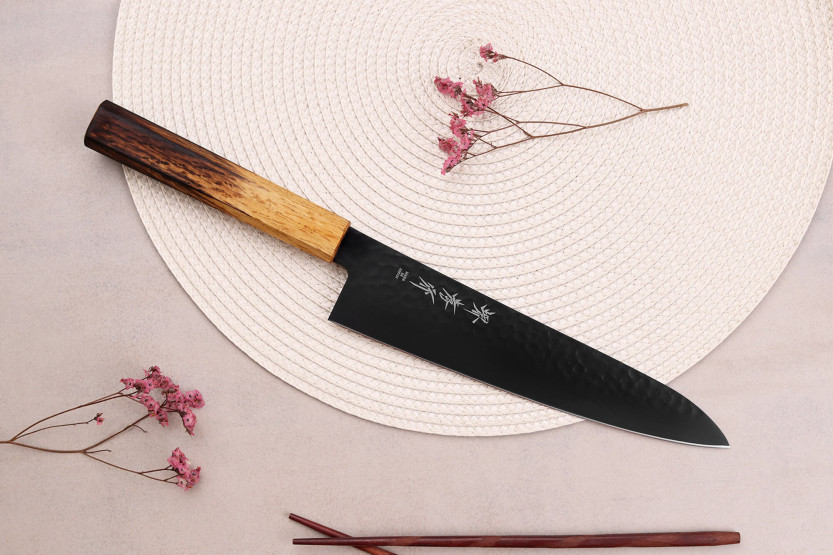
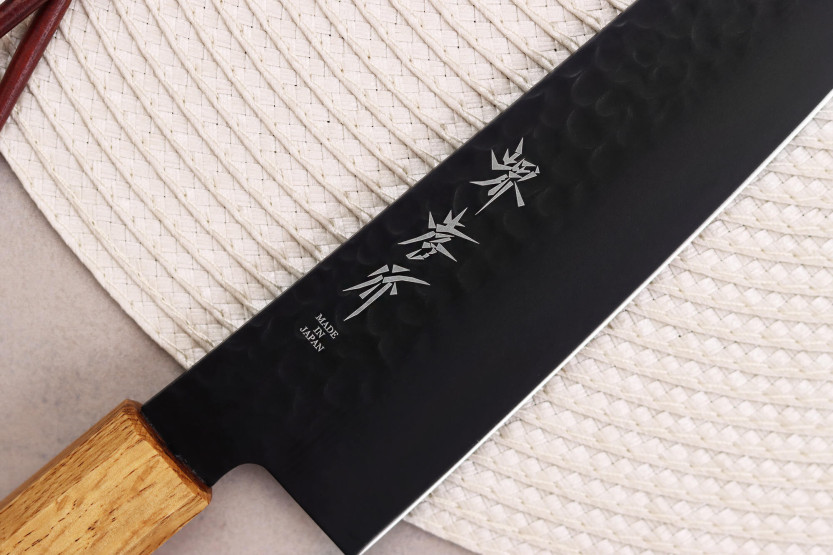
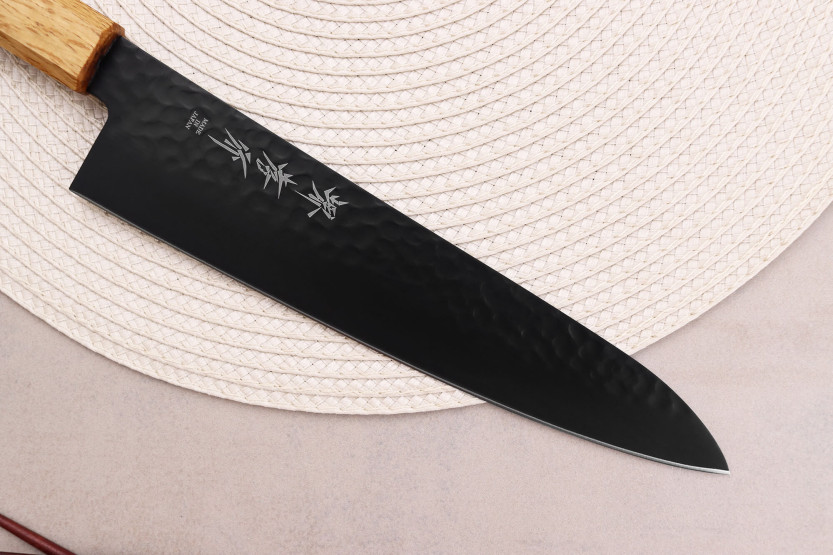
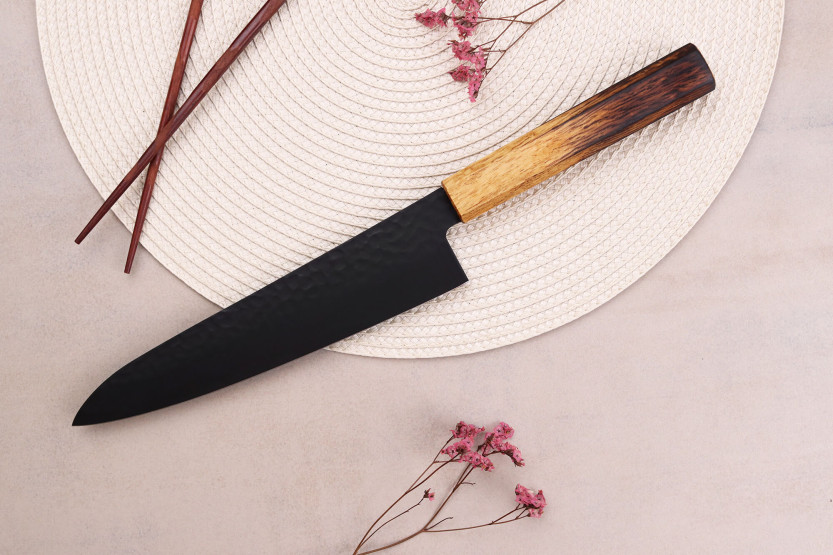
Finally, the blade is finished in an elegant matte black color. The top of the blade has been hammered to reinforce its non-stick and solidity. Your blade has plenty of character, with a style that blends tradition and modernity, much appreciated by chefs.
A robust and elegant burnt oak handle
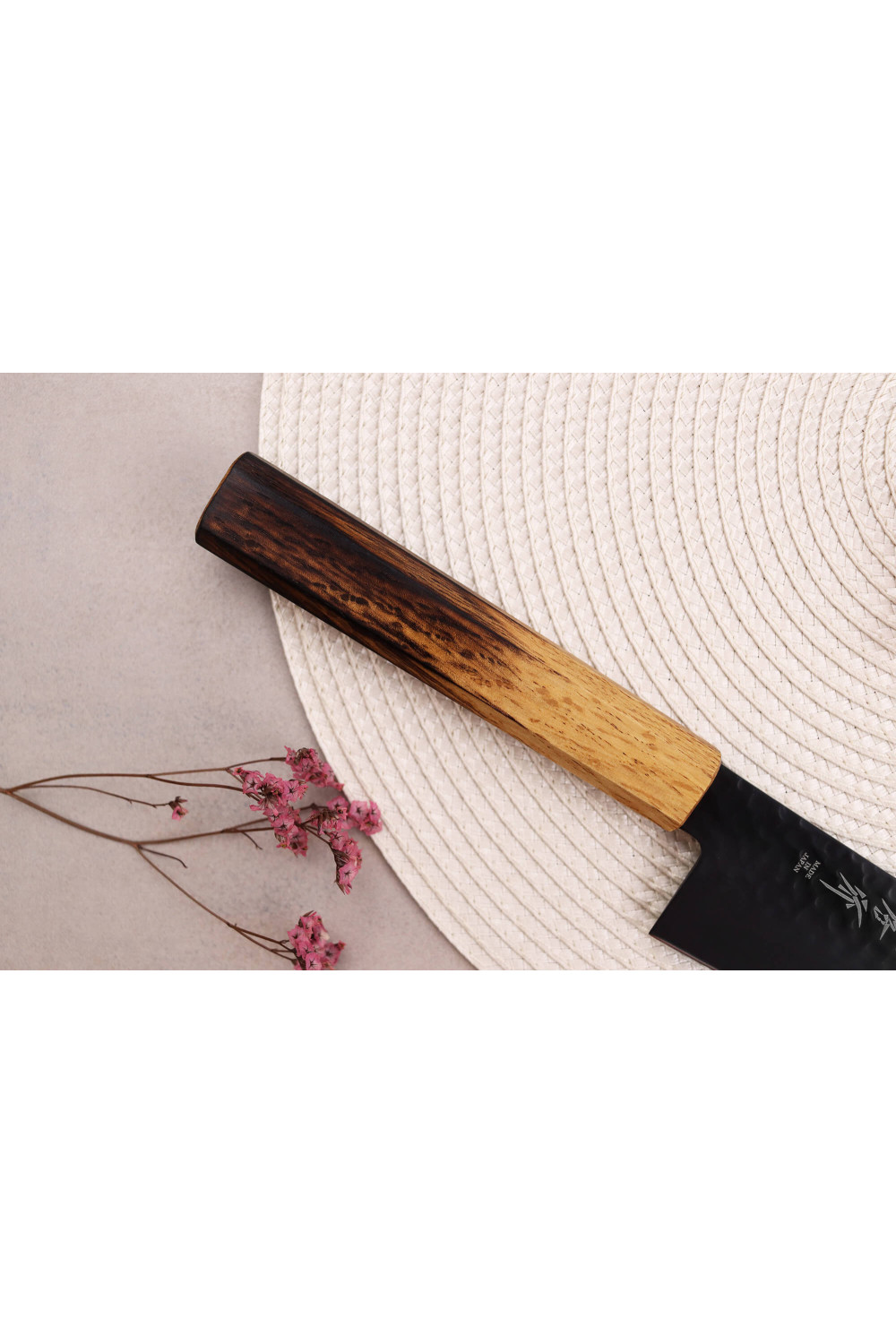
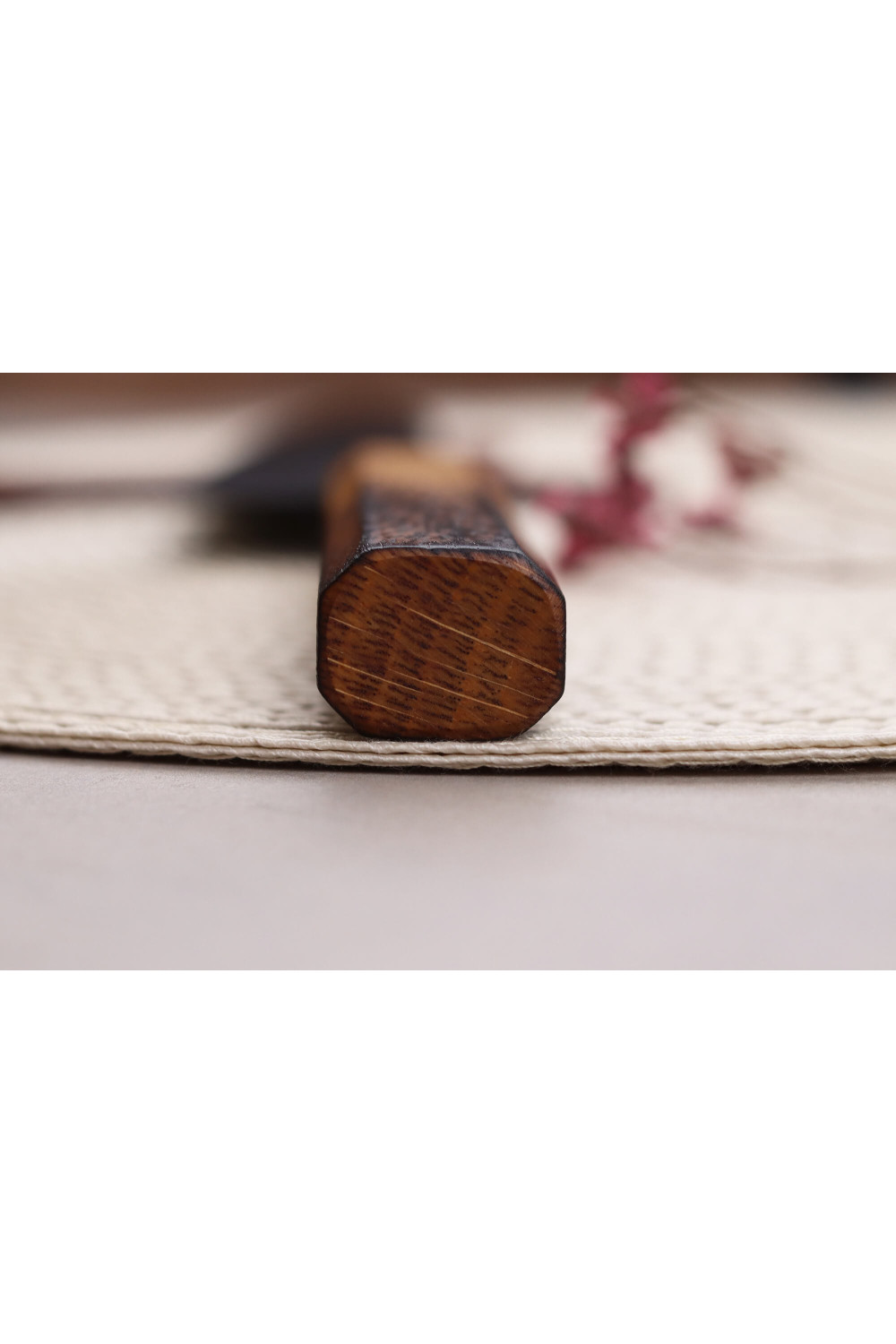
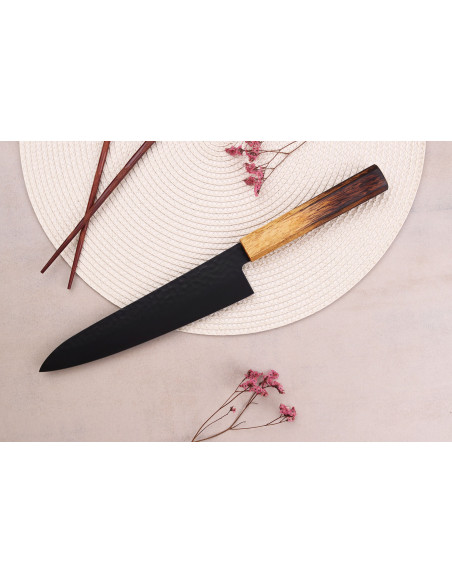
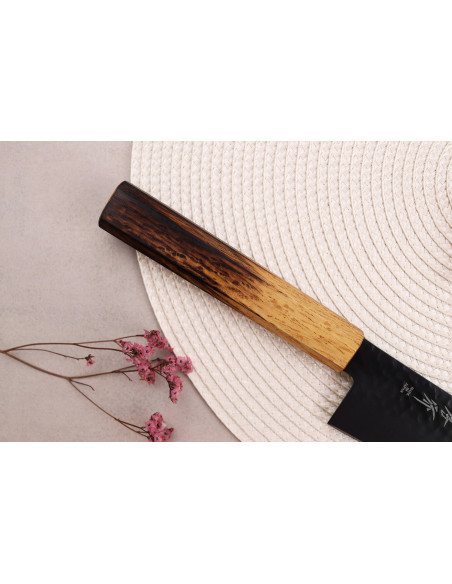
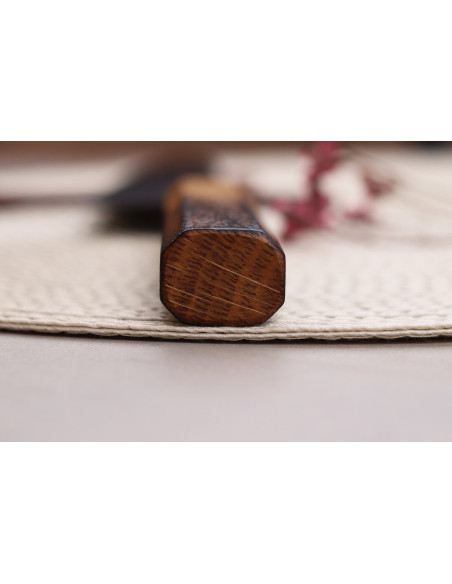
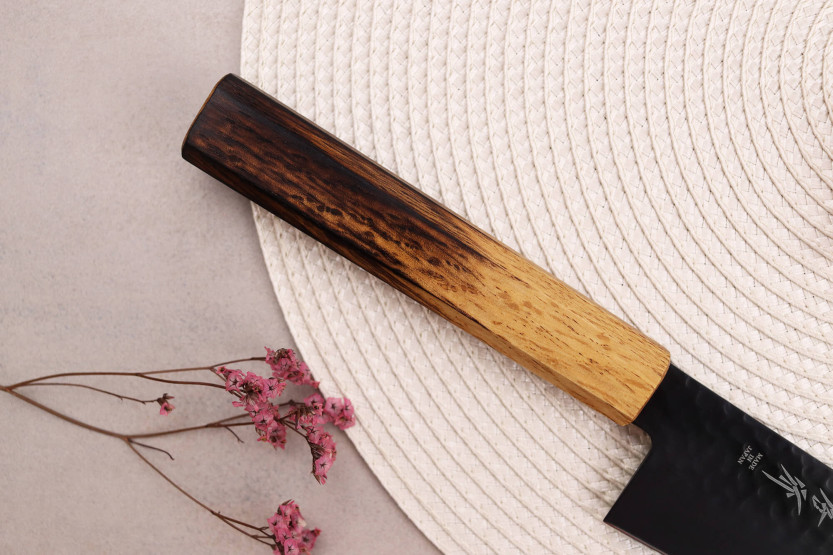
The handle of this knife is made of oak, a species known for its durability (it's also used in cabinet-making), while resisting humidity, shock and vibration. Oak doesn't warp easily, which makes it ideal for knife handles. For this knife, the oak has been burnt at the tip. This not only adds to the knife's character, thanks to the gradation of color, but also makes it more resistant.
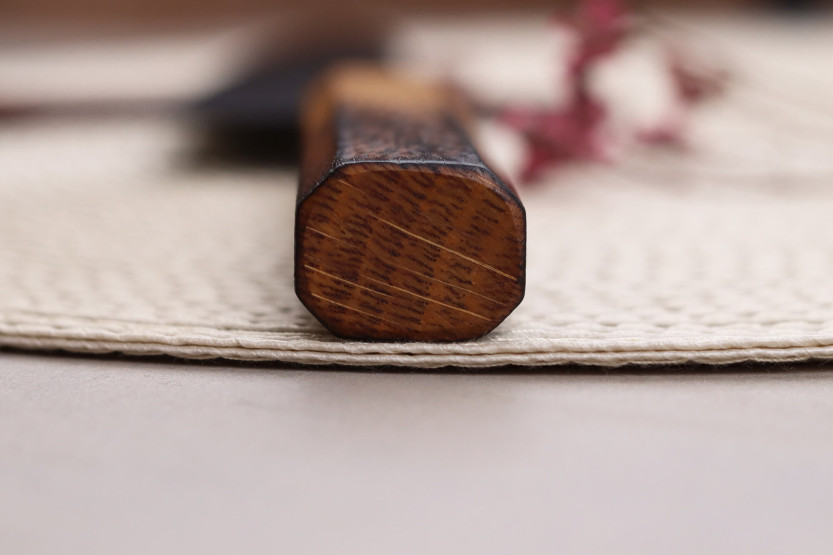
The wood is octagonal in shape, to suit both right- and left-handed cooks. It's lightweight, easy to handle and provides a pleasant grip, even when used for long periods.
Wood pulp has been added to the space where the blade fits into the handle. This makes the whole unit perfectly watertight and prevents small pieces of food or cleaning water from seeping in.
This knife should only be washed by hand. Do not put it in the dishwasher or leave it to soak in the sink. To clean, use a mild soap and a non-abrasive sponge, avoiding wetting the handle as much as possible.
Then dry the knife immediately and thoroughly, and store it in a dry place free from all traces of moisture.
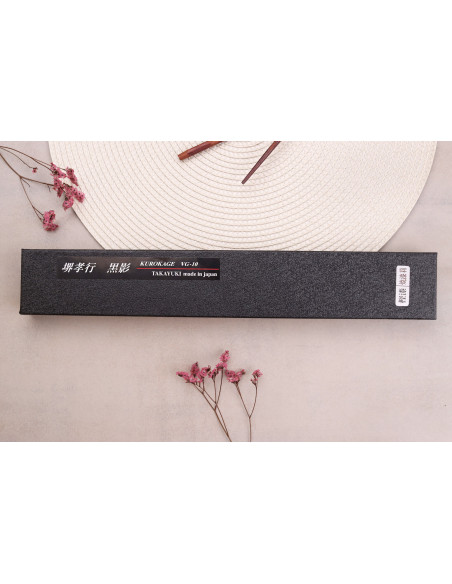
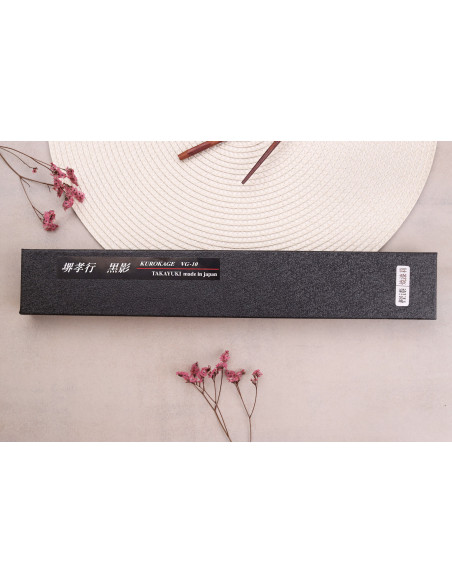
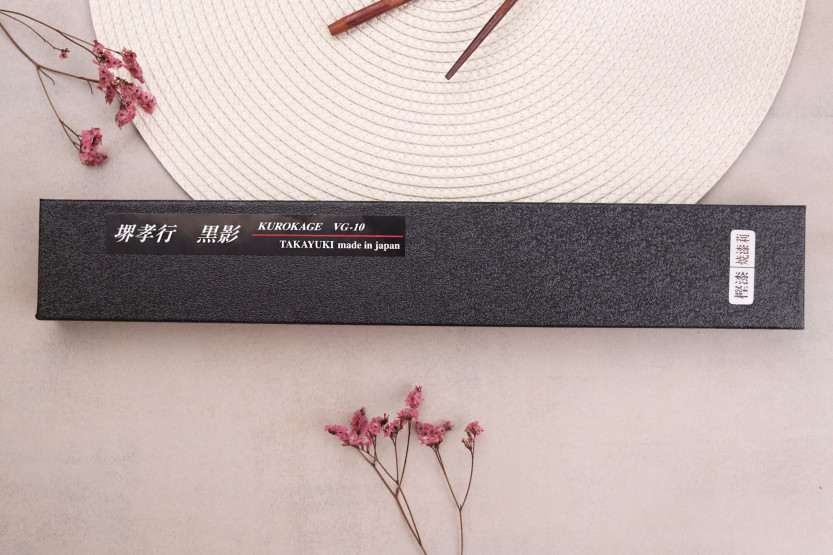
Sakai Takayuki Kurokage knives are available on our website!




 By buying this product you can collect up to