Your cart
There are no more items in your cart

- Material
- Carbon steel
- Handle
- Brass
- Manufacturing
- Japan
- Steel
- Super Blue Steel
- Blade size
- 7cm
- Dishwasher
- No
- Product ID
- HLWAGO-KDB090


 By buying this product you can collect up to
3990
points.
Your cart will total 3990
points that can be converted into a voucher of
€2.00.
For buying this product you should have
79800
points.
Your current number of points is
0 points
.
.png)

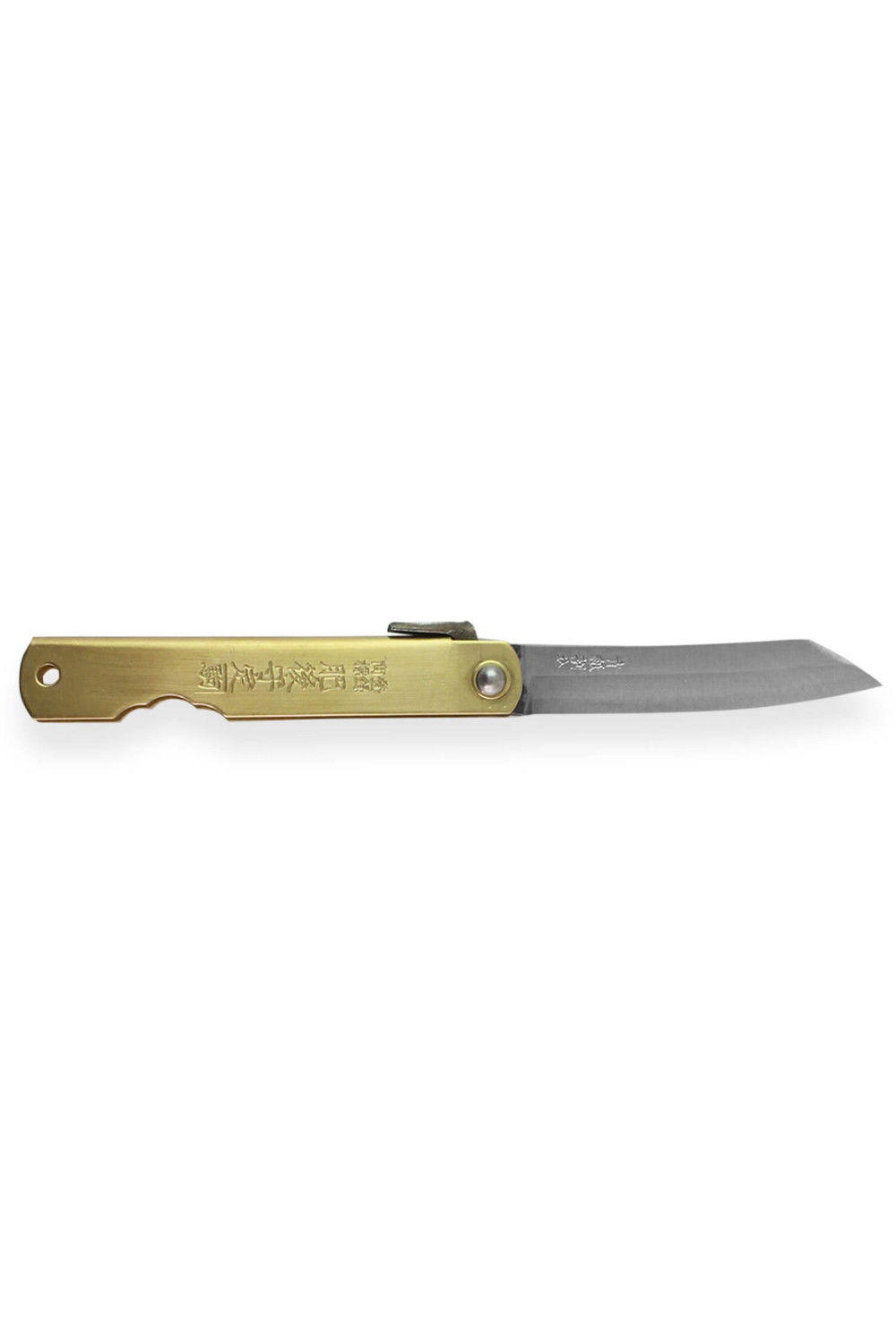
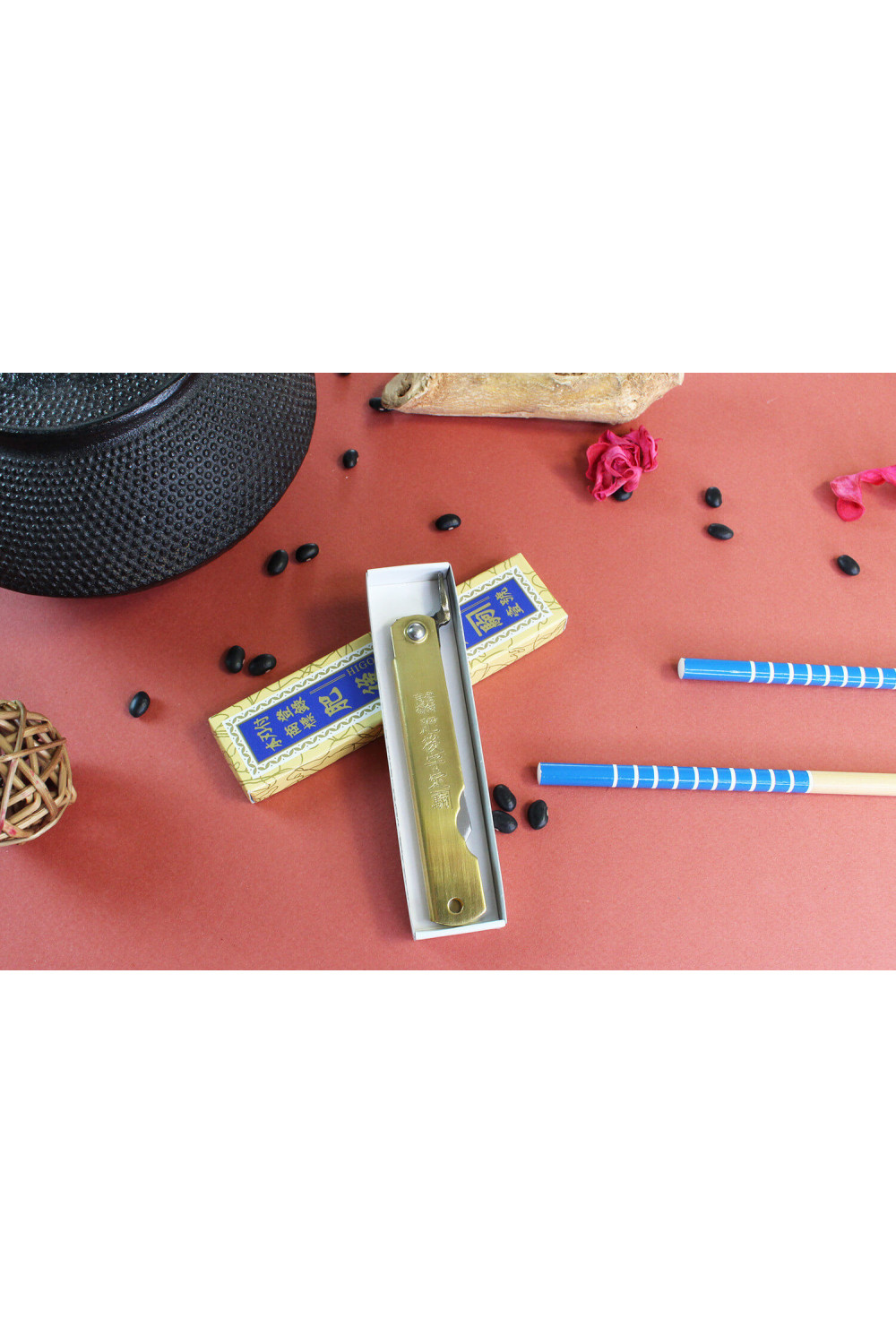
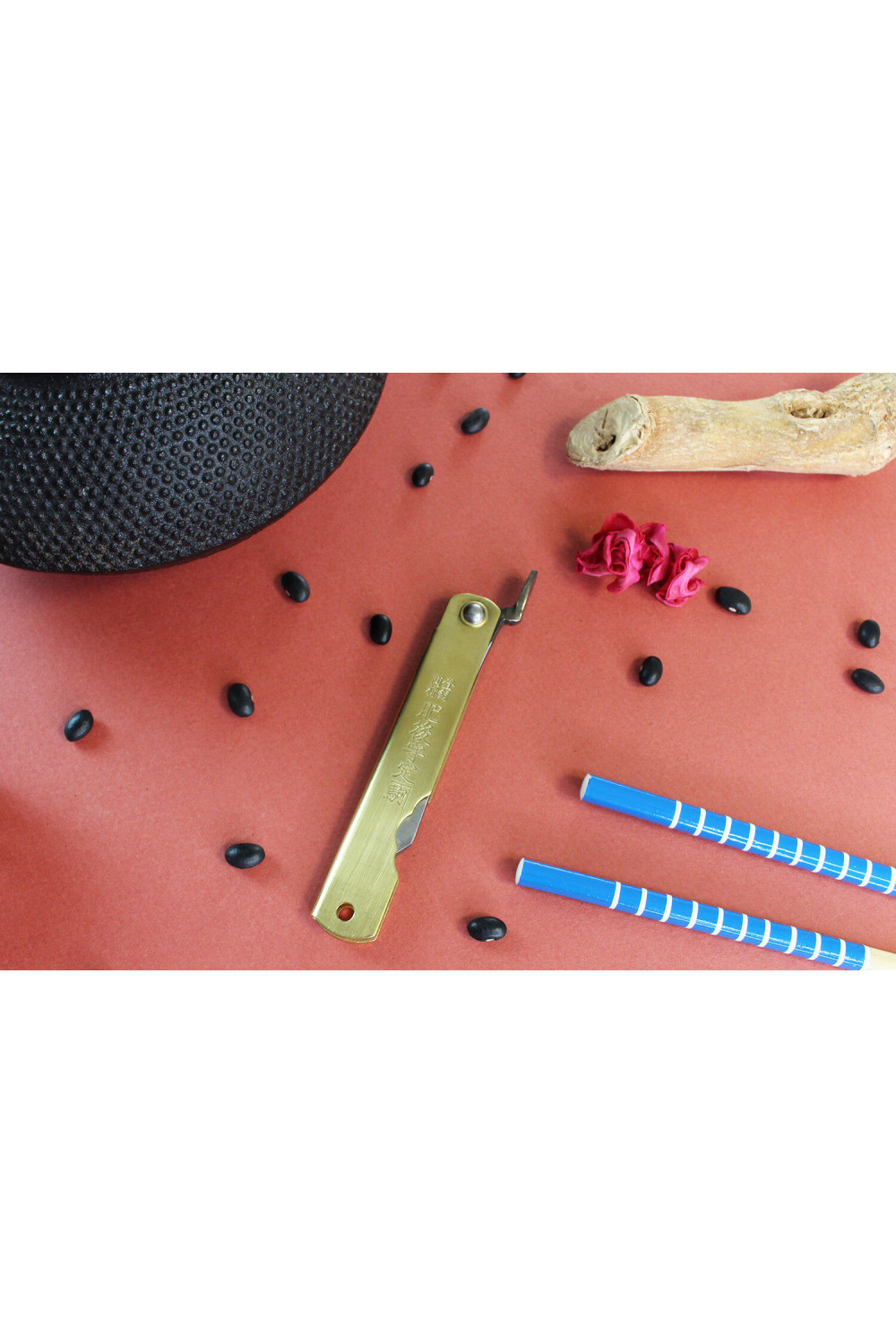
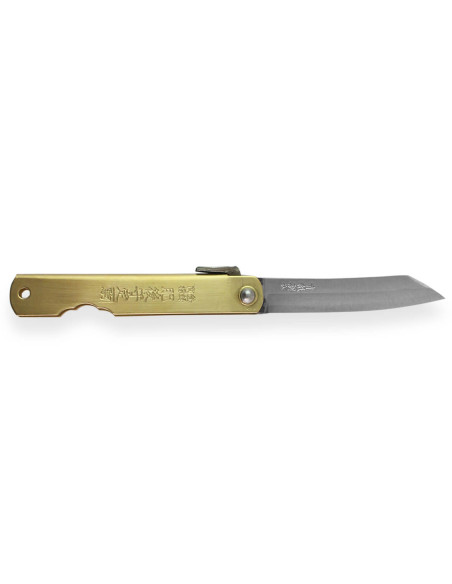
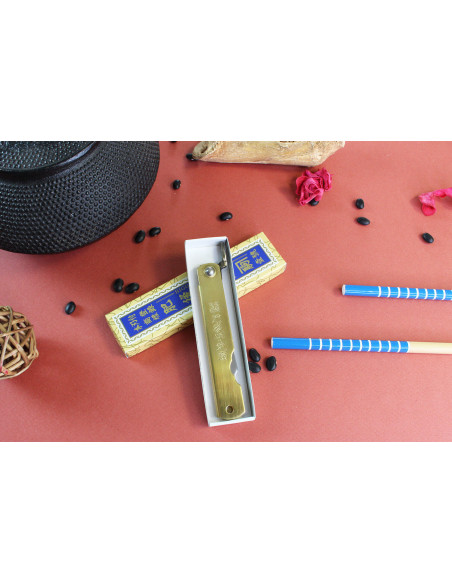
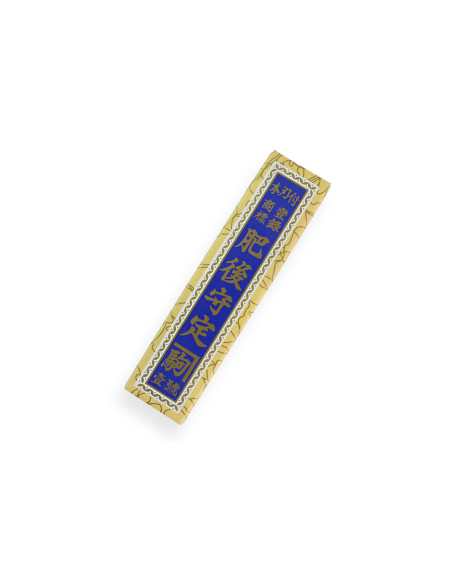
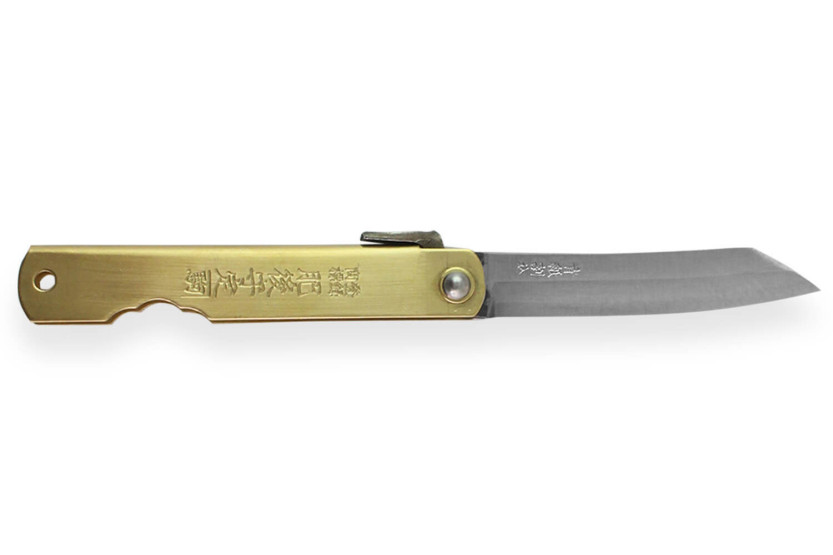
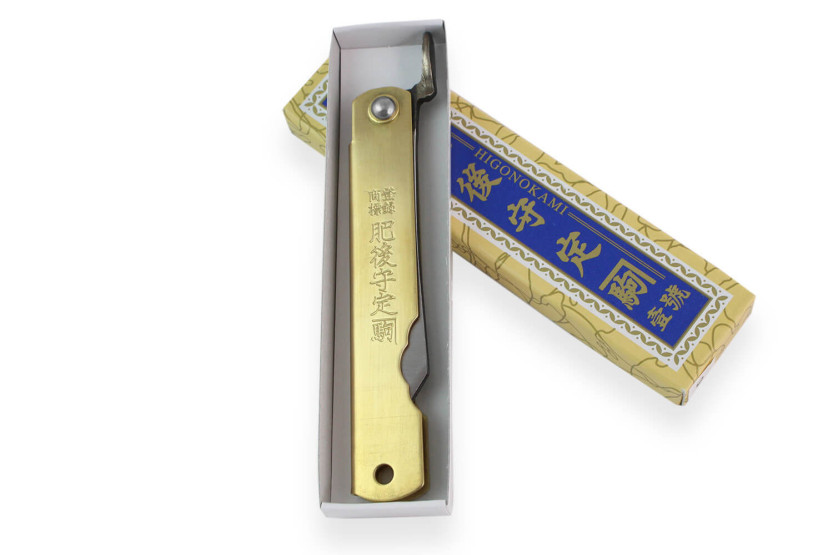
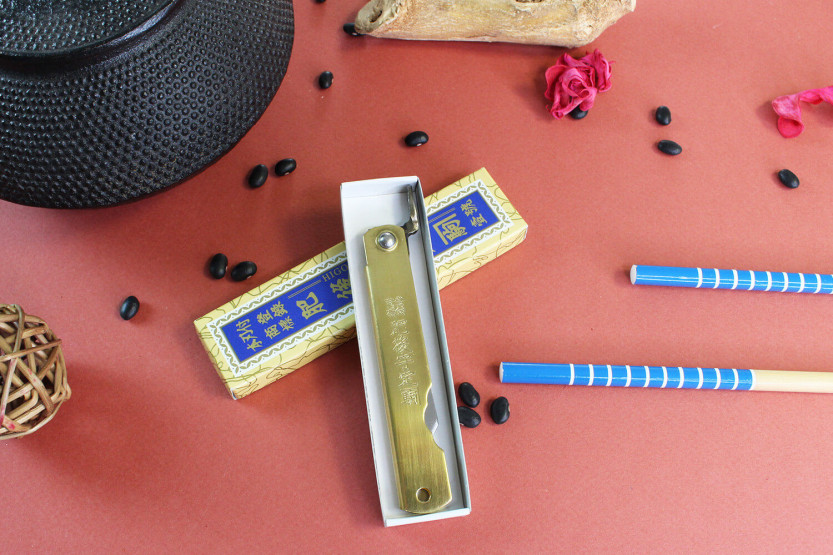
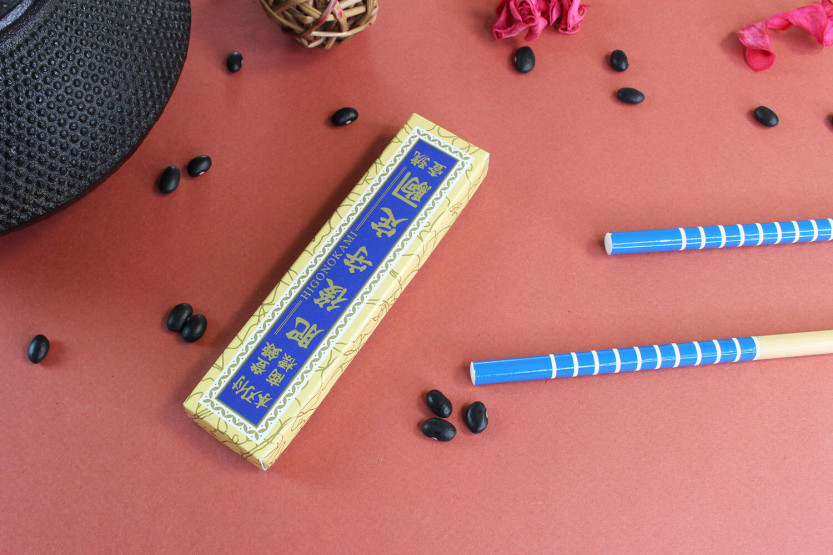
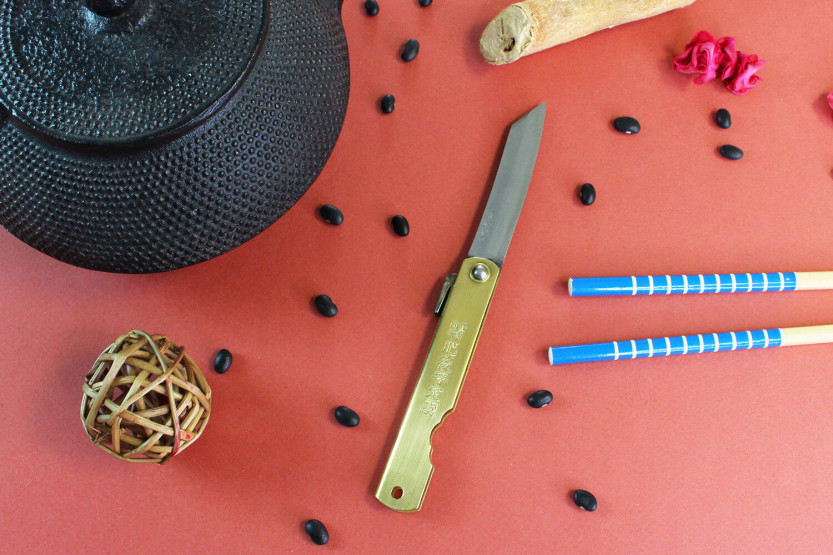
The Japaneseopinel has a name:Higonokami!
Making a San Mai blade: superimposing three sheets of steel
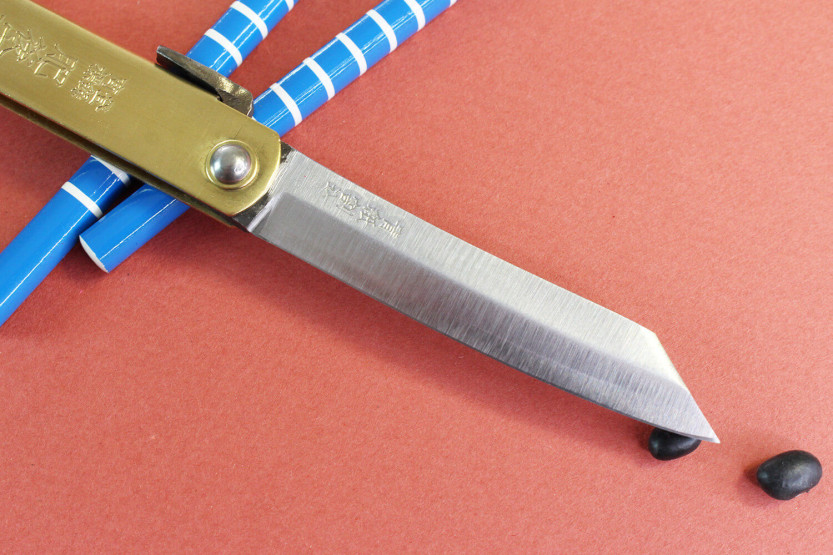
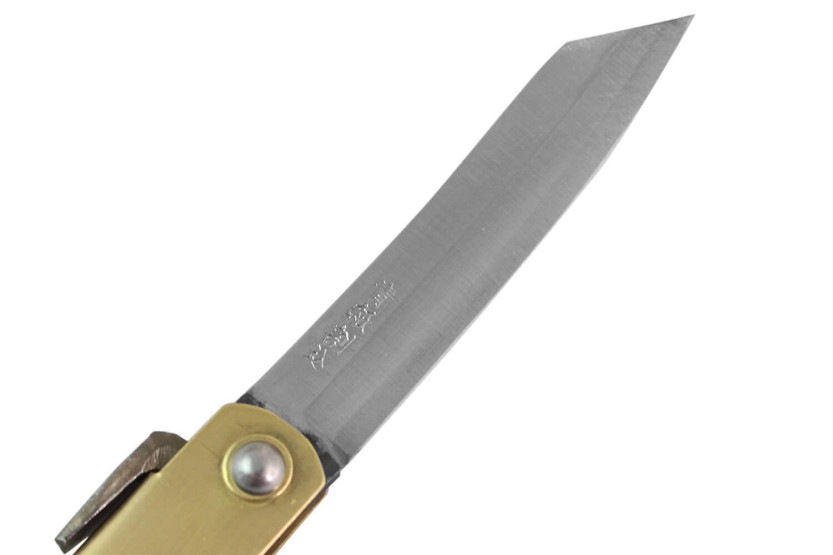
Forged blade - Super Blue Steel Core: long-lasting sharpness
No blade lock: Piedmont system
Brass handle: good resistance to oxidation
Authentic Japanese production
Careful maintenance required - see below


You might also like
The Kanetsune brand has been developing its expertise in traditional Japanese knives since 1964 in Seki City, a renowned cutlery town in the Land of the Rising Sun.
Kanetsune offers a wide range of the famous Higonokami pocket knives, which reached their peak of popularity in the 60s, mainly among students who used them for their daily snacks.
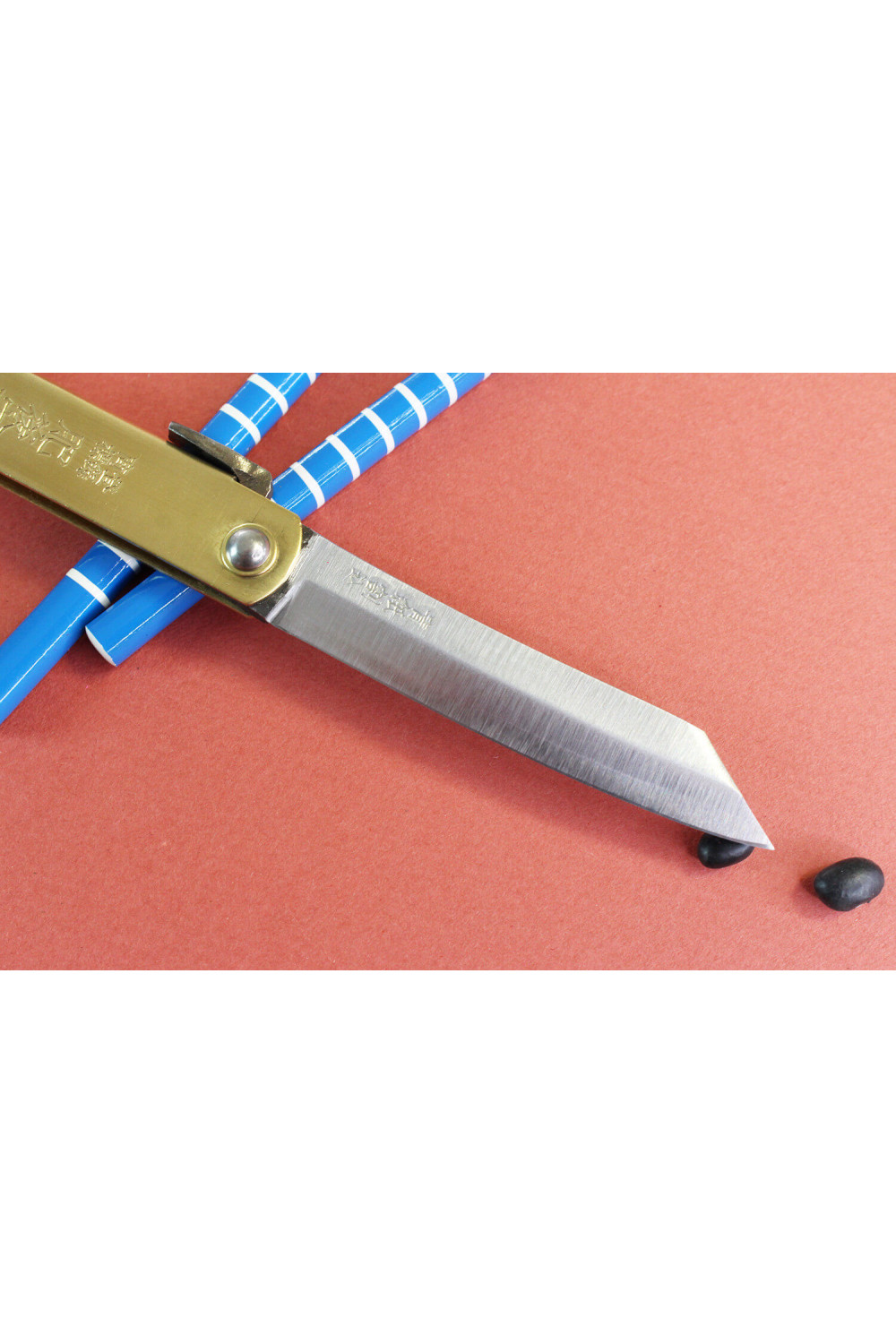
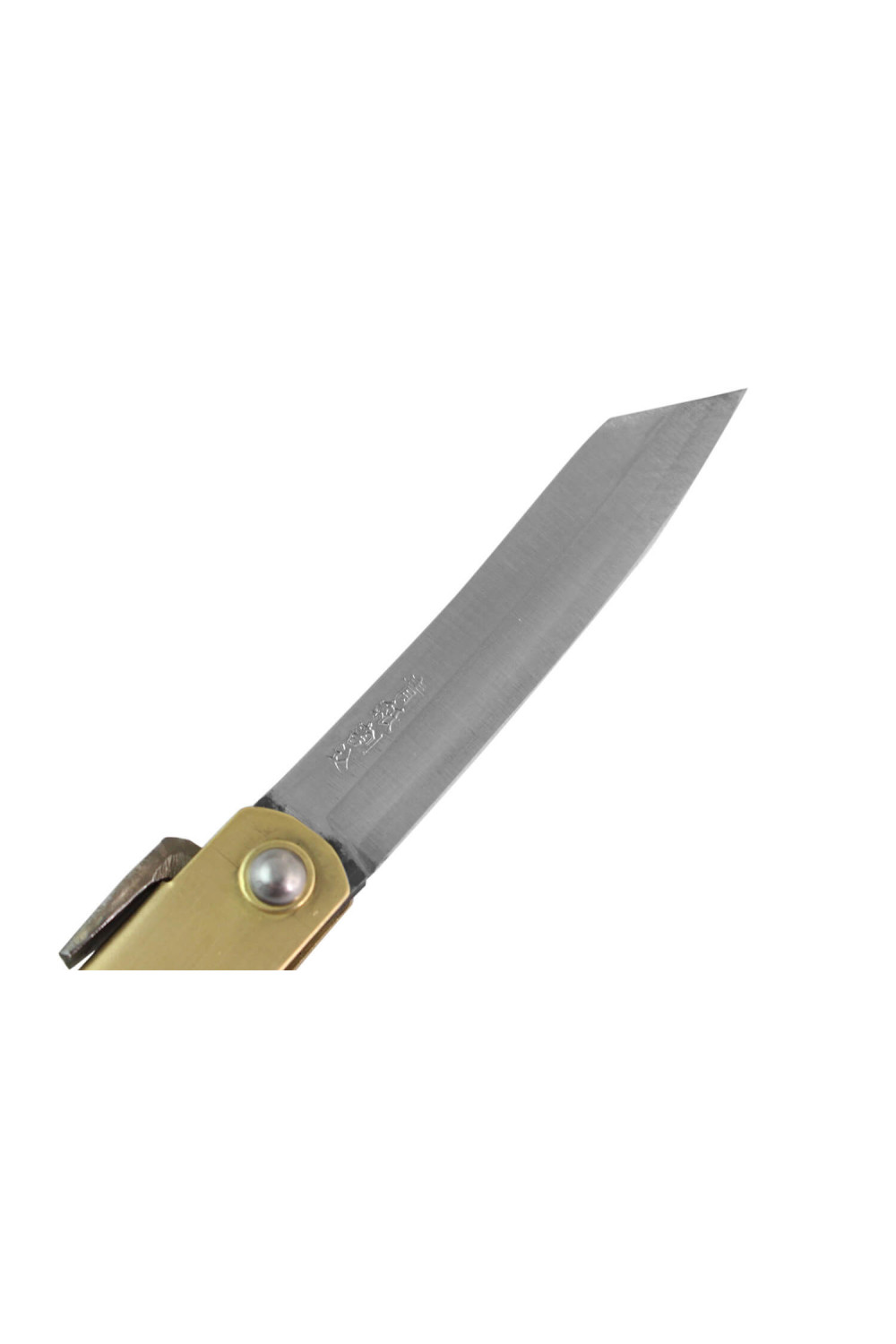
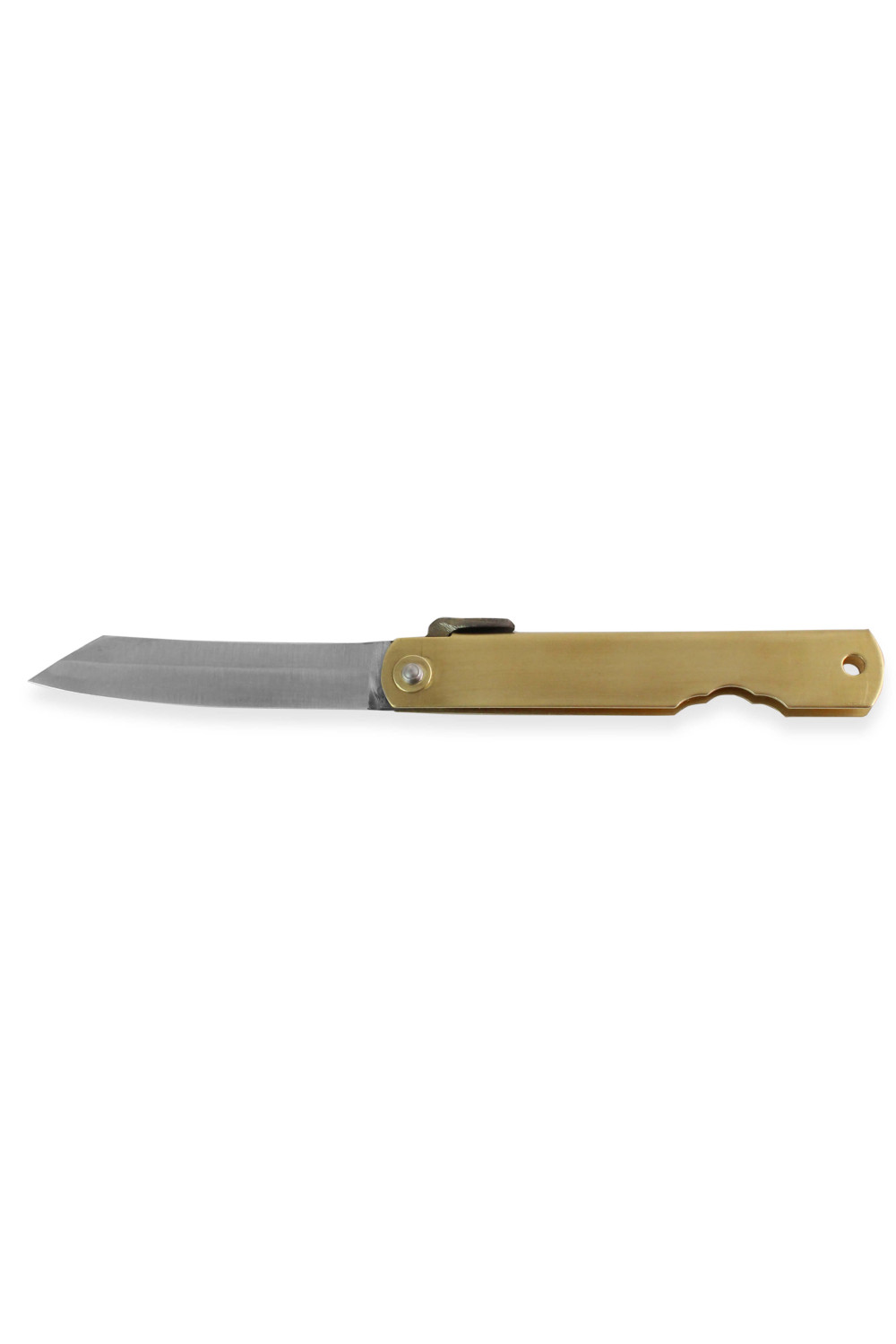
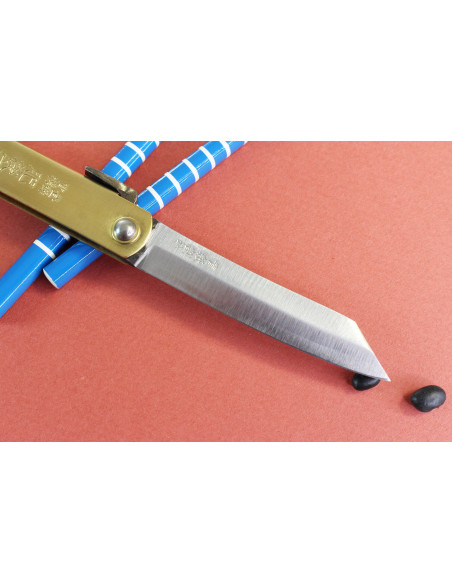
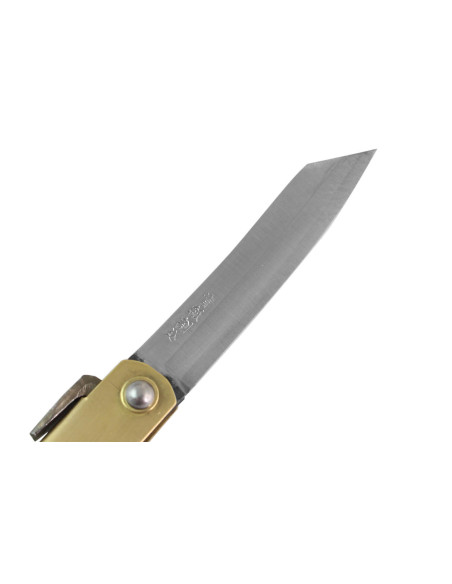
The blade is formed using the famous San Mai technique, which Japanese blacksmiths used to shape the blades carried by the famous Samurai. The forging principle is ingenious: the steel used to create the central sheet, known as the core, is Super Blue Steel Core, one of Japan's finest carbon alloys with excellent hardness and edge retention. The other two sheets enveloping the core are made from a softer steel, to ensure that the finished blade is not brittle and is more resistant to corrosion.
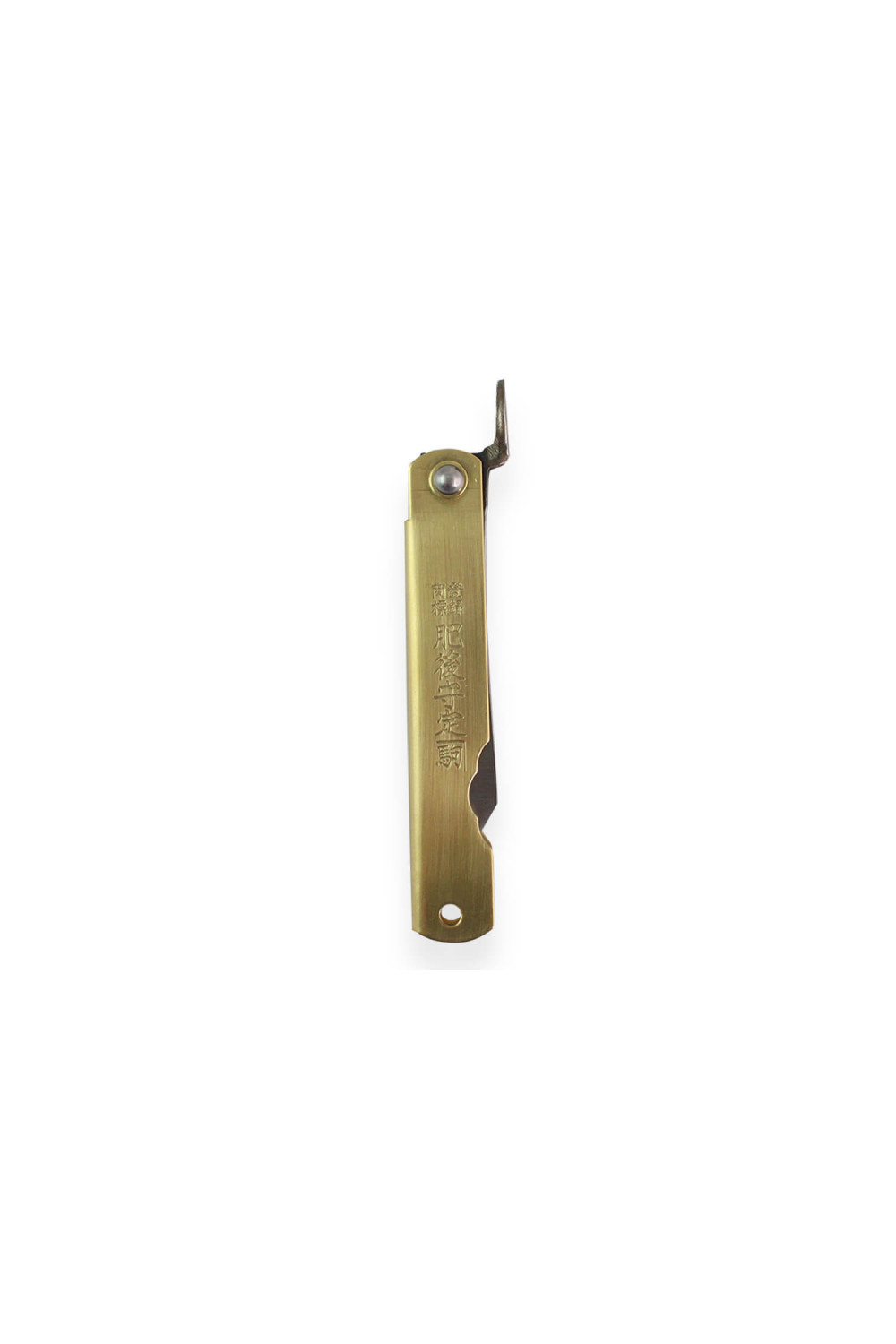
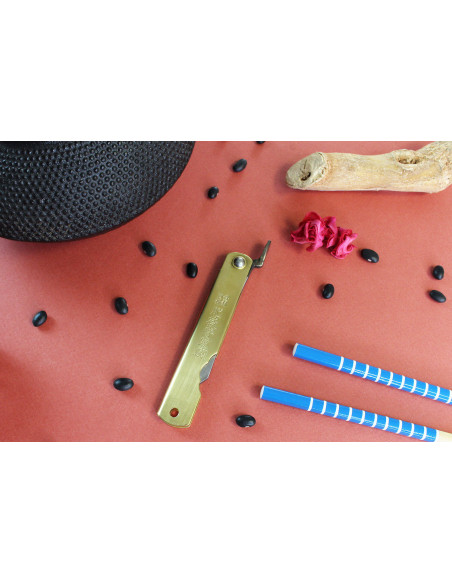
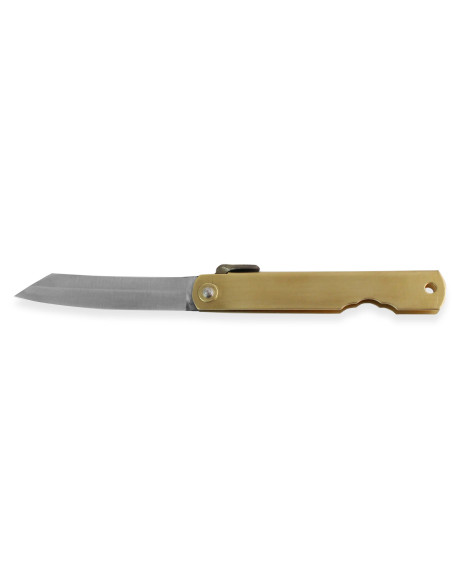
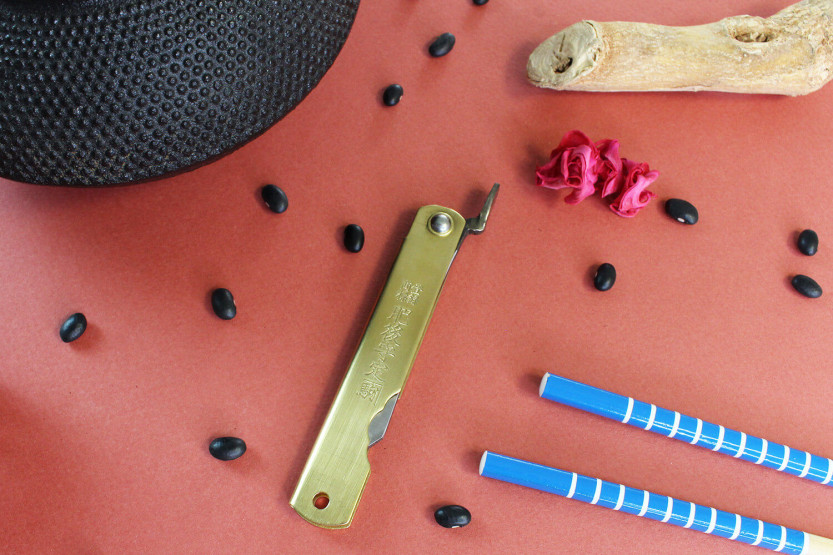
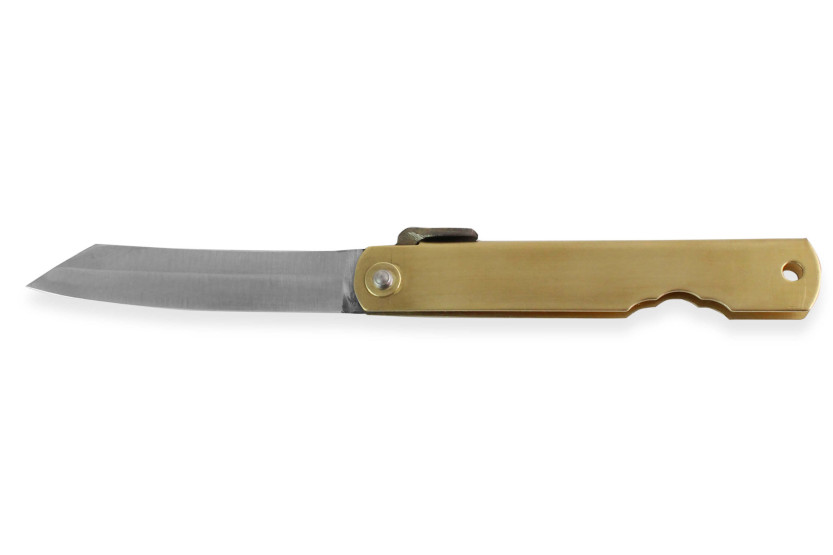
This little folding knife deploys easily thanks to the"chikiri", a lever located at the end of the blade. This system is the Japanese brother of the historic Piedmont knife. There are no locks here, as simplicity and ease of use are the watchwords of theHigonokami.
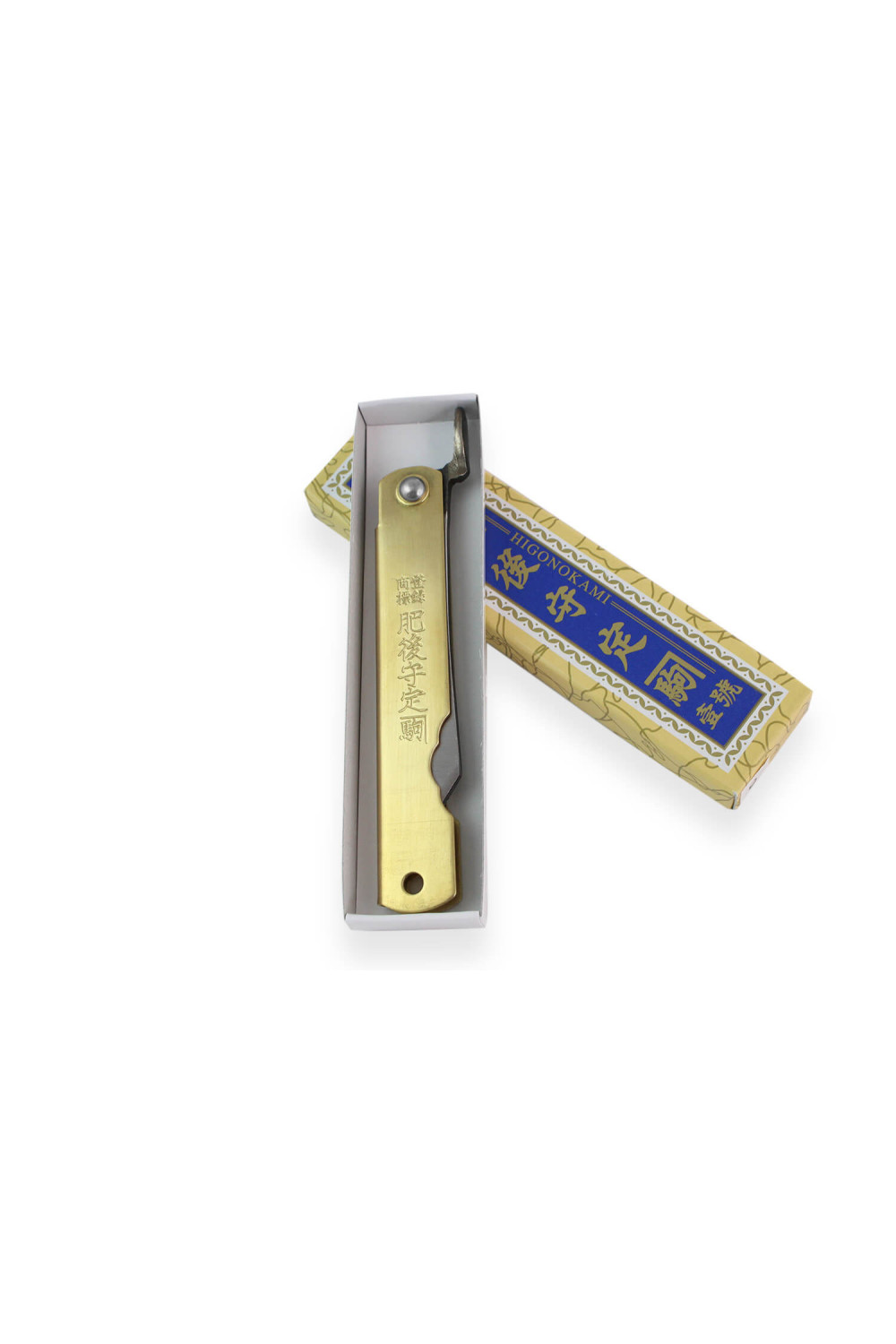
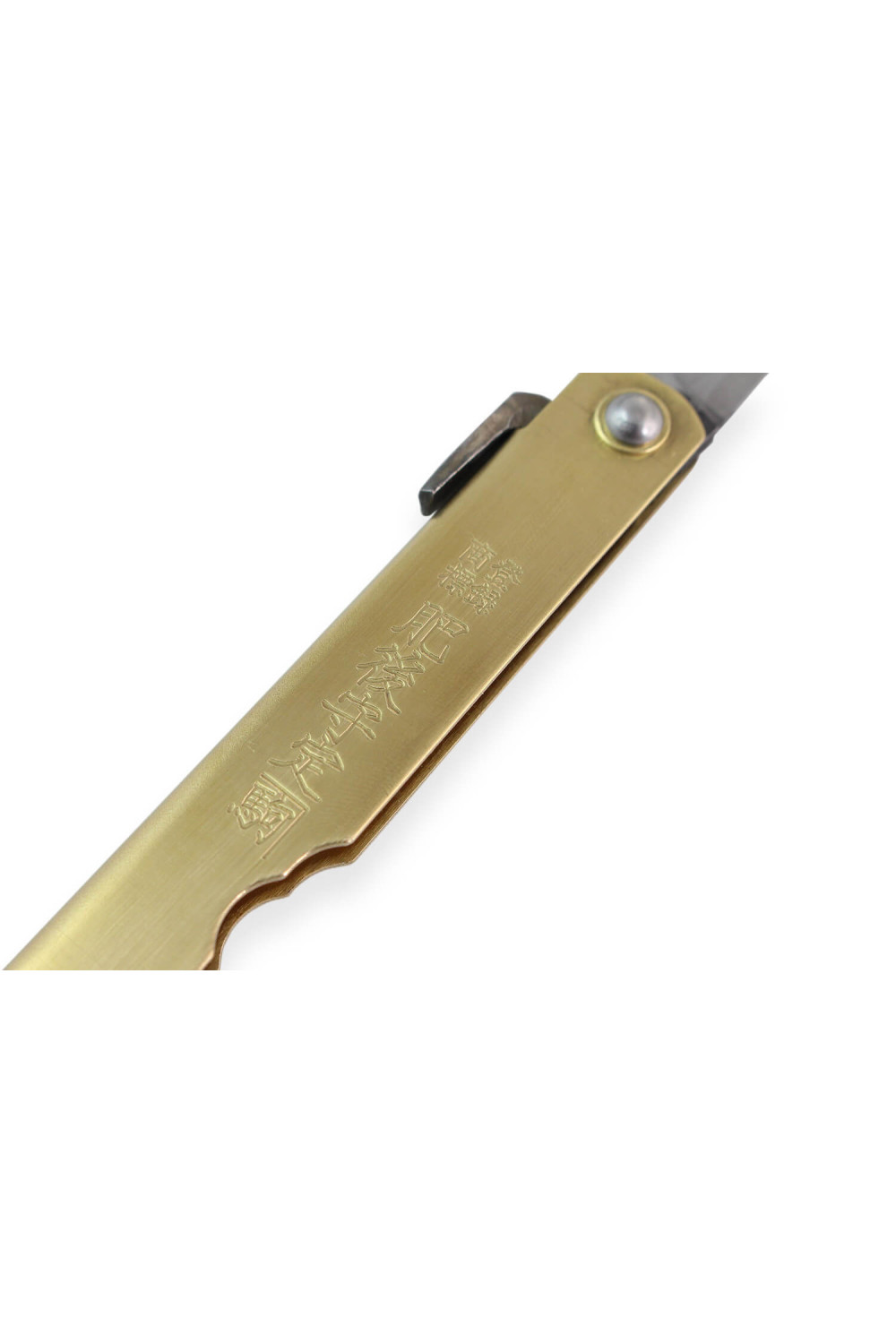
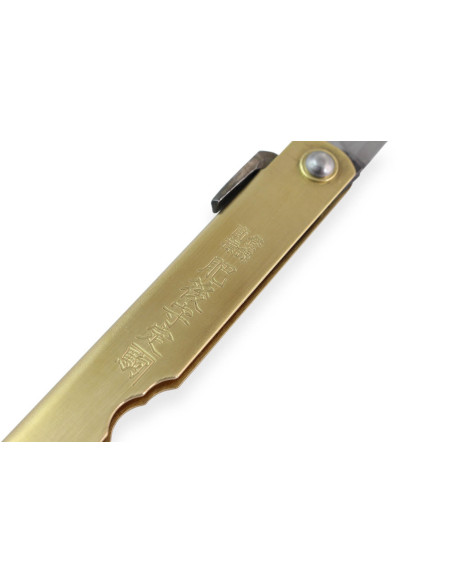
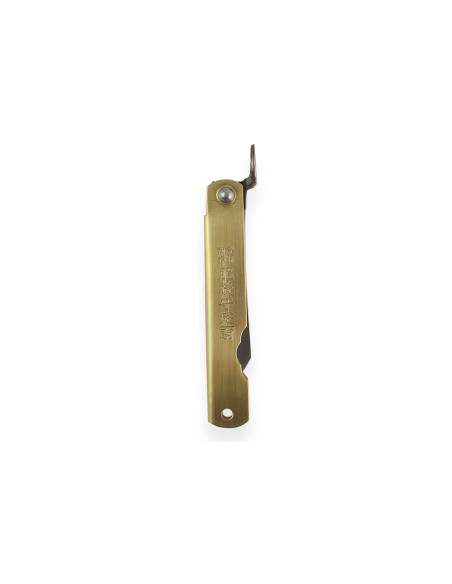
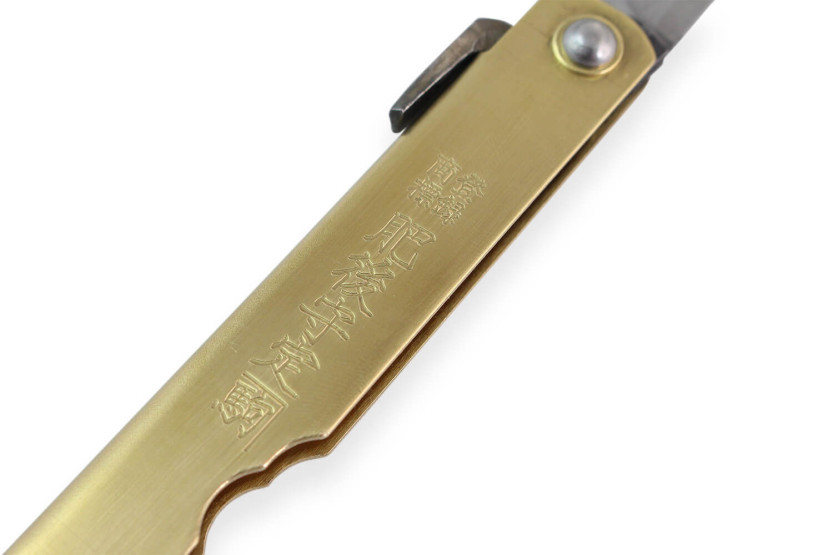
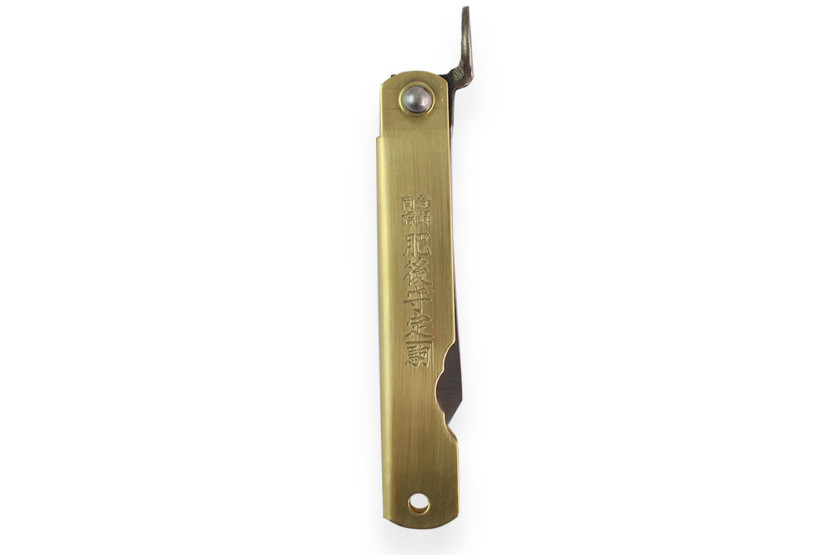
The handle is made exclusively of brass, a golden-yellow alloy of copper and zinc that is highly resistant to corrosion. The handle also features a useful eyelet for threading a lanyard so as not to lose it.
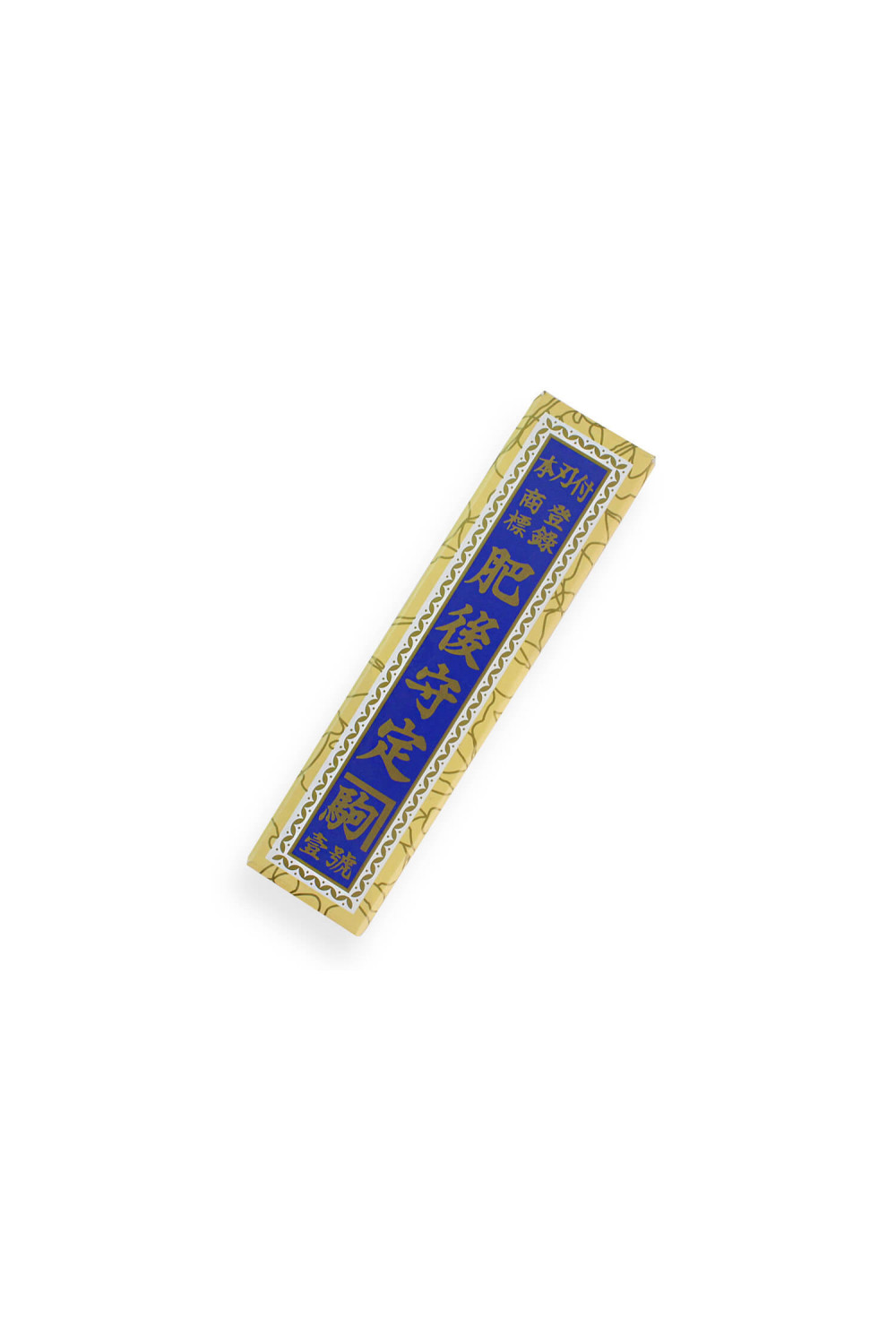
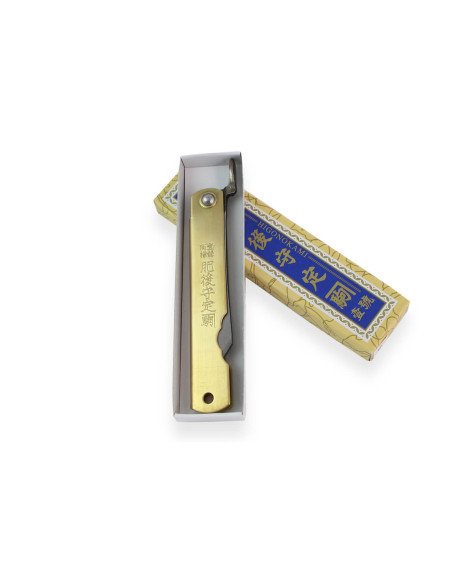
Last but not least, the Japanese writing engraved on the handle and blade are sure to catch your eye.
As carbon is oxidizable, the knife should be washed by hand and wiped directly with a soft cloth. Do not put it in the dishwasher or soak it. It's important to note that, despite careful care, a carbon knife may change color slightly over time - this is perfectly normal.
Discover our selection of Higonokami outdoor knives on Knifeleader.eu by following this link!
You might also like