Vässning och slipning

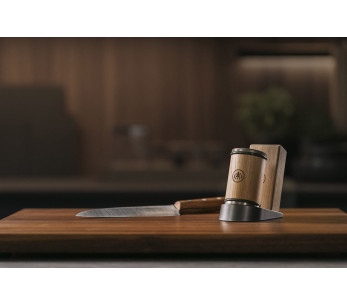
För att behålla skärpan på alla dina köksknivar, fällknivar eller något annat föremål med blad, som till exempel en yxa, måste du underhålla dem genom att slipa och/eller finslipa dem! För att göra detta finns det ett antal skärpningsverktyg till ditt förfogande, som vi ska förklara här! Men först och främst måste du känna till skillnaden mellan dessa två termer, även om deras mål är detsamma: att återställa dina knivar till sin ursprungliga skärpa!Skärpning är den dagliga operation som utförs på bladet när det börjar förlora sin effektivitet. Med tiden blir bladet mindre skarpt och mat som kött blir svårare att skära. För att bibehålla en bra skärpa glider man bladet jämnt längs hela längden på ett skärpningsgevär före varje skärning. skärpning utförs när en kniv är slö eller har utsatts för en mer eller mindre kraftig påverkan. Spetsen har förlorat sin skärpa och kräver ett mer precist och långvarigt arbete, men alltid med samma rörelse av skärpningsgeväret. På så sätt omformas den skadade spetsen och en ny egg skapas i kontinuitet med resten av bladet, så att din kniv blir så gott som ny igen! För ännu mer information, klicka här!

Filters (559 products)

Price

0,00 € - 900,00 €

Tillverkning

In stock

Prices drop

The different tools for sharpening your knives

There are 3 main categories of tools for sharpening the blades of the knives we present here.

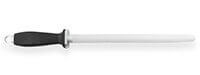
Sharpening steels

The sharpening steel consists of a metal rod called a wick, with a steel, ceramic or diamond coating, and a handle that is generally ergonomic. The steel wick is the most widely used for regular maintenance, restoring the blade's edge to its original condition. Ceramic knives have two types of grit: coarse and fine, to sharpen the edge of dull blades, whether smooth or serrated. Finally, there's the diamond rifle which, as its name suggests, contains very small, very hard diamond grit on a solid stainless steel bit with fine or normal granulation for optimum blade sharpening! The shape of the sharpening steel can be round, which is the most common, or oval or flat.

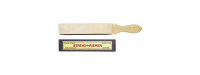
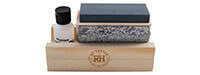
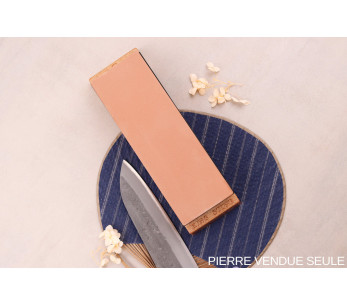
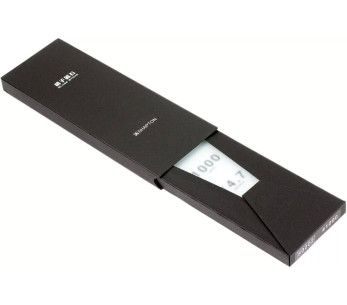
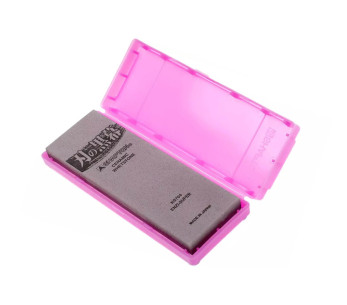
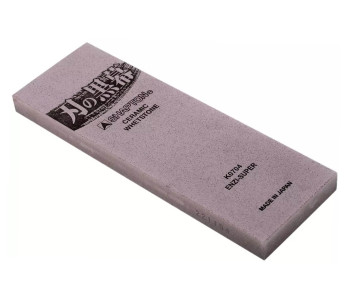
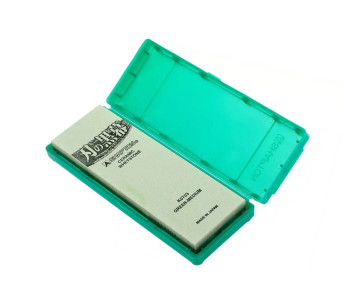
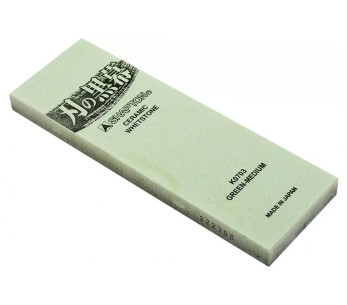
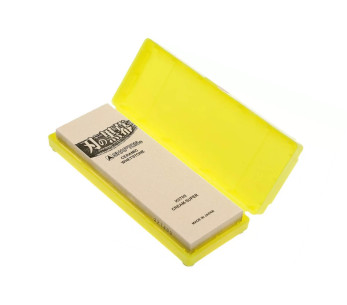
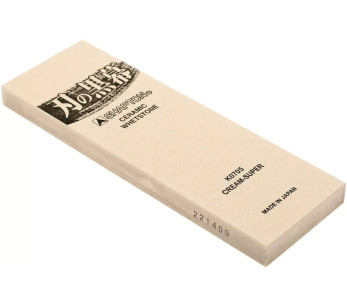
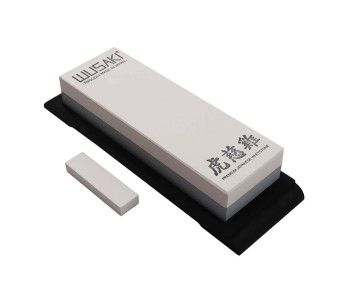
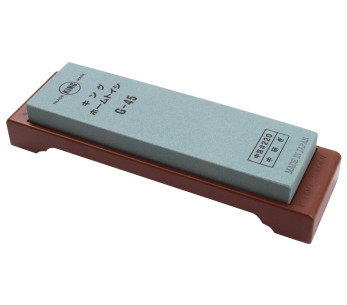
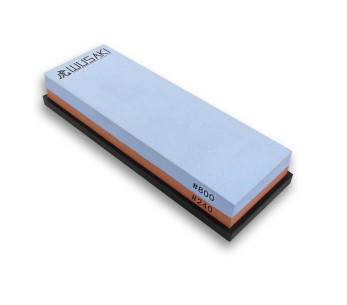
Sharpening stones

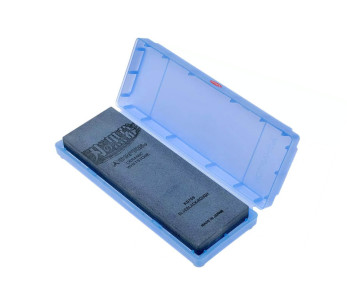
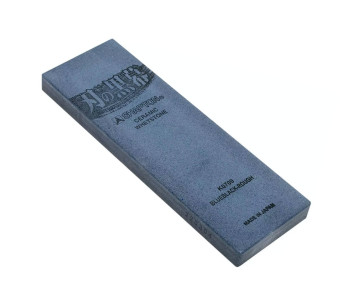
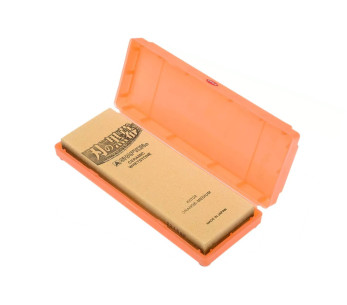
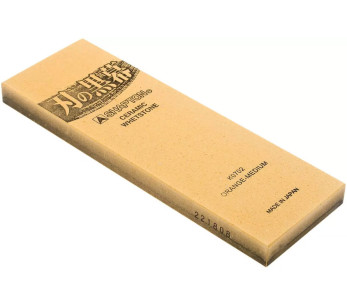
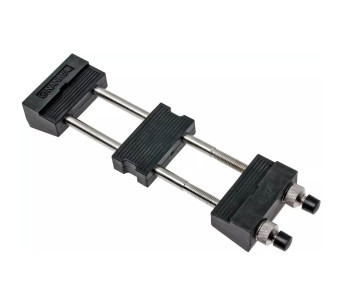
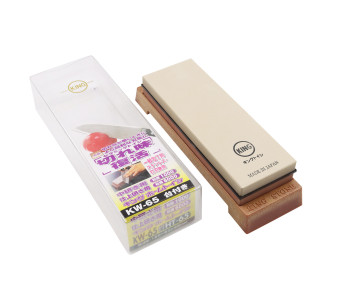
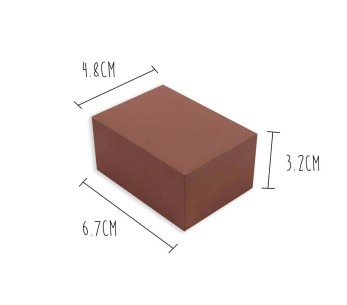
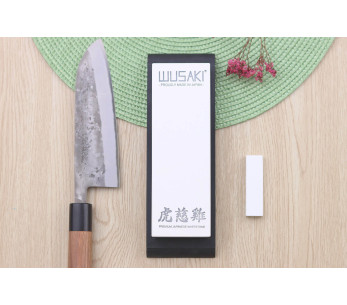
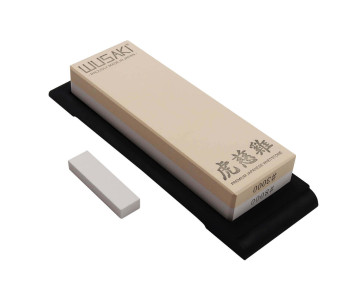
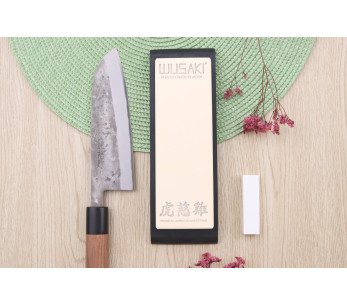
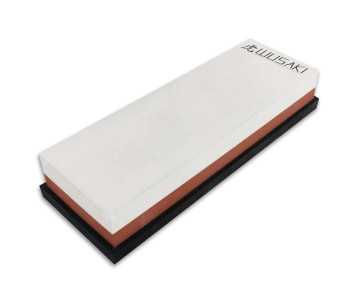
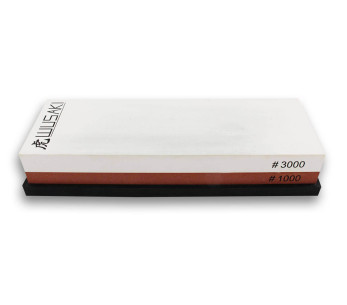
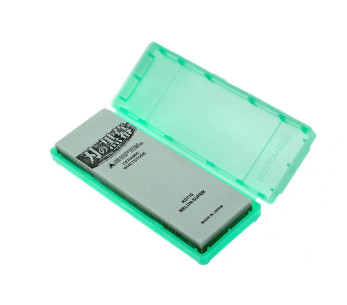
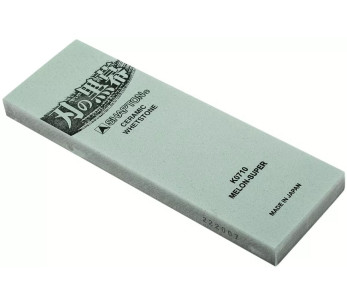
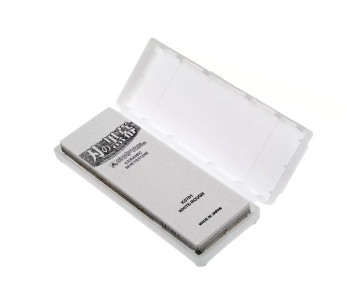
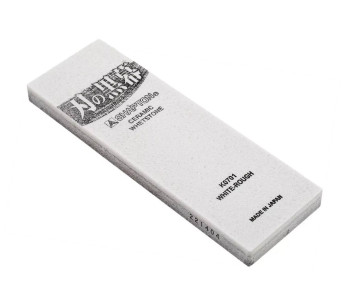
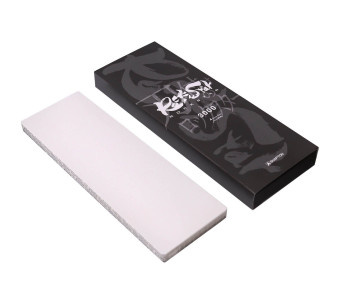
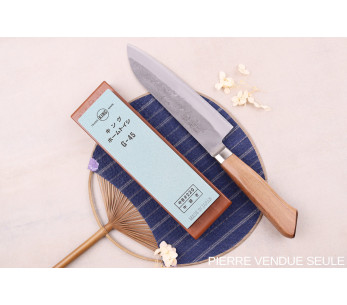
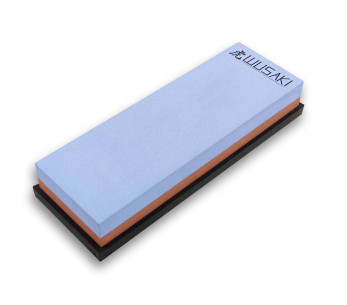
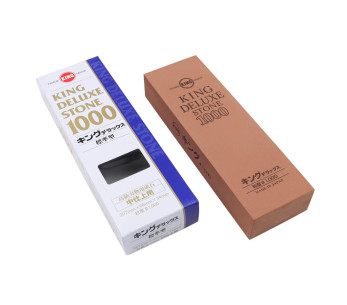
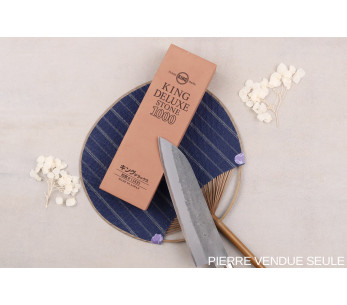
A Sharpening stone, also known as a sharpening stone, is a stone of natural or unnatural origin designed to restore the sharpness of your knife blade by rubbing it on one of its two faces. Sharpening stones are made from different materials, such as corundum powder, a very hard composite material suitable for knives with a high HRC, which defines the hardness of the blade. There are also natural stones, usually quarried, such as Arkansas stone, the most widely used in the cutlery world. Depending on the hardness of your knives, there are sharpening stones with different grain sizes. The choice of grit depends on the HRC level of your knife. Generally speaking, if the HRC is low, it's easier to sharpen your knife, and if the HRC is high, it will be a little difficult to sharpen, but more durable over time.

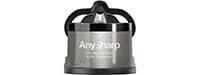
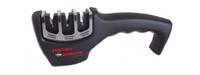
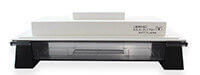
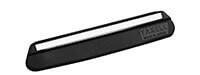
Manual or electric sharpeners

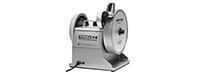
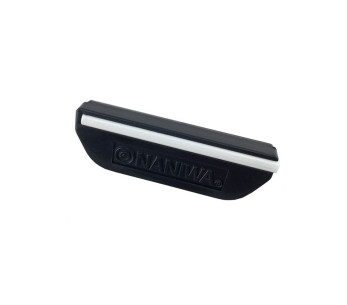
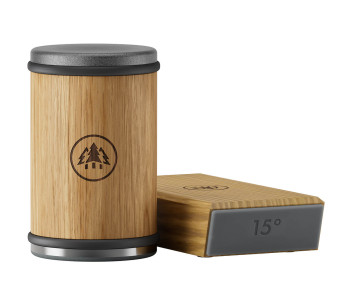
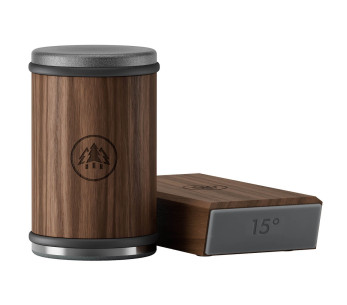
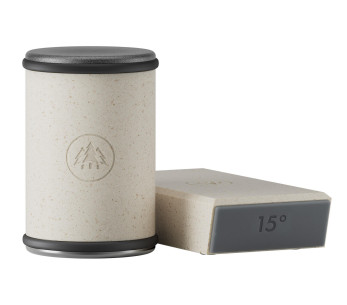
If you're an amateur or just not sure, choose a manual or electric sharpener! Sharpening your knives with a manual sharpener is easy and safer. All you have to do is insert the blade of your knife into the slot provided and run it through several times to obtain the desired result. The electric knife sharpener is even easier to use, as you simply insert the blade into the slot and it does the work for you! In both cases, the manual knife sharpener and the electric knife sharpener are generally compact, allowing you to store them easily in your kitchen.

Knife blade maintenance

Maintaining the blade of your knives is just as important as sharpening them. Although most stainless steel knives are dishwasher-safe, for knife enthusiasts we recommend that you do so only occasionally. In fact, it's best to clean with water or, better still, a damp cloth, then wipe with a soft, dry cloth. Then there are specific products forblade maintenance, especially for carbon blades which cannot be washed at all to avoid corrosion, such as oils, polishing pastes and also skins and microfiber cloths.

Produkt tillagd i önskelistan